
Dr. Mohamed Rabie
Urology and Urological Endoscopy Specialist.
Contact
Available NowIsmailia Governorate – 81 Shibin El-Kom Street, 2nd Floor, in front of Monginis Isma, , Ismailia
LocationOverview
Dr. Mohamed Rabie, a specialist in urological surgery and endoscopy, as well as andrology and sexual dysfunction, in Ismailia. He provides specialized treatment for prostate conditions, kidney and urinary tract stones, erectile dysfunction, male infertility, and urinary tract infections, using advanced diagnostic equipment and medical endoscopy techniques. His clinic is equipped with modern technologies and provides comprehensive medical care, accurate diagnosis, complete privacy, and continuous follow-up to support patients throughout their treatment journey in Ismailia.
Description
Dr. Mohamed Rabie – Specialist in Urology Surgery & Endoscopy
Advanced medical expertise in treating all urological and andrological conditions with the latest techniques
Dr. Mohamed Rabie provides specialized services in urology surgery, endoscopy, andrology, and sexual dysfunction, starting from the diagnosis and treatment of prostate diseases and urinary tract infections, through the treatment of stones and strictures, to the treatment of infertility and sexual dysfunction using the latest medical devices, with a treatment plan tailored to each patient according to the latest international standards.
He is committed to providing comprehensive medical care that combines medical precision, attention to patient comfort, and continuous follow-up, building a relationship based on trust and professionalism to ensure the best therapeutic experience and the highest treatment success rates.
Why Choose Dr. Mohamed Rabie’s Clinic?
A clinic equipped with the latest devices with a professional conscience in every procedure
Medical Services Provided by Dr. Mohamed Rabie 🩺
Dr. Mohamed Rabie provides a comprehensive range of urology surgery, endoscopy, and andrology services using the latest diagnostic devices and therapeutic techniques, while ensuring a treatment plan tailored to each case to achieve the best results and maintain the patient’s health.
🩺 Important Medical Tips
Dr. Mohamed Rabie is keen on educating patients about the most important medical tips for maintaining urological and andrological health, and early detection of problems, to help maintain the patient’s health and prevent complications.
💧 Tips for Maintaining Urinary Tract Health
📌 Drink Sufficient Amounts of Water
Drinking at least 8 cups of water daily helps clean the urinary tract and prevent the formation of stones.
📌 Avoid Delaying Urination
Delaying urination for long periods increases the risk of infections and stone formation, so it is recommended to urinate as soon as the need is felt.
🩺 Dr. Mohamed Rabie recommends a periodic examination of the urinary tract and prostate every year even in the absence of clear symptoms.
⚠️ When Should You Visit a Urologist?
Do not wait until the problem worsens. The appearance of any of the following symptoms requires a visit to a urologist:
- ✔️ Pain or burning during urination.
- ✔️ Unusually frequent urination.
- ✔️ Presence of blood in the urine.
- ✔️ Pain in the lower back or side.
- ✔️ Sudden or persistent sexual dysfunction.
🏥 The Importance of Early Diagnosis
Dr. Mohamed Rabie emphasizes that early diagnosis is the key factor in the successful treatment of many urological and andrological problems.
🩺 Why Choose Dr. Mohamed Rabie’s Clinic?
The clinic is distinguished by a set of strengths that made it one of the leading urology clinics in Ismailia:
- A clinic equipped with the latest endoscopy and medical diagnostic devices.
- Using 100% approved therapeutic protocols in all procedures.
- Professional conscience in every procedure and great care for every patient.
- High-quality work with impressive results.
- Competitive prices with excellent service.
- Complete privacy and absolute confidentiality for all cases.
🌟 Our Vision
To be one of the leading urology and andrology clinics in Ismailia by providing specialized medical care based on the latest global techniques, while adhering to the highest standards of quality and precision, to help our patients enjoy good health and a more confident life.
📍 Address & Contact Information
You can contact Dr. Mohamed Rabie’s clinic through the following means of communication or visit the clinic during official working hours.
📍 Address
Ismailia Governorate
81 Shebin El-Kom Street
Second Floor
In front of Mongini
Ismailia
📞 Phone / WhatsApp
🕒 Working Hours
Contact Dr. Mohamed Rabie and Book Your Appointment
Dr. Mohamed Rabie is happy to receive all your inquiries and provide the best services in urology surgery, endoscopy, and andrology, while providing a professional medical experience and comprehensive care for all patients during official working hours.
📞 For Contact, Booking & Consultations
🕒 Working Hours
Daily: 7:00 PM – 11:00 PM
Friday: Closed

News & Articles
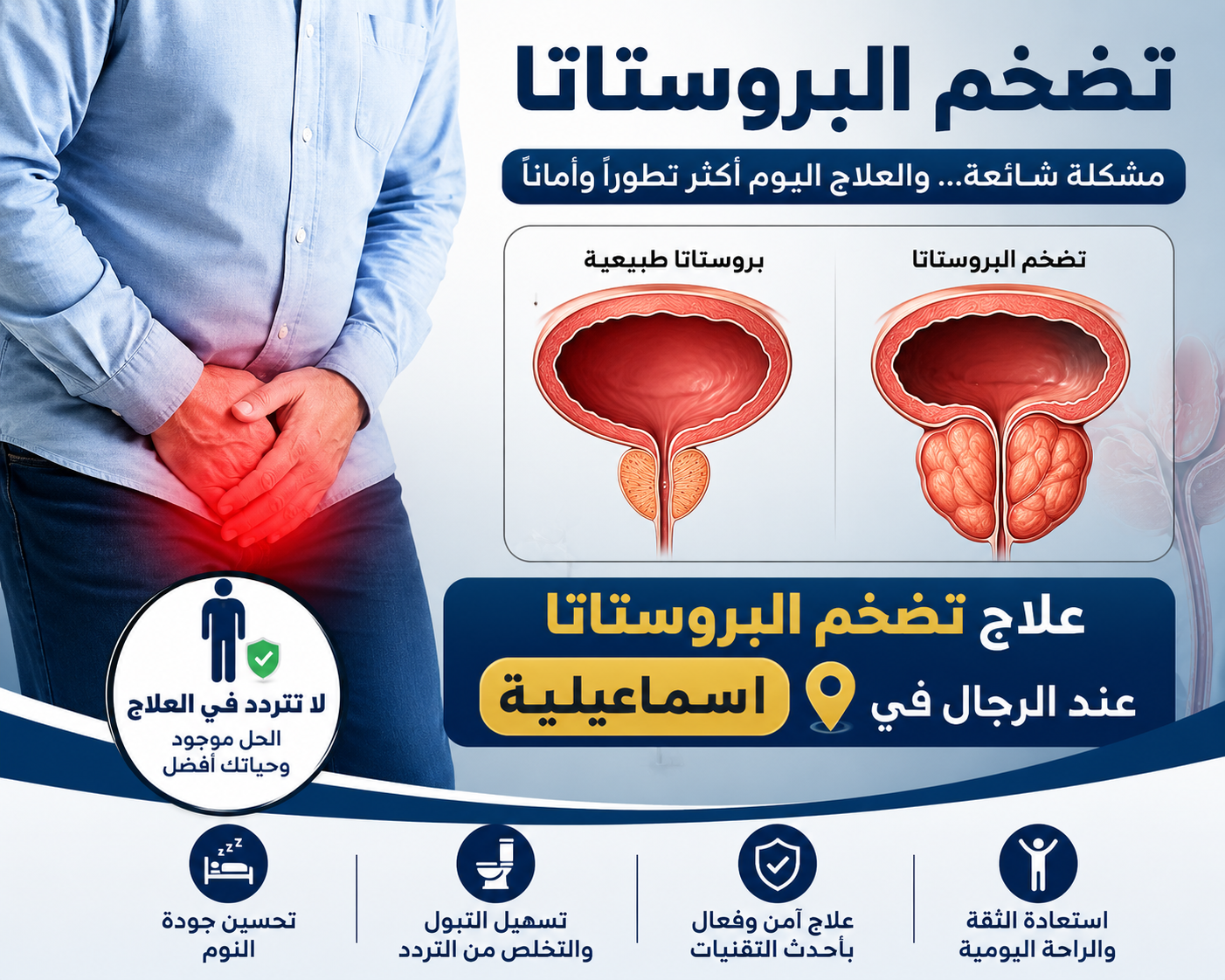
Enlarged prostate is a common condition affecting men as they age, causing urinary symptoms such as frequent urination and difficulty urinating. Learn about its causes, symptoms, and treatment options with Dr. Mohamed Rabie, Urology & Endoscopic Surgery Specialist in Ismailia.
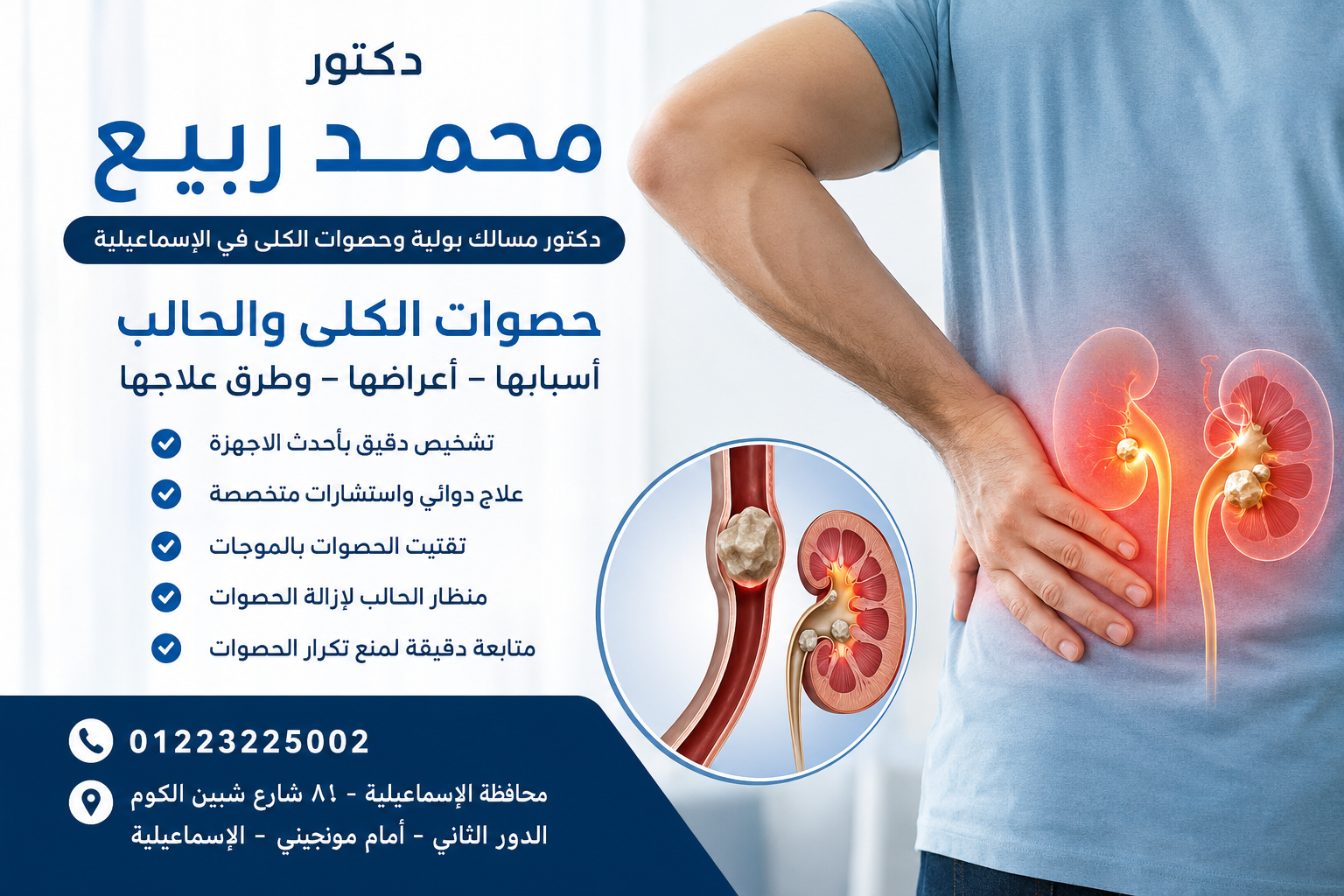
Learn about the symptoms, diagnosis, and treatment options for kidney and ureter stones with Dr. Mohamed Rabie, a urologist and kidney stone specialist in Ismailia. Book your appointment now.
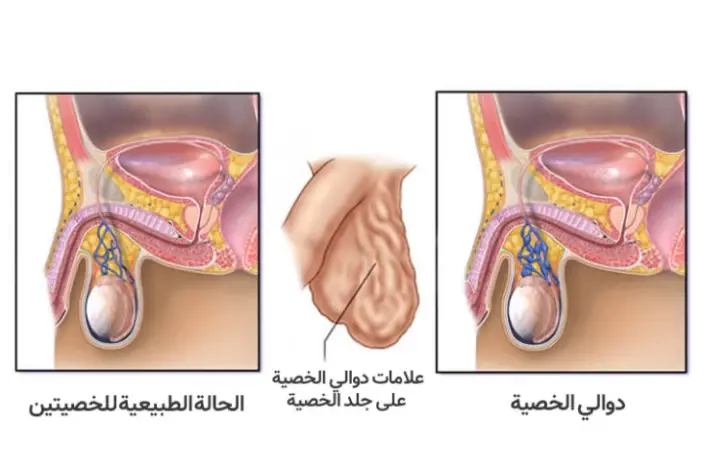
Learn about varicocele, its symptoms and causes, its possible effect on fertility, and when treatment may be needed, with contact information for Dr. Mohamed Rabie in Ismailia.
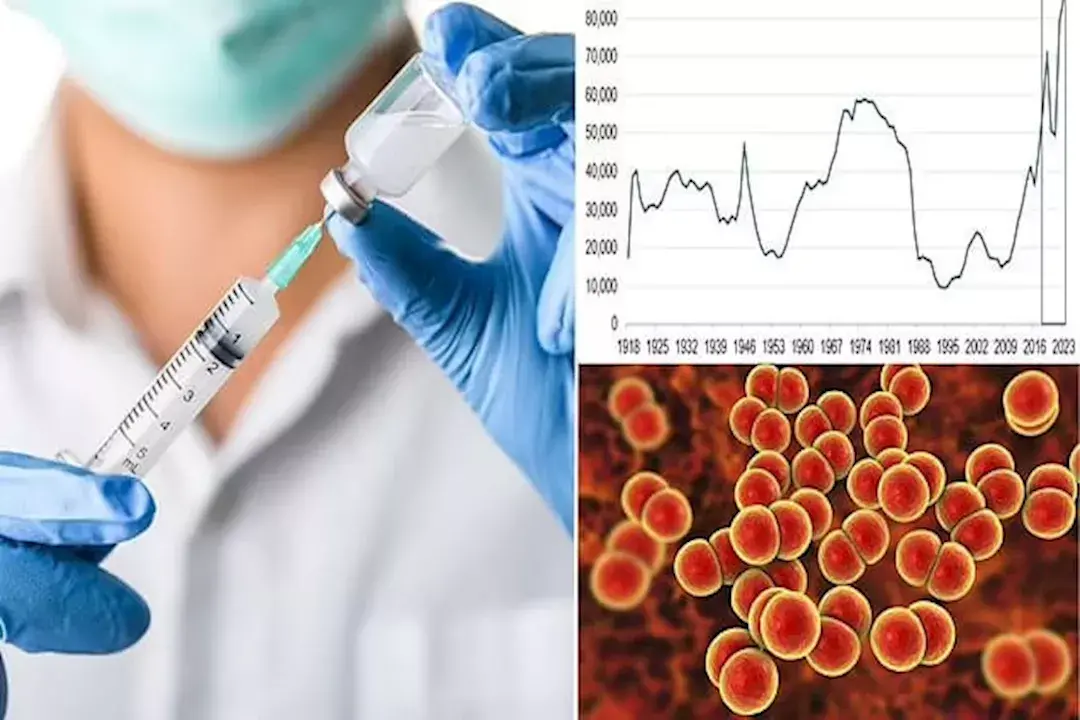
Learn about sexually transmitted infections, their common types, symptoms, methods of transmission, diagnosis, management, and prevention with Dr. Mohamed Rabea in Ismailia.

Prostatitis can cause pelvic pain, burning during urination, frequent urination, and other urinary symptoms. Learn about the symptoms, causes, diagnosis, and treatment of prostatitis with Dr. Mohamed Rabie, a specialist in urology, urological endoscopy, and andrology.
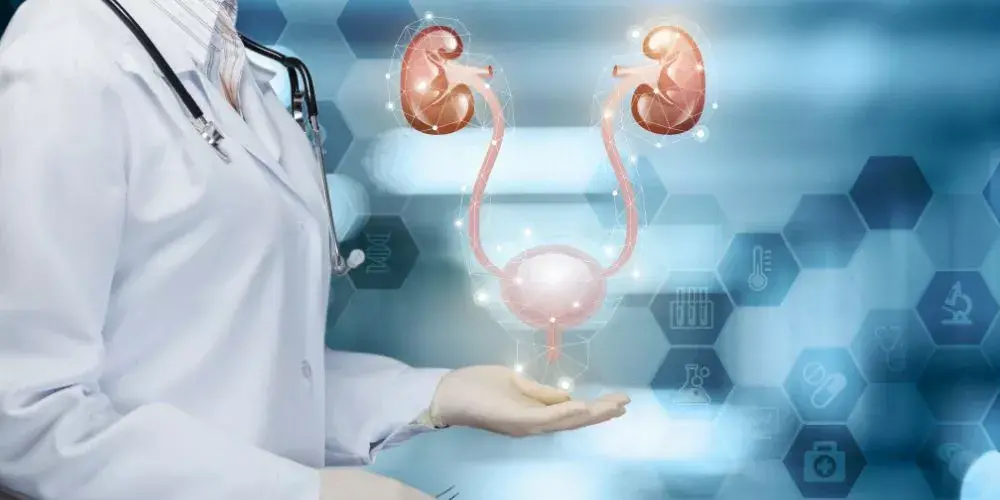
Urinary incontinence can affect children and adults and may have different causes. Discover the symptoms, diagnosis and treatment options for urinary incontinence and bedwetting with Dr. Mohamed Rabie in Ismailia
Dr. Mohamed Rabie is a specialist in urology and urological endoscopy, andrology, and erectile dysfunction in Ismailia. He provides specialized services for diagnosing and treating urinary tract conditions, prostate problems, kidney and urinary tract stones, urinary tract infections, as well as erectile dysfunction, male infertility, and delayed conception.
Dr. Mohamed Rabie provides a comprehensive range of urology and andrology services, including:
-
Urological surgery.
-
Urological endoscopy.
-
Treatment of prostate conditions.
-
Treatment of kidney, ureter, and bladder stones.
-
Treatment of urinary tract infections.
-
Treatment of urinary tract strictures.
-
Treatment of erectile dysfunction.
-
Treatment of premature ejaculation.
-
Treatment of male infertility and delayed conception.
-
Regular urological examinations and follow-up.
Stone treatment depends on their size, location, number, and the patient’s condition. Treatment may include monitoring and medications in some cases, or endoscopic intervention when necessary. Dr. Mohamed Rabie provides endoscopic and laser stone fragmentation and removal procedures, which can help treat many cases without the need for open surgery.
A patient may need a urological endoscopy to diagnose or treat certain conditions, such as urinary tract stones, some bladder problems, urinary tract strictures, or certain cases of blood in the urine. The doctor determines whether an endoscopic procedure is needed after evaluating the symptoms and performing the necessary tests.
The evaluation of delayed conception in men begins with reviewing the patient’s medical history and conducting appropriate tests. This may include a semen analysis and other examinations depending on the individual case, with the aim of identifying the causes of reduced fertility and developing a treatment plan that meets the patient’s needs.
Symptoms that may require a consultation with a urologist include burning during urination, frequent urination, painful urination, blood in the urine, lower abdominal or back pain, or recurrent urinary tract infections. Proper diagnosis helps identify the cause of the infection and determine the appropriate treatment.
A visit to a urologist is recommended when persistent or unusual symptoms occur, such as difficulty urinating or a weak urine stream, frequent urination, burning during urination, blood in the urine, kidney or lower back pain, erectile dysfunction, or delayed conception. Early evaluation can help identify the cause and begin appropriate treatment before the condition progresses.
Urological surgery is a medical specialty that deals with diseases and issues affecting the urinary system (kidneys, bladder, ureters, urethra) and male reproductive organs (such as the prostate, testes, and vas deferens). This specialty includes a wide range of surgical procedures to treat various problems, such as:
- Kidney stone treatment: Using traditional or advanced surgical techniques such as stone fragmentation with lasers or shock waves.
- Treatment of chronic urinary tract infections: Such as pelvic or bladder infections.
- Correction of congenital defects: Like dilation or defects in the ureters or urethra.
- Prostate tumor removal: Whether malignant or due to benign prostate enlargement.
- Surgical treatment of varicocele: Which can affect sperm production and lead to infertility.
Male infertility can result from a variety of potential causes, some of which are related to problems with sperm production or transport, while others are associated with hormonal or environmental factors:
- Problems with sperm production:
- Low sperm count: A sperm count lower than 15 million sperm per milliliter of semen is considered low.
- Poor sperm motility: Sperm may be unable to swim properly to reach and fertilize the egg.
- Abnormal sperm morphology: Abnormal shapes of sperm can affect their ability to fertilize the egg.
- Blockages in the sperm ducts: Blockages in the vas deferens or other ducts may prevent sperm from reaching the semen.
- Hormonal imbalances: Disorders in testosterone levels or pituitary gland function can affect sperm production.
- Infections: Infections such as orchitis (inflammation of the testes) or prostatitis (inflammation of the prostate) can impact male fertility.
- Varicocele: Enlarged veins in the scrotum can disrupt blood flow to the testes, leading to decreased sperm quality.
- Environmental and lifestyle factors: Smoking, alcohol consumption, obesity, stress, exposure to chemicals or radiation, or excessive heat may all contribute to reduced fertility.
Prostatectomy is a surgical procedure to remove the prostate gland, primarily used to treat the following conditions:
- Prostate cancer: If the cancer is localized within the prostate and has not spread to surrounding tissues.
- Benign prostatic hyperplasia (BPH): A non-cancerous enlargement of the prostate that leads to urinary problems.
- Chronic prostatitis: When the prostate becomes inflamed, causing chronic pain and difficulty urinating.
Prostatectomy techniques include:
- Traditional open surgery: Performed through an incision in the lower abdomen.
- Laparoscopic surgery: Performed using small incisions and a camera to visualize the area being treated.
- Robotic surgery: Involving the use of robotic assistance to reduce the overall size of incisions and improve the precision of the procedure.
Yes, male infertility can be treated depending on the underlying cause. Available treatments include:
- Medications: If there is a hormonal issue, such as low testosterone, or if there are infections, medications can be used to address the cause.
- Surgery: If there is a blockage in the sperm ducts, surgery may be performed to remove the obstruction or correct abnormalities.
- Assisted reproductive technologies:
- In vitro fertilization (IVF): The woman’s egg is retrieved and combined with sperm in the laboratory, then the fertilized egg is returned to the uterus.
- Intracytoplasmic sperm injection (ICSI): A single sperm is directly injected into the egg in cases where the male has sperm production issues.
Kidney stones are solid pieces that form in the kidneys due to the accumulation of minerals. If the stones are large or cause pain, they may be treated by fragmentation. Fragmentation techniques include:
- Extracorporeal Shock Wave Lithotripsy (ESWL): High-frequency sound waves are used to break the stones into small pieces so that they can be expelled through urine.
- Laser fragmentation: In cases where stones are difficult to treat with shock waves, lasers can be used to break the stones inside the kidneys or bladder.
- Surgical fragmentation: In rare cases when other methods are unsuccessful, open surgery may be performed to remove large stones.
Prostatitis occurs when the prostate gland becomes inflamed, and the causes can include:
- Bacterial infection: This may occur due to an infection that spreads through the urethra or bladder.
- Non-bacterial inflammation: Sometimes, there is no bacterial infection, but the prostate may remain inflamed due to causes that are not fully understood, such as nerve stress or issues with the nerves or muscles.
- Chronic prostatitis: In this case, the inflammation may cause persistent pelvic pain and pain during urination.
The diagnosis of male infertility begins with a comprehensive evaluation, which includes:
- Semen analysis: To examine sperm count, motility, and morphology. This analysis is considered the first step in diagnosing male infertility.
- Hormonal tests: To assess testosterone levels and pituitary hormones (such as FSH) that affect sperm production.
- Physical examination: To identify any signs of structural or health problems, such as varicocele or prostatitis.
- Ultrasound examination: To evaluate the testes and surrounding areas to detect issues like varicocele or blockages.
- Genetic tests: In some cases, genetic testing may be conducted to determine if there are hereditary issues affecting fertility.
Surgical treatments for male infertility may include:
- Removal of blockages: If there is a blockage in the sperm ducts or vas deferens, surgery can be performed to remove the obstruction or restore normal connectivity.
- Reconstruction of reproductive vessels: In cases of damage to blood vessels or other structural issues, the vessels may be repaired.
- Sperm extraction from the testes: If sperm is absent from the semen, it can be directly extracted from the testes using techniques such as testicular biopsy or sperm retrieval with a fine needle.
