
Sexually Transmitted Infections: Symptoms, Causes, and Prevention | Dr. Mohamed Rabea
Sexually transmitted infections are health conditions that require awareness and early diagnosis because some types may not cause noticeable symptoms at first. If you experience unusual symptoms or believe you may have been exposed to a sexually transmitted infection, you can contact Dr. Mohamed Rabea at 01223225002 for appropriate medical evaluation.
What Are Sexually Transmitted Infections?
Sexually transmitted infections are a group of infections that can be transmitted from one person to another, often through sexual contact. These infections differ in their symptoms, severity, and treatment options.
Some infections may be transmitted without causing noticeable symptoms. As a result, a person may have an infection and transmit it to a sexual partner without realizing it.
Sexually transmitted infections include different types of bacterial, viral, and parasitic infections, and each type requires a different approach to diagnosis and management.
What Are the Most Common Sexually Transmitted Infections?
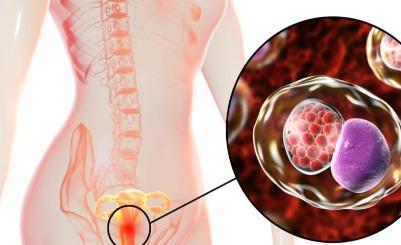
There are many infections that can be transmitted through sexual contact. Some of the most common include:
- Chlamydia.
- Gonorrhea.
- Syphilis.
- Human immunodeficiency virus (HIV).
- Genital herpes.
- Human papillomavirus (HPV).
- Trichomoniasis.
Having one of these infections does not necessarily mean that noticeable symptoms will develop. Some cases are identified through medical evaluation and appropriate testing.
What Are the Symptoms of Sexually Transmitted Infections?
Symptoms vary depending on the type of infection, and some people may have no symptoms at all.
Signs that may require medical attention include:
- Unusual discharge from the genital area.
- Burning or pain during urination.
- Sores, blisters, or skin changes around the genitals.
- Itching or irritation.
- Pelvic pain.
- Testicular pain or swelling.
- Unusual bleeding in some cases.
- Genital warts or other growths around the genital area.
Having one of these symptoms does not necessarily mean that a sexually transmitted infection is present, as similar symptoms may occur with other health conditions. Medical evaluation is therefore important for identifying the actual cause.
Can You Have a Sexually Transmitted Infection Without Symptoms?
Yes. Some sexually transmitted infections may cause no noticeable symptoms, while others may cause symptoms that are so mild that the person does not recognize them.
This makes medical testing important when there are circumstances that warrant evaluation, because the absence of symptoms does not always mean the absence of infection.
Early detection can also help with appropriate management and reduce the possibility of transmitting the infection to others or developing complications associated with certain infections.
How Are Sexually Transmitted Infections Transmitted?
Some sexually transmitted infections are transmitted through sexual contact with an infected person. Depending on the infection, transmission may occur through vaginal, oral, or anal sexual contact.
Some viruses can also be transmitted through contact with infected skin or mucous membranes.
Transmission methods differ from one infection to another, so there is no single transmission pattern that applies to every sexually transmitted infection.
How Are Sexually Transmitted Infections Diagnosed?
Diagnosis depends on the symptoms, health condition, and medical history. Depending on the situation, the doctor may recommend specific examinations or laboratory tests.
Diagnosis may involve a physical examination or testing samples such as genital discharge, urine, or blood, depending on the suspected infection.
It is important not to rely on symptoms alone or take medications without medical advice, because treatment varies according to the type and cause of the infection.
Can Sexually Transmitted Infections Be Treated?
Many sexually transmitted infections can be treated, while some viral infections require ongoing management and control of the infection and its symptoms rather than complete elimination.
Treatment depends on the specific infection and its cause. Some bacterial infections may require appropriate medications, while viral infections are managed differently.
For this reason, an accurate diagnosis should come first. Antibiotics or other medications should not be taken without medical evaluation, as inappropriate treatment may fail to address the actual cause of the problem.
What Are the Complications of Untreated Sexually Transmitted Infections?
Ignoring certain sexually transmitted infections or delaying treatment can lead to health complications, particularly when an infection remains undiagnosed or untreated.
Some untreated infections may be associated with reproductive-system problems, inflammation, or fertility-related complications. Certain infections can also increase the risk of transmitting the infection to others.
Complications vary according to the type of infection, duration of infection, and the individual’s health condition. Therefore, medical evaluation should not be delayed when symptoms or concerns about possible infection are present.
How Can Sexually Transmitted Infections Be Prevented?
Several measures can help reduce the risk of sexually transmitted infections, including:
- Following safer sexual practices.
- Using appropriate protective methods correctly.
- Having medical tests when indicated.
- Avoiding the sharing of equipment that may transmit blood when a particular infection can spread through this route.
- Receiving appropriate vaccinations for infections for which vaccines are available.
- Discussing sexual health and STI testing with a partner.
Prevention methods vary depending on the type of infection, making awareness and medical evaluation important parts of protecting sexual health.
When Should You See a Doctor?
Medical evaluation is recommended if you develop unusual discharge, burning during urination, sores or blisters around the genital area, unexplained pain, or any other concerning changes.
Medical assessment may also be appropriate after a possible exposure to a sexually transmitted infection, even when no symptoms are present, because some infections can remain asymptomatic.
Book an Appointment with Dr. Mohamed Rabea in Ismailia
If you experience symptoms related to the urinary or reproductive system or need medical evaluation because of a possible sexually transmitted infection, you can contact Dr. Mohamed Rabea at 01223225002 or visit the clinic in Ismailia during working hours.
Clinic Address
Ismailia Governorate
81 Shebeen El-Kom Street
Second Floor
Opposite Mongini
Ismailia
Phone & WhatsApp
Working Hours
Saturday: 7:00 PM – 11:00 PM
Sunday: 7:00 PM – 11:00 PM
Monday: 7:00 PM – 11:00 PM
Tuesday: 7:00 PM – 11:00 PM
Wednesday: 7:00 PM – 11:00 PM
Thursday: 7:00 PM – 11:00 PM
Friday: Closed