
Varicocele: Symptoms, Causes, and When Treatment May Be Needed
If you are experiencing symptoms that may be related to a varicocele or would like to have your condition evaluated, you can contact Dr. Mohamed Rabie in Ismailia to book an appointment and inquire about the condition. 📞 01223225002
📍 Address: 81 Shebeen El-Kom Street, 2nd Floor, in front of Mongini, Ismailia, Egypt. 🕒 Working Hours: Saturday to Thursday, from 7 PM to 11 PM.
A varicocele is a common condition that affects some men. It may cause no noticeable symptoms in some cases, while in others it may be associated with testicular discomfort, a feeling of heaviness, or fertility-related concerns. The need for treatment varies from one person to another depending on symptoms, examination findings, and medical assessment.
1.jpg)
What Is a Varicocele?
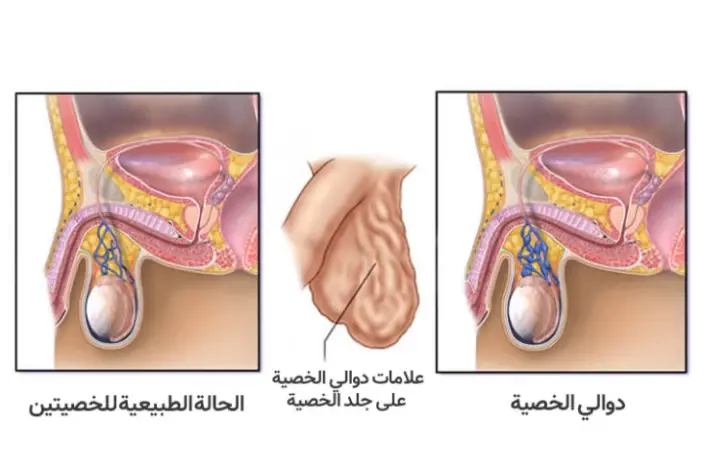
A varicocele is an enlargement of the veins inside the scrotum. These veins help carry blood away from the testicles.
A varicocele may affect one testicle or both, although it is more commonly found on the left side because of the way the veins in this area are connected to the circulatory system.
Having a varicocele does not automatically mean that a man has a fertility problem or needs surgery. The appropriate approach depends on the individual's condition.
What Causes a Varicocele?
A varicocele is associated with impaired function of the valves inside the veins. This can cause blood to accumulate, increasing pressure within the veins and causing them to become enlarged.
There may not be an obvious cause that a person can identify on their own. Diagnosis therefore depends on medical assessment and, when needed, additional tests.
What Are the Symptoms of a Varicocele?
Some people with a varicocele have no noticeable symptoms, while others may experience:
-
Testicular pain or a feeling of heaviness.
-
Increased discomfort after prolonged standing or physical activity.
-
Enlarged veins that may become noticeable in the scrotum.
-
A difference in testicular size in some cases.
-
Abnormal semen analysis results or fertility difficulties in some patients.
Symptoms alone cannot confirm the presence of a varicocele because some cases may have no obvious symptoms.
Can a Varicocele Affect Fertility?
A varicocele may be associated with changes in certain fertility parameters in some men, but having a varicocele does not automatically mean infertility.
When fertility problems are present along with a varicocele, the doctor may need to evaluate the condition comprehensively. This may include a semen analysis and other tests depending on the individual case.
How Is a Varicocele Diagnosed?
Diagnosis usually begins with the patient's medical history and a physical examination. The doctor assesses the testicles and the veins within the scrotum.
In some cases, a testicular ultrasound with Doppler may be recommended to evaluate the veins and assess the condition more accurately.
The need for additional tests depends on the symptoms and physical examination findings.
Does Every Varicocele Require Treatment?
No. Not every varicocele requires treatment.
If the varicocele does not cause significant symptoms and there are no findings that require intervention, the doctor may recommend monitoring the condition.
In other cases, treatment may be considered when there are persistent symptoms, fertility-related concerns, changes in testicular size, or other findings that require medical intervention.
When May Treatment Be Recommended?
The decision to treat a varicocele varies from one patient to another and may depend on factors such as:
-
The severity and persistence of pain.
-
The impact of symptoms on daily life.
-
Semen analysis results when fertility is being evaluated.
-
Changes in testicular size or development.
-
The patient's age and overall health.
-
Physical examination and additional test results.
Treatment should therefore not be decided based solely on the presence of a varicocele.
Varicocele Treatment
Treatment depends on the patient's condition and the purpose of treatment.
Some cases may only require monitoring, while others may require an intervention when there are medical reasons to treat the varicocele.
The appropriate treatment approach is determined after evaluating the severity of the condition, symptoms, and test results.
Can a Varicocele Be Treated Without Surgery?
Management depends on the nature and severity of the condition and its effect on the patient. Varicoceles that do not cause significant problems may not require intervention.
When treatment is necessary, the doctor determines the appropriate option based on the patient's examination and overall assessment.
When Should You See a Specialist?
A medical evaluation is recommended if you experience recurring testicular pain, persistent heaviness in the scrotum, noticeable enlarged veins, or fertility concerns.
A noticeable difference in testicular size or unusual testicular pain should also be medically evaluated rather than self-diagnosed.
Dr. Mohamed Rabie for Varicocele Evaluation and Treatment in Ismailia
You can contact Dr. Mohamed Rabie to inquire about appointments and evaluation of urological conditions, including cases that may require assessment for varicocele.
📍 Address: 81 Shebeen El-Kom Street, 2nd Floor, in front of Mongini, Ismailia.
📞 Phone / WhatsApp: 01223225002
🕒 Working Hours:
-
Saturday: 7 PM – 11 PM
-
Sunday: 7 PM – 11 PM
-
Monday: 7 PM – 11 PM
-
Tuesday: 7 PM – 11 PM
-
Wednesday: 7 PM – 11 PM
-
Thursday: 7 PM – 11 PM
-
Friday: Closed
Frequently Asked Questions About Varicocele
Does a varicocele cause infertility?
Not necessarily. A varicocele may be associated with changes in certain fertility parameters in some men, but its presence does not automatically mean infertility.
Can a varicocele cause pain?
Yes. A varicocele may cause testicular pain or heaviness, and discomfort may increase after prolonged standing or physical activity in some cases.
Does every varicocele require surgery?
No. Some cases do not require intervention, while others may need treatment depending on symptoms, test results, and the doctor's assessment.
How can I know if I have a varicocele?
Symptoms alone cannot confirm the condition. Diagnosis is based on a medical examination, and ultrasound with Doppler may be used in some cases.
Conclusion
A varicocele may cause no noticeable symptoms in some men, while in others it may be associated with testicular pain, heaviness, or fertility concerns.
Not every varicocele requires treatment. The decision depends on symptoms, examination findings, test results, and the patient's overall condition.
If you have symptoms that may be related to a varicocele or have concerns about fertility, you can contact Dr. Mohamed Rabie in Ismailia to book an appointment and have your condition evaluated.
📞 01223225002 📍 81 Shebeen El-Kom Street, 2nd Floor, in front of Mongini, Ismailia 🕒 Saturday to Thursday, 7 PM to 11 PM