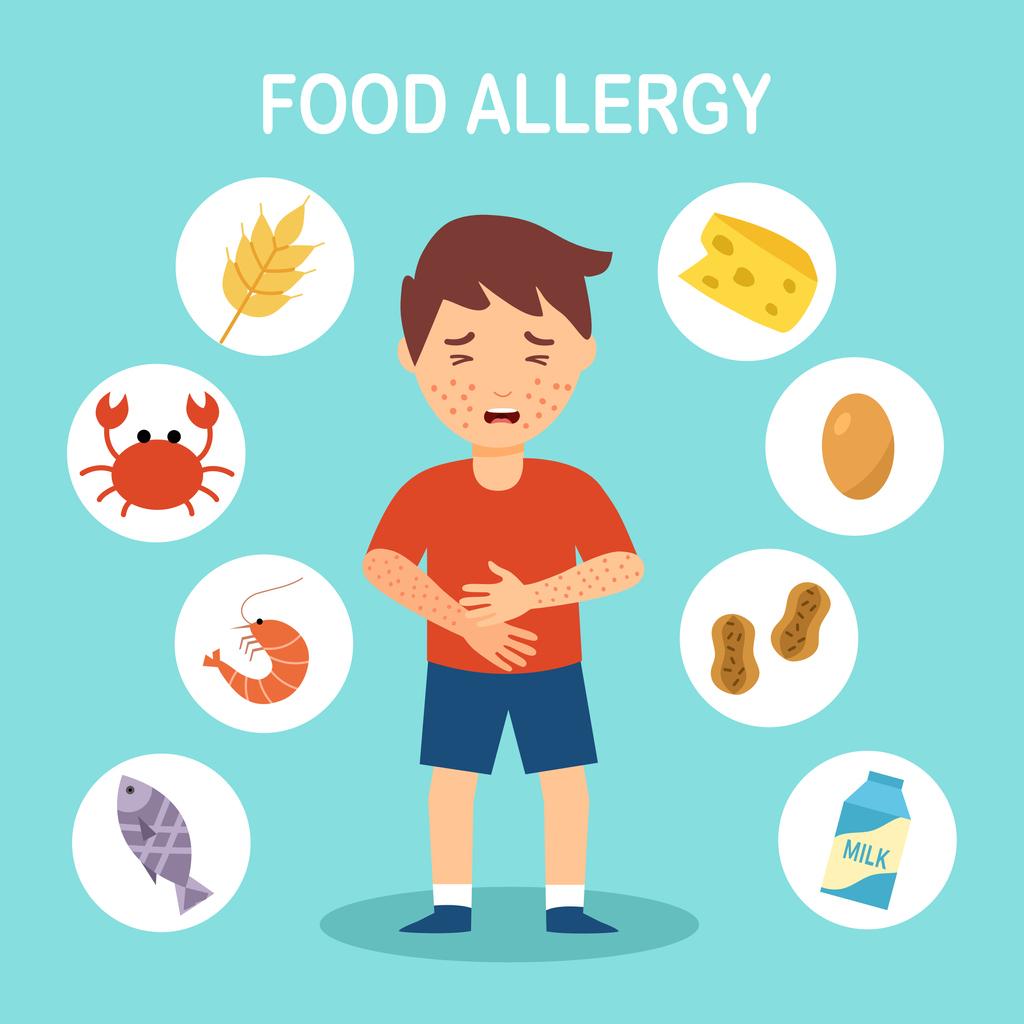

Food Allergies & Intolerances: An Evidence-Based Guide to Hidden Triggers, Diagnostic Testing, and Oral Immunotherapy
A routine meal can unexpectedly trigger severe cutaneous, respiratory, and gastrointestinal reactions. Discover the clinical distinction between IgE-mediated allergies and metabolic food intolerances, alongside breakthrough skin prick diagnostics and immunotherapy protocols.
🔬 Immunological Mechanisms: True Food Allergy vs. Intolerance
A genuine food allergy occurs when the adaptive immune system mistakenly identifies a harmless dietary protein as a pathogenic intruder, synthesizing antigen-specific Immunoglobulin E (IgE) antibodies.
Upon subsequent ingestion—even in microscopic quantities—the allergen binds to surface-bound IgE on tissue mast cells and basophils, triggering explosive degranulation and release of histamine, leukotrienes, and prostaglandins. This precipitates acute angioedema, bronchospasm, urticaria, and potentially lethal circulatory shock.
💡 Essential Clinical Distinction
True Food Allergy: An immune-mediated reaction that can induce life-threatening anaphylaxis from trace exposure. Food Intolerance (e.g., Lactose Intolerance): A gastrointestinal enzymatic deficit (lactase enzyme deficiency) producing bloating, gas, and cramps without immune activation or risk of airway closure.
⚖️ Clinical Comparison: Food Allergy vs. Food Intolerance
| Parameter | IgE-Mediated Food Allergy | Metabolic Food Intolerance |
|---|---|---|
| Pathology | Immune system hypersensitivity & IgE activation | Digestive enzyme deficiency or biochemical sensitivity |
| Threshold Dose | Trace micro-grams (cross-contact can trigger reaction) | Dose-dependent; small amounts are often tolerated |
| Organ Systems | Systemic: skin hives, facial swelling, wheezing, hypotension | Localized digestive: abdominal distension, cramps, diarrhea |
| Mortality Threat | Potential for rapid, fatal anaphylaxis | Uncomfortable but non-life-threatening |
🍽️ The "Big 8" Culprit Foods & Clinical Presentation
🥛 Cow's Milk Protein Allergy (CMPA)
Highly prevalent in infants; causes refractory atopic eczema, intractable colic, and bloody stools. Requires extensively hydrolyzed or amino acid-based formulas.
🥜 Peanuts & Tree Nuts
Infamous for extreme potency and lifelong persistence. Aerosolized particles or minute contamination can prompt sudden laryngeal closure and vascular collapse.
🥚 Hen's Egg & Wheat
Frequently emerges during early solid food weaning, presenting with perioral erythema and hives. Often successfully outgrown before school age with controlled reintroduction.
🦐 Shellfish & Marine Finfish
Commonly presents in adult life and remains lifelong. Crustaceans (shrimp, crab) carry high cross-reactivity and demand permanent dietary avoidance.
💉 Precision Diagnostics & Breakthrough Immunotherapy
Modern allergy medicine has advanced beyond blanket dietary deprivation into precise diagnosis and active immunological desensitization:
1. Skin Prick Testing (SPT)
Standardized allergen extracts are placed on the forearm and lightly introduced into the epidermis via micro-lancet. Within 15 minutes, local wheal-and-flare reactions quantify allergen sensitivity safely without invasive phlebotomy.
2. Serum Specific IgE & Molecular Component Testing
Advanced ImmunoCAP blood assays measure exact antibody titers against isolated allergen components (e.g., Ara h 2 in peanuts), identifying patients at risk of severe anaphylaxis versus cross-reactive oral allergy syndrome.
3. Oral Immunotherapy (OIT) & Desensitization
Therapeutic BreakthroughUnder rigorous clinical supervision, the patient ingests micro-doses of allergen protein in gradually escalating concentrations over months. This retrains regulatory T-cells (Tregs) and produces IgG4 blocking antibodies, achieving sustained unresponsiveness.
🚨 Life-Saving Emergency Protocols for Severe Anaphylaxis
💉 Epinephrine Auto-Injector (EpiPen)
Patients with severe allergies must carry two auto-injectors at all times. Epinephrine is the only medication that reverses laryngeal edema and circulatory collapse.
🏷️ Food Label Scrutiny
Audit ingredient lists for hidden allergens such as casein, whey, hydrolyzed vegetable protein, and cross-contamination warning disclaimers.
🏫 Institutional Action Plans
Provide certified written anaphylaxis management protocols to schools and daycares, training educators in emergency injector administration.
❓ Frequently Asked Questions (FAQ)
Q: Can infants truly outgrow cow's milk and egg allergies?
A: Yes. More than 80% of children naturally develop immune tolerance to cow's milk and egg proteins between ages 3 and 5. Supervised food challenges by an immunologist determine the safe moment for gradual reintroduction.
Q: Can adults develop a sudden food allergy without childhood symptoms?
A: Yes, adult-onset food allergies—particularly to shellfish, finfish, and tree nuts—are well-documented. Alterations in immune mucosal tolerance or gut microbiome can trigger de novo IgE sensitization in adulthood.
Q: Are oral antihistamines sufficient to treat anaphylaxis?
A: Absolutely not! Antihistamines alleviate itching and cutaneous hives, but they have zero efficacy in opening constricted airways or restoring crashing arterial blood pressure. Intramuscular epinephrine is the sole first-line emergency drug.
Prof. Dr. Waheed Hesham
Professor of Allergy & Clinical Immunology • Fellow of Heidelberg University, Germany • Member of European & American Academies of Allergy (EAACI & AAAAI) • Head of Allergy, Immunology & Immunotherapy Unit, Suez Canal University.