
General Anesthesia in Dentistry: When Is It Appropriate and What Are Its Benefits? | Dr. Mohamed Ezzat El-Kholy
📞 For appointments and inquiries with Dr. Mohamed Ezzat El-Kholy:
01151616289
💬 Phone / WhatsApp: 01151616289
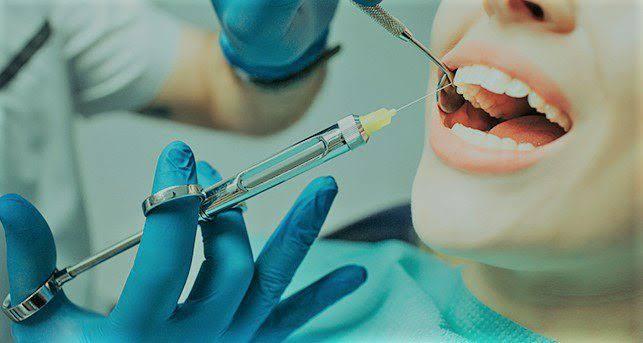
Dental treatment can be stressful for some patients, especially those who experience severe dental anxiety or require several procedures during the same treatment plan. In certain cases, general anesthesia in dentistry may be considered when conventional dental treatment is difficult to perform.
Unlike local anesthesia, general anesthesia causes temporary unconsciousness, meaning the patient is not aware of the dental procedure while it is being performed. However, it is not routinely required for every dental treatment and should only be considered after an appropriate medical and dental assessment.
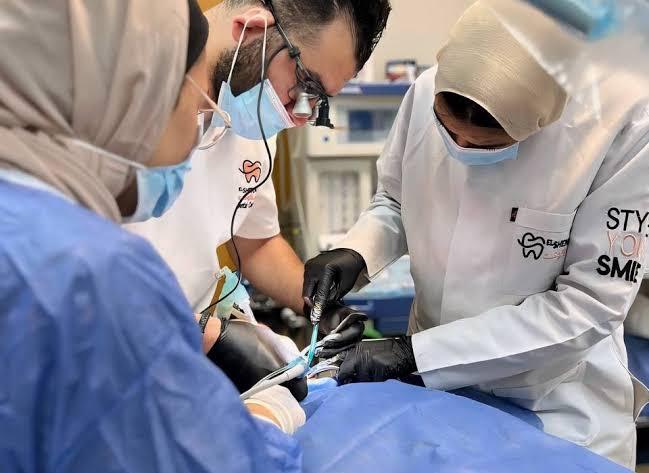
What Is General Anesthesia in Dentistry?
General anesthesia is a medically controlled state in which the patient becomes temporarily unconscious during a procedure.
It differs from local anesthesia, which numbs a specific area of the mouth while the patient remains awake.
It is also different from sedation, which is primarily intended to reduce anxiety and help the patient relax, with the level of consciousness depending on the type and depth of sedation used.
The appropriate method depends on the patient's medical condition, the type and duration of dental treatment, the patient's level of anxiety, and their ability to cooperate during the procedure.
What Are the Benefits of General Anesthesia in Dentistry?
When appropriately indicated, general anesthesia may offer several potential benefits.
1. Reducing Severe Dental Anxiety
Some patients experience significant fear or anxiety when visiting the dentist. This may make it difficult for them to undergo conventional dental procedures.
General anesthesia can allow treatment to be performed while the patient is temporarily unconscious, which may be considered in selected cases of severe dental anxiety.
2. Completing Multiple Dental Procedures
Patients who require several dental treatments may sometimes be able to undergo multiple procedures during one planned session under general anesthesia.
This may reduce the need for repeated appointments in selected cases, depending on the treatment plan and the patient's medical condition.
3. Helping Patients Who Cannot Cooperate Easily
General anesthesia may be considered for certain patients who have difficulty cooperating during dental treatment.
This may include some patients with special healthcare needs or those who cannot tolerate conventional dental procedures, following an appropriate assessment.
4. Lack of Awareness During the Procedure
One of the main characteristics of general anesthesia is temporary loss of consciousness, meaning that the patient is not aware of the dental procedure during the period of anesthesia.
Is General Anesthesia Suitable for Every Dental Patient?
No.
General anesthesia is not the first choice for every dental procedure.
The decision should be based on a clear medical and dental indication after evaluating the patient's health, medical history, medications, dental condition, and the nature of the planned treatment.
Other approaches, such as local anesthesia or appropriate sedation, may be more suitable for many patients.
Which Dental Patients May Benefit From General Anesthesia?
General anesthesia may be considered in selected cases, including:
-
Severe dental anxiety or fear.
-
Difficulty cooperating during dental treatment.
-
Certain patients with special healthcare needs.
-
Patients requiring extensive dental treatment.
-
Long or complex dental procedures.
-
Cases where other methods of anxiety and behavior management are insufficient.
The final decision should always be based on an appropriate professional assessment.
Is General Anesthesia More Comfortable Than Local Anesthesia?
This depends on the patient's condition and the type of dental treatment required.
Local anesthesia is appropriate for many dental procedures and allows the patient to remain conscious while the treated area is numbed.
General anesthesia causes temporary unconsciousness and may therefore be considered for specific patients when conventional treatment is difficult.
Neither method can be considered universally better. The appropriate choice depends on the patient's needs, health status, and treatment plan.
How Should Patients Prepare for General Anesthesia?
Before general anesthesia, the patient should undergo an appropriate medical assessment.
The medical team reviews the patient's medical history, current medications, allergies, previous anesthesia experiences, and general health.
The patient must also follow the instructions provided by the medical team regarding eating, drinking, medications, and other preparations before the procedure.
Patients should never stop or change prescribed medications without medical advice.
What Happens During Dental Treatment Under General Anesthesia?
After the patient has been appropriately prepared, general anesthesia is administered by a qualified professional.
The patient's vital signs and condition are continuously monitored during the procedure.
At the same time, the dental team performs the planned treatment according to the patient's dental needs.
General anesthesia should be provided in an appropriately equipped setting with qualified personnel and the ability to manage potential complications.
What Happens After Dental Treatment?
After the procedure, the patient is monitored while recovering from anesthesia.
Some patients may experience temporary drowsiness or other effects following anesthesia. For this reason, patients should follow all postoperative instructions provided by the medical team.
The recovery period and instructions for returning to normal activities vary depending on the patient's condition and the type of treatment performed.
Does General Anesthesia Have Risks?
Like any medical procedure, general anesthesia can involve potential risks.
The level of risk varies depending on the patient's age, general health, medical history, medications, type of anesthesia, and the procedure being performed.
Possible complications may include breathing difficulties, changes in heart rate or blood pressure, allergic reactions, and other complications.
This is why general anesthesia should only be used when medically appropriate and after carefully considering its potential benefits and risks.
Why Is a Qualified Medical Team Important?
Patient safety is a major consideration when general anesthesia is used.
The anesthesia provider must have the appropriate training and qualifications, while the facility should have suitable equipment for monitoring the patient and managing potential emergencies.
The use of general anesthesia should therefore be part of a carefully planned treatment process rather than simply a method for increasing patient comfort.
Dr. Mohamed Ezzat El-Kholy | Dentist
If you are looking for dental treatment in Sabrbay, you can contact Dr. Mohamed Ezzat El-Kholy to schedule an appointment and discuss your dental needs.
📍 Clinic Address:
Sidi Khattab Street — In front of Dr. Mikhail Pharmacy — Sabrbay.
The clinic provides dental care according to each patient's condition and individual treatment requirements.
Working Hours
The clinic is open daily except Friday:
Monday: 5:00 PM – 11:00 PM
Tuesday: 5:00 PM – 11:00 PM
Wednesday: 5:00 PM – 11:00 PM
Thursday: 5:00 PM – 11:00 PM
Friday: Closed
Saturday: 5:00 PM – 11:00 PM
Sunday: 5:00 PM – 11:00 PM
📞 Appointments and Inquiries
01151616289
Phone / WhatsApp: 01151616289
Conclusion
General anesthesia in dentistry can be an appropriate option for selected patients who have severe dental anxiety, difficulty cooperating, or extensive dental treatment needs.
However, it is not suitable for every patient or every dental procedure. The decision should be made after evaluating the patient's health, dental condition, treatment requirements, and the potential benefits and risks of anesthesia.
The main goal is to select the most appropriate anesthesia approach that provides the best possible balance between patient comfort, safety, and effective dental treatment.
Dr. Mohamed Ezzat El-Kholy – Dentist