Gout Cases Rise as Experts Warn Against Misleading Social Media Advice
Gout incidence increases by 4% annually, with doctors warning that social media misinformation focuses excessively on diet while neglecting real causes and effective treatments.
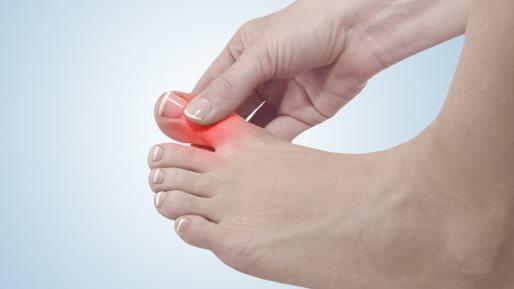
Gout cases are rising globally, with statistics showing a 4% annual increase, raising concerns among medical experts.
Specialists caution against the misleading role of social media in spreading inaccurate medical information, where many patients are told to blame only their diet, ignoring real causes such as genetics, kidney function issues, excess weight, and the inflammatory response to urate crystals in the joints.
Gout is a painful form of arthritis, often affecting the big toe and sometimes extending to the feet, ankles, and wrists. Diagnosis is typically made by measuring uric acid levels in the blood, and the disease can be controlled through long-term urate-lowering medication.
A recent study found that over 90% of medical videos on social platforms focused only on diet and lifestyle, neglecting more impactful risk factors and long-term treatment options, with only a very small percentage mentioning medication as an effective therapy.

Regular health screening is one of the most important steps to maintain good health and detect diseases early. The essential medical checkups for every age help in preventing complications and ensuring a healthier life.

Many people, after doing medical tests, receive their results and immediately start looking at numbers and unfamiliar terms like (High – Low – Normal) without fully understanding what they actually mean.

When dealing with medical services, many people come across different titles for doctors such as “Specialist” and “Consultant”, which can sometimes create confusion about what each title actually means and how they differ from each other.

Choosing the right time to visit a doctor is not a random decision. It can directly affect how quickly a condition is diagnosed and how effective the treatment will be. Many people delay visiting a doctor or go at the wrong time, which may lead to worsening symptoms or delayed care.
