Health Alert at the University of New England After Lyme Disease Outbreak
The University of New England in Connecticut has issued a health warning following a surge in tick-borne illnesses, particularly Lyme disease, raising concerns among students and staff.
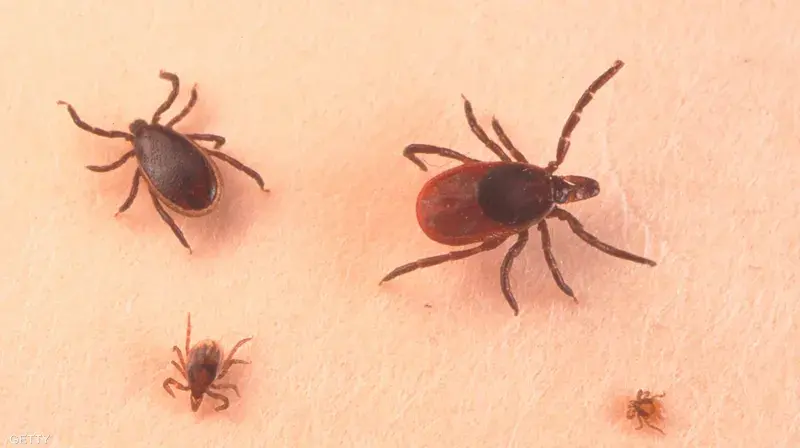
The University of New England has declared a health alert after detecting a significant rise in tick-borne infections on campus, mainly Lyme disease — a condition gaining alarming traction across Connecticut.
According to the Connecticut Veterinary Medical Diagnostic Laboratory, the number of ticks carrying Borrelia burgdorferi, the bacteria responsible for Lyme disease, has grown sharply in recent years. A large portion of tested samples returned positive results, indicating the disease’s expanding presence.
The state reports around 2,200 confirmed Lyme cases annually, though experts suggest the true figure could be up to ten times higher due to underreporting and misdiagnosis. Common symptoms include skin rash, fatigue, headaches, and joint pain, while advanced stages may cause facial paralysis and memory issues.
Experts warn that climate change has prolonged the tick season, which no longer halts during winter, increasing infection risks year-round. National data shows a 70% rise in Lyme cases in 2022 compared to previous averages.
The main carrier, known as the deer tick or black-legged tick, thrives in the northeastern United States and spreads the bacteria to humans after feeding on infected hosts.
Doctors emphasize that early antibiotic treatment for up to 28 days can effectively cure the disease. However, the vague symptoms often delay diagnosis, leading to what’s referred to as chronic Lyme disease.
Sarah Tomis, Assistant Educational Advisor for the One Health Program at the University of Connecticut, urged strict preventive measures for students working with animals or in natural environments, stressing the importance of awareness and protective habits.
Health authorities recommend wearing long clothing, using tick repellents, performing body checks after outdoor activities, and promptly removing any attached ticks with fine tweezers to reduce the risk of infection.
Recent data shows a record 89,470 confirmed Lyme disease cases in 2023 across the U.S., underscoring the growing spread of tick-borne illnesses nationwide.

Modern weight loss injections work by using hormones that regulate appetite and reduce feelings of hunger, which helps the body lose weight in a natural and safe way.
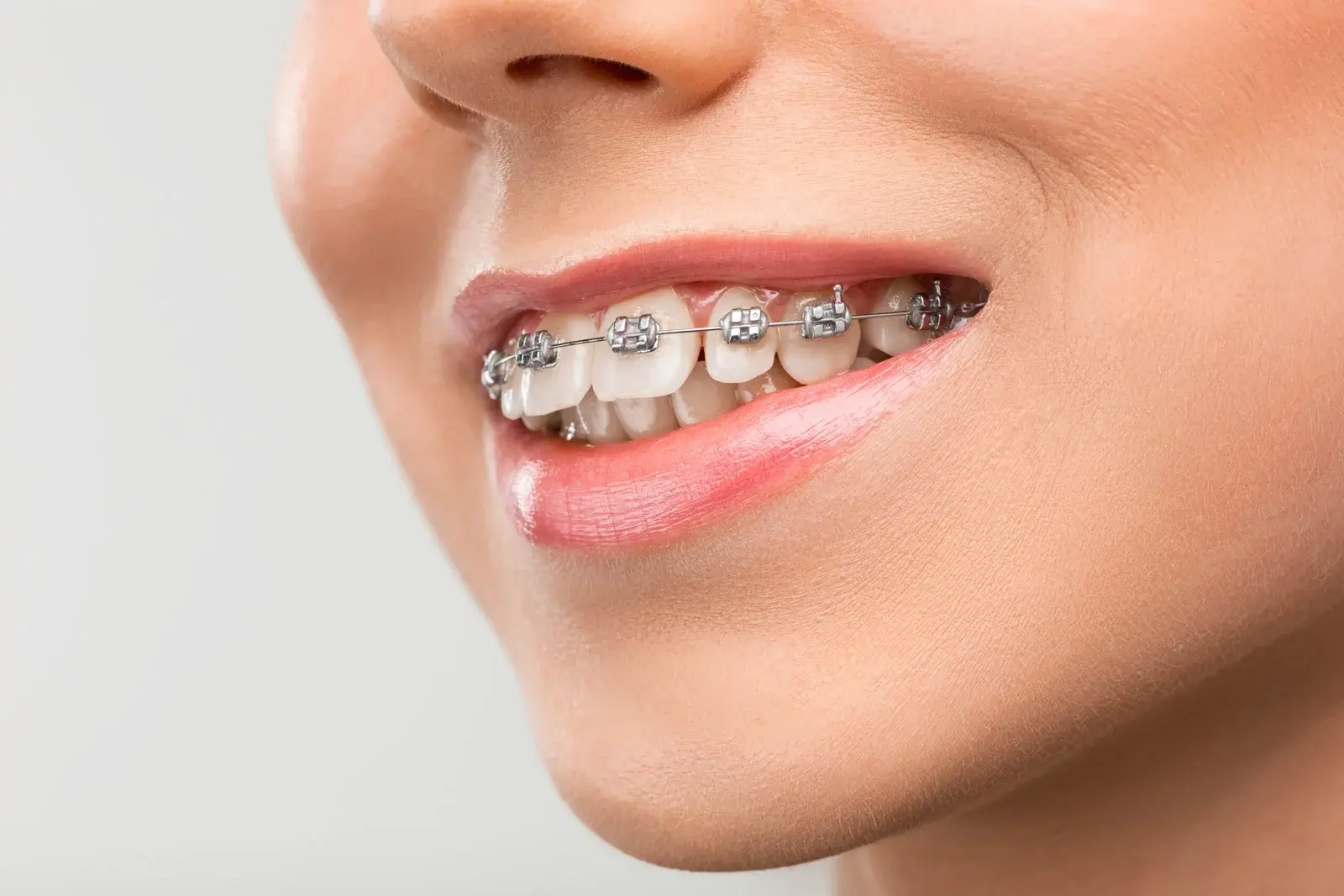
Can your orthodontic results disappear after all that effort? 🤔 Discover why retainers are essential and how to keep your perfect smile for years!

After completing orthodontic treatment, many patients think the journey is over. However, medically speaking, the most important phase begins now: the retainer phase, which is essential to maintain results and prevent teeth from shifting back to their original position.

Orthodontic treatment is an important step to improve the appearance and function of teeth and jaws. However, it requires strict adherence to post-placement instructions to ensure treatment success and achieve the best possible results in the shortest time.
