
Healthy Aging and How to Maintain Health as You Grow Older | Dr. Hatem Anwar Ismail
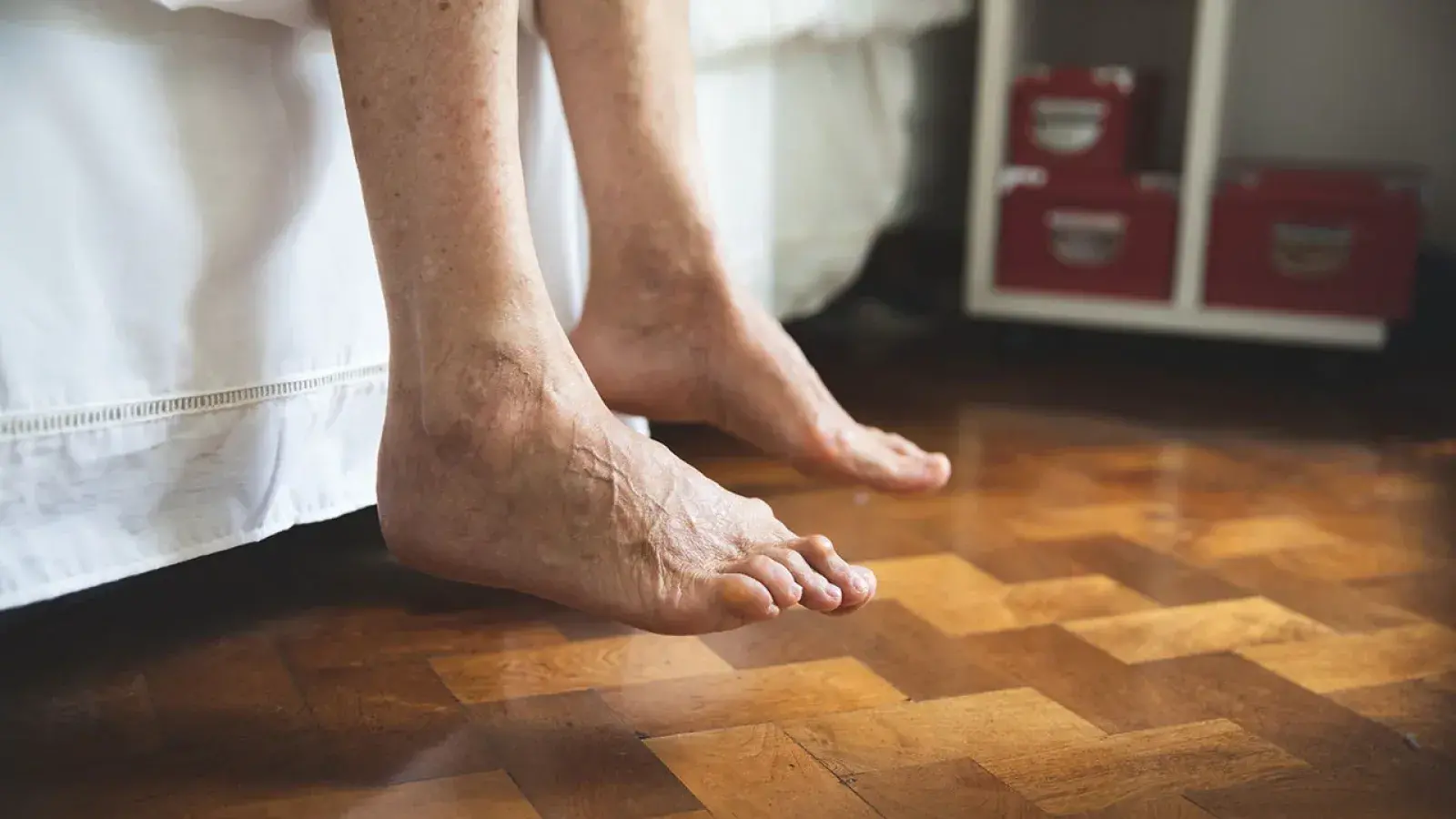
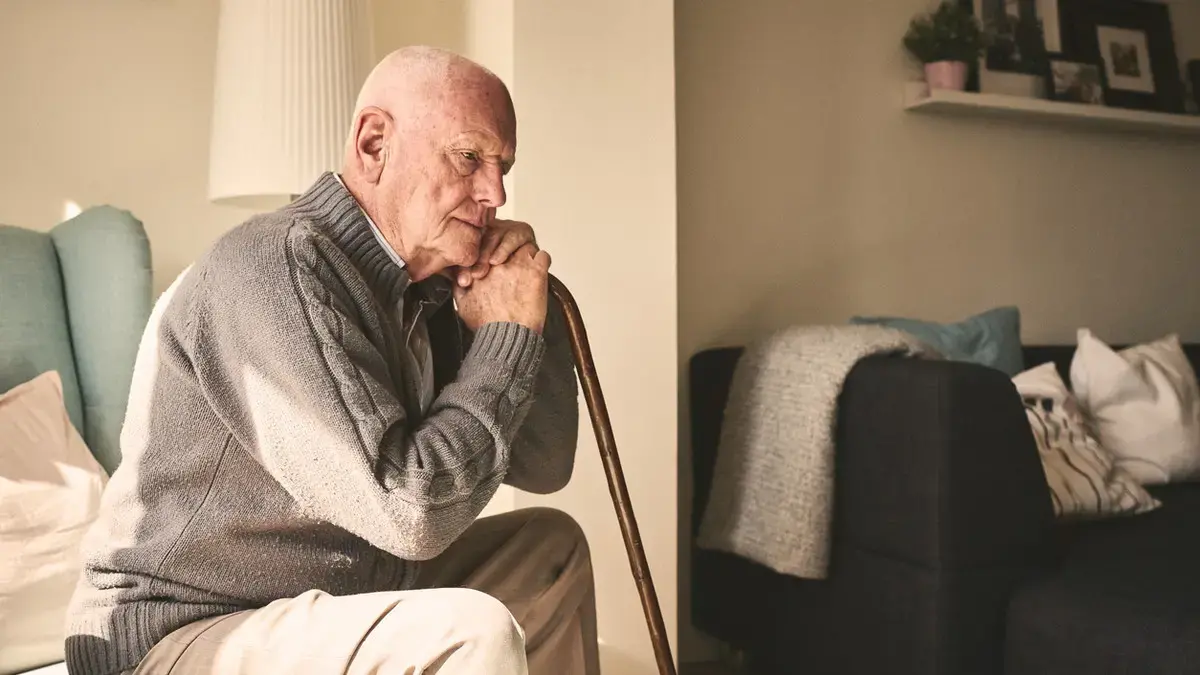
Aging is a natural stage of life accompanied by gradual changes in some physical, mental, and movement-related functions. As people grow older, they may notice changes in sleep, memory, muscle strength, or mobility. However, these changes vary from person to person and do not necessarily indicate disease. Appropriate health care and medical follow-up when needed can help people maintain independence and quality of life. Dr. Hatem Anwar Ismail’s clinic provides contact information for inquiries, while understanding age-related changes can help individuals recognize which symptoms may require medical assessment.
📍 Clinic Address and Contact Information
Dr. Hatem Anwar Ismail’s Clinic
41 Ain Shams Street, Al-Naam Square, Ain Shams, Cairo, Egypt.
📞 For inquiries and appointments: 01282511682

What Is Aging?
Aging is a natural biological process that occurs gradually over time. It is influenced by several factors, including genetics, lifestyle, health conditions, and environmental and social circumstances.
Age-related changes may gradually affect certain abilities, such as muscle strength, joint flexibility, or reaction time. Some people may also notice that it takes longer to recall information or learn something new.
However, aging does not affect everyone in the same way. Some older adults retain good mobility, thinking skills, and the ability to manage daily activities, while others may need help with certain tasks. Healthy aging does not necessarily mean being free from disease. Rather, it focuses on maintaining the ability to do meaningful activities and enjoy life for as long as possible.
What Changes May Occur Naturally With Age?
Physical and mental changes may occur as people grow older, but their nature and severity vary among individuals.
Physical Changes
Muscle mass and strength may gradually decrease, movement may become less flexible, and recovery after physical effort may take longer. Hearing, vision, and sleep quality may also change.
These changes do not automatically mean that a person will lose independence. Appropriate physical activity, good nutrition, and management of chronic conditions may help maintain functional ability.
Changes in Memory and Concentration
Some people may need more time to recall a name or piece of information, or may occasionally misplace an object and remember its location later. Such minor changes can occur with age, but they should not substantially interfere with everyday activities.
More serious or progressively worsening memory problems that affect daily functioning should not automatically be considered a normal part of aging without medical assessment.
What Is the Difference Between Normal Forgetfulness and Medical Memory Problems?
Occasionally forgetting details can be normal, but there is a difference between minor forgetfulness and changes that interfere with everyday life.
Mild forgetfulness may involve misplacing keys or temporarily struggling to remember a name before recalling it later. Warning signs may include repeatedly asking the same questions, having difficulty following familiar instructions, getting lost in well-known places, or increasingly struggling to manage money or complete familiar tasks.
Memory problems can have different causes, including neurological conditions, depression, sleep disturbances, certain medications, and other health problems. Dementia or Alzheimer's disease cannot be diagnosed from forgetfulness alone.
If you notice significant changes in your own memory or that of a family member, a medical assessment can help identify the cause and determine appropriate next steps.
How Can You Maintain Your Health as You Grow Older?
Certain healthy habits can support physical and mental abilities and help preserve independence. The right approach should take each person's health and circumstances into account.
1. Stay physically active.
Regular physical activity can support muscle strength, balance, and mobility. Activities may include walking and suitable strength or balance exercises. People with chronic health conditions or mobility difficulties should discuss an appropriate activity plan with a doctor before starting a new exercise program.
2. Maintain a balanced diet.
A varied diet containing protein, vegetables, fruit, and suitable sources of vitamins and minerals helps meet the body's nutritional needs. Regular fluid intake is also important, particularly for people who may have a reduced sense of thirst.
3. Get adequate sleep.
Good sleep supports concentration, mood, and general well-being. Persistent sleep difficulties, loud snoring, or significant daytime sleepiness may warrant medical assessment.
4. Maintain social contact and mental activity.
Spending time with family and friends and participating in enjoyable activities can support emotional well-being and a sense of connection. Reading, learning new skills, and pursuing hobbies may also help maintain mental engagement.
5. Monitor chronic conditions.
Monitoring blood pressure, diabetes, and other chronic conditions is important as people grow older. Following the prescribed treatment plan and reviewing medications with a doctor when needed can help reduce risks associated with these conditions.
Why Does Medical Follow-Up Become Important With Age?
Medical follow-up helps assess general health, identify changes that may require attention, review chronic conditions, and evaluate how medications may be affecting daily life.
Appropriate screening and investigations vary according to age, medical history, symptoms, and risk factors. Not everyone needs the same tests or repeated laboratory investigations without a specific reason.
Tell your doctor about new changes in mobility, memory, appetite, or sleep, and provide an accurate list of medications and supplements. Some symptoms may be related to medication side effects or health conditions that can be addressed.
Do not stop a prescribed medication or change its dose without medical advice, especially if you take several medicines for chronic conditions.
What Warning Signs Should Older Adults Not Ignore?
Some changes require prompt medical evaluation and should not automatically be attributed to aging.
These include sudden confusion or a marked change in consciousness, sudden weakness on one side of the body, sudden difficulty speaking or seeing, chest pain, or severe breathing difficulty. These symptoms require emergency medical attention.
Repeated falls, unintentional weight loss, increasing weakness, or a decline in the ability to perform daily activities should also be assessed, even when there are no acute symptoms.
Noting when changes began, how they developed, and which medications are being used can provide useful information during medical assessment.
How Can Families Support Older Adults?
Families can play an important role in helping older adults maintain independence and feel safe. Support may include encouraging appropriate activities, helping with medical appointments when necessary, and assisting with medications according to the prescribed instructions.
Making the home safer can also reduce the risk of falls. Examples include removing obstacles from walkways, improving lighting, and providing suitable support where needed.
At the same time, it is important to respect the person's preferences and privacy and involve them in decisions about their health and daily life as much as possible. Good support includes not only physical assistance but also social connection, respect, and independence.
When Should You Seek Medical Advice About Age-Related Changes?
Consider seeking medical advice when changes in memory, mobility, sleep, or appetite persist or worsen, or when they begin to interfere with daily activities.
Repeated falls, difficulties following medication instructions, or possible side effects also warrant a review. Assessment depends on symptoms, medical history, and examination findings, with additional tests when appropriate.
Symptoms should not automatically be attributed to age alone because some underlying problems may be treatable or manageable once their causes are identified.
Contact Dr. Hatem Anwar Ismail’s Clinic
If you would like to inquire about appointments or discuss the appropriate next steps regarding a health concern, you can contact Dr. Hatem Anwar Ismail’s clinic.
📍 Address: 41 Ain Shams Street, Al-Naam Square, Ain Shams, Cairo, Egypt.
📞 For inquiries and appointments: 01282511682
Frequently Asked Questions About Aging
Is aging a disease?
No. Aging is a natural process, although health changes may occur and some may require assessment or treatment.
Is forgetfulness normal as people grow older?
Minor forgetfulness can occur, but recurring memory problems that affect daily activities or involve confusion should be medically assessed.
How can people maintain their health as they age?
Suitable physical activity, balanced nutrition, adequate sleep, social connection, and management of chronic conditions can help support health and everyday functioning.
When should medical help be sought?
Seek medical advice for persistent changes in memory, movement, sleep, or the ability to perform daily tasks. Seek emergency help for sudden symptoms such as one-sided weakness, speech difficulty, or altered consciousness.
How can I contact Dr. Hatem Anwar Ismail’s clinic?
Call 01282511682 for appointment inquiries.
Conclusion
Aging is a natural part of life, but maintaining health, mobility, thinking abilities, and the capacity to participate in daily activities remains important at every age. Paying attention to nutrition, physical activity, sleep, social connections, and appropriate medical follow-up can support quality of life as people grow older.
The key is to distinguish expected changes from symptoms that may indicate a health problem. New or worsening symptoms should not be ignored or automatically considered an inevitable part of aging.