Heart-Healthy Fish: Which Types to Include in Your Diet
Eating fatty fish regularly strengthens the heart and reduces the risk of cardiovascular diseases and strokes, but choosing the right type and cooking method is essential.


The heart needs more than exercise or medication; it requires smart nutrition that protects it from inflammation and strengthens its muscles. Fatty fish, rich in omega-3 fatty acids, provides natural protection for your heart when chosen and cooked correctly.
Fatty Fish for a Strong Heart
Eating two servings of fatty fish weekly, such as salmon, sardines, mackerel, white tuna, and herring, helps to:
-
Lower triglycerides.
-
Improve blood vessel flexibility.
-
Reduce the risk of arrhythmias.
Omega-3: A Shield for Your Heart
Omega-3 fatty acids (DHA and EPA) protect arteries from inflammation, regulate blood pressure, and reduce blood clotting, making them essential for cardiovascular health.
Beware of Mercury and Contaminants
Large predatory fish like shark, swordfish, and big-eye tuna may contain high levels of mercury, affecting the nervous system and increasing heart risks, especially for the elderly and pregnant women.
Safe Fish for Children and Pregnant Women
Salmon, tilapia, shrimp, cod, and catfish provide omega-3 safely without mercury exposure.
Ideal Cooking Methods
-
Grill, bake, or steam using olive or canola oil.
-
Avoid deep frying or high-heat cooking to preserve omega-3 and reduce saturated fat.
-
Limit smoked or canned fish in heavy oils to avoid excess sodium and preservatives.
Sustainable and Healthy Choices
Choosing fish from sustainable sources reduces chemical contaminants. Small, plant-eating fish are the safest option.
Alternatives for Non-Fish Eaters
Fish oil supplements or plant-based sources like flax seeds, walnuts, and algae oil can partially provide omega-3, but dosage should be guided by a doctor.

Dr. Mahmoud El Degwy is considered one of the leading specialists in this type of delicate surgery, with over 20 years of extensive experience in cardiothoracic and advanced minimally invasive surgeries.
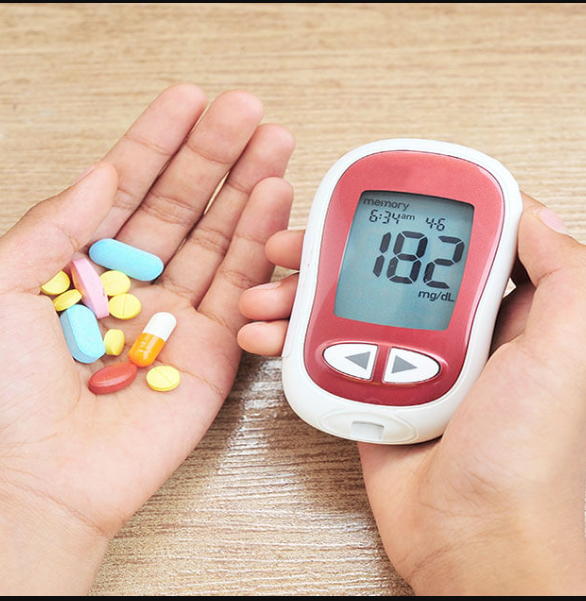
If you are looking for the best internal medicine and diabetes doctor in Hadayek El Kobba, Dr. Salah Afifi offers comprehensive medical care and extensive experience in treating chronic diseases and accurately diagnosing medical conditions.
Get Rid of Glasses Forever with the Latest Vision Correction Technologies by Dr. Mahmoud El-Azizi

Are you feeling anxious about your first pregnancy experience? Are you searching for trusted prenatal care and continuous support throughout your pregnancy journey?
