
🟢 Hiatus Hernia (GERD) – Symptoms, Diagnosis & Treatment
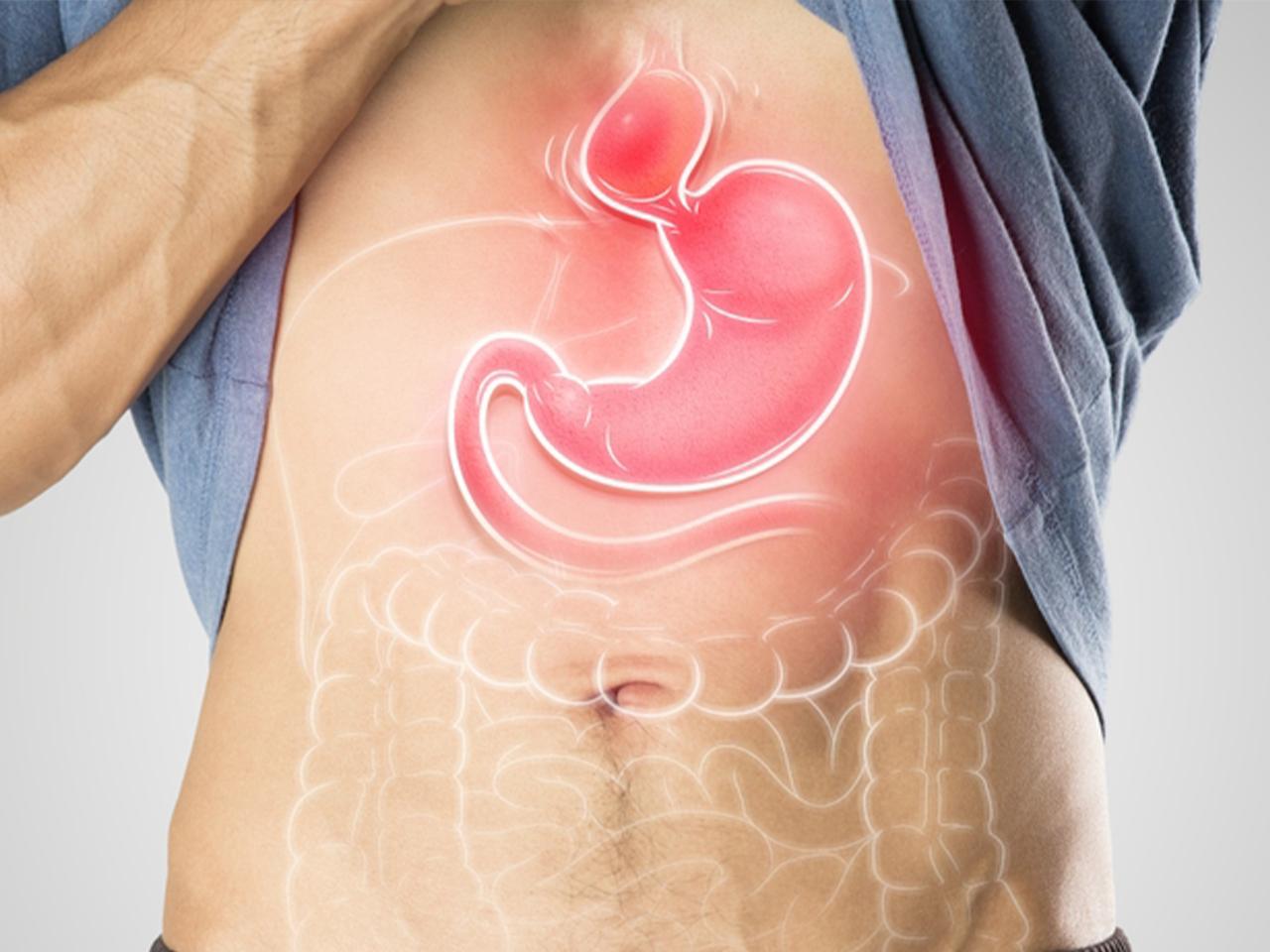
The diaphragm is a muscle that separates the chest 🫁 from the abdomen 🍽️
The esophagus passes through it to connect to the stomach.
When this opening becomes weak or enlarged, a condition called hiatus hernia occurs ⚠️
🩺 Symptoms
🔥 Severe heartburn
🤢 Nausea
💨 Hiccups
💔 Chest pain
❗ Not all symptoms are required; one may be enough for medical consultation.
⚠️ Risk Factors
Weak diaphragm muscle
Increased abdominal pressure 🤰
Age over 50 👴
Obesity ⚖️
Smoking 🚬
Genetic or congenital factors
🔥 Heartburn & Hiatus Hernia
Heartburn is one of the most common symptoms and is more frequent in:
GERD patients
Elderly people
Smokers
Overweight individuals
⚠️ Complications
If untreated, it may lead to:
Gastroesophageal reflux (GERD)
Esophageal ulcers 🧪
Long-term complications
👥 Who is at risk?
Elderly patients 👴
Smokers 🚬
Obese individuals ⚖️
Can affect anyone
🏥 When is surgery needed?
Surgery is considered when:
No response to medication 💊
Obstruction ❌
Severe ulcers
Bleeding or complications
🔬 Diagnosis
Clinical examination 🧑⚕️
Barium swallow X-ray 🩻
Gastroscopy 🔍
💊 Treatment
Antacids
Acid-reducing medications
Surgery in severe cases 🏥
🛡️ Prevention
Eat small meals 🍽️
Avoid spicy and fatty foods 🌶️
Do not lie down after eating ⛔
Stop smoking 🚬
Reduce stress
🏥 Surgery (Nissen Fundoplication)
The most common surgery:
Repositioning the stomach
Strengthening the valve between stomach and esophagus
Preventing acid reflux 🔒
📊 Success Rate
Up to 95% success rate 🎯
with significant improvement in quality of life 👍
👨⚕️ Dr. Ahmed Abdelsalam Abdelkader
Consultant General Surgeon, Endoscopy & Oncology – Armed Forces