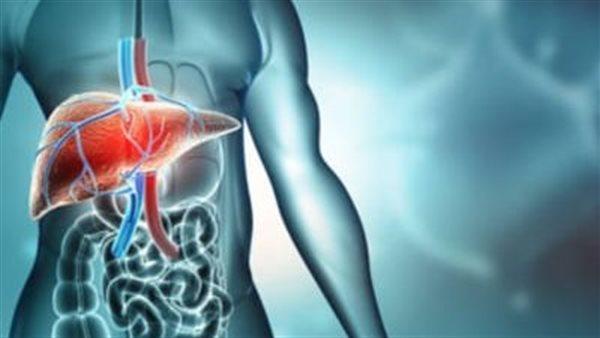

The liver is one of the most vital organs in the human body, playing a central role in regulating metabolism. It processes fats and proteins and helps control blood sugar levels. However, excessive consumption of fats, especially saturated fats and high-calorie foods, can place significant stress on the liver and lead to fat accumulation within it.
Health and nutrition experts explain that metabolic dysfunction–associated fatty liver disease is among the most widespread liver conditions globally. Normally, the body uses fats as a key energy source, helps build cell structures, and stores excess energy in fatty tissues. The liver plays a critical role in determining how these fats are processed and utilized.
When the liver is exposed to excessive amounts of fat due to an unhealthy diet, it may struggle to process them effectively. As a result, fat particles begin to accumulate within liver cells, eventually leading to fatty liver disease.
In some cases, this condition may progress into fatty liver inflammation, which is a more serious stage that can gradually lead to complications such as liver fibrosis or even liver cancer if left untreated.
Fatty liver disease often develops silently without obvious symptoms in its early stages, making it difficult to detect initially. For this reason, doctors emphasize the importance of regular medical checkups, particularly for individuals who have risk factors such as obesity or metabolic disorders.
Medical studies also suggest that fatty liver disease is associated with an increased risk of cardiovascular diseases. Estimates indicate that the condition may affect nearly one out of every three adults in certain regions.
Several factors can increase the likelihood of developing fatty liver disease, including obesity, insulin resistance, type 2 diabetes, metabolic syndrome, abnormal cholesterol levels, and excessive consumption of high-calorie and fatty foods.
Despite these risks, health experts stress that fats themselves are not entirely harmful. They are essential nutrients that help the body produce energy, synthesize hormones, protect vital organs, and absorb fat-soluble vitamins such as vitamins A, D, E, and K.
However, the type and quantity of fat consumed play a crucial role in overall health. Experts recommend focusing on healthier unsaturated fats found in foods like olive oil, nuts, and fish, while limiting saturated and trans fats to protect liver health and overall well-being.
For more details and the latest updates, follow Masr Connect