
Heart disease is not always loud or obvious. It may begin with subtle signals that slowly develop over time, becoming serious warnings. While chest pain is widely known, many other symptoms can be even more dangerous because they are easily overlooked.
First: Direct Physical Symptoms
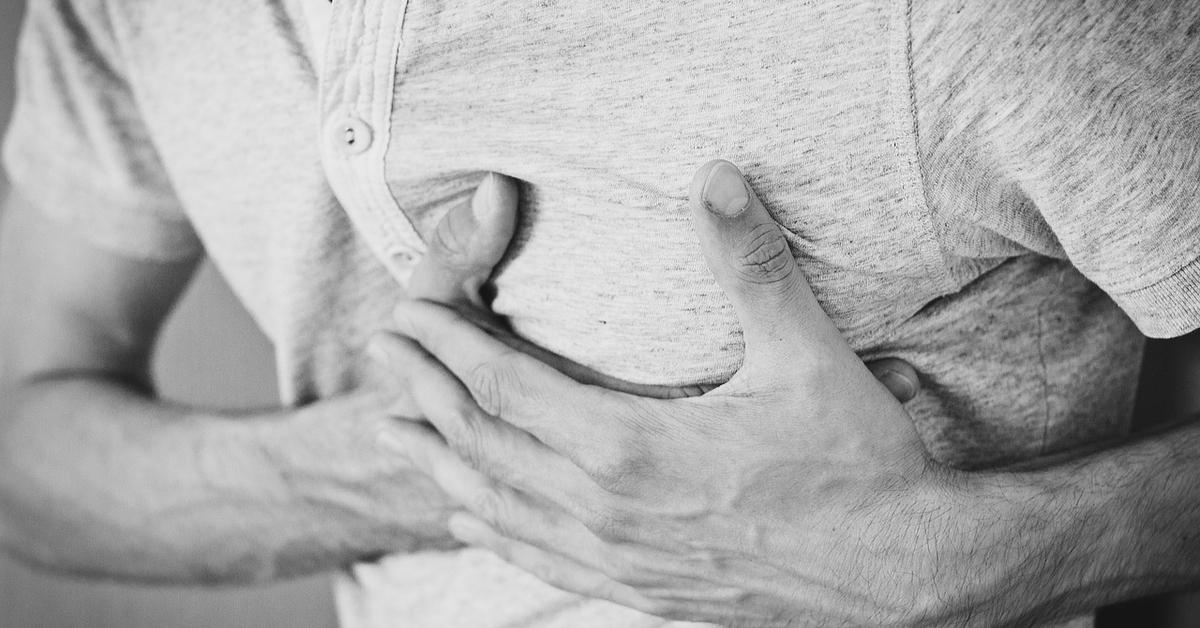
A feeling of chest tightness or pressure that may spread to the arms or jaw can indicate reduced blood flow to the heart.
Shortness of breath during activity or rest may signal poor heart efficiency.
Unexplained fatigue, dizziness, or imbalance may reflect reduced circulation.
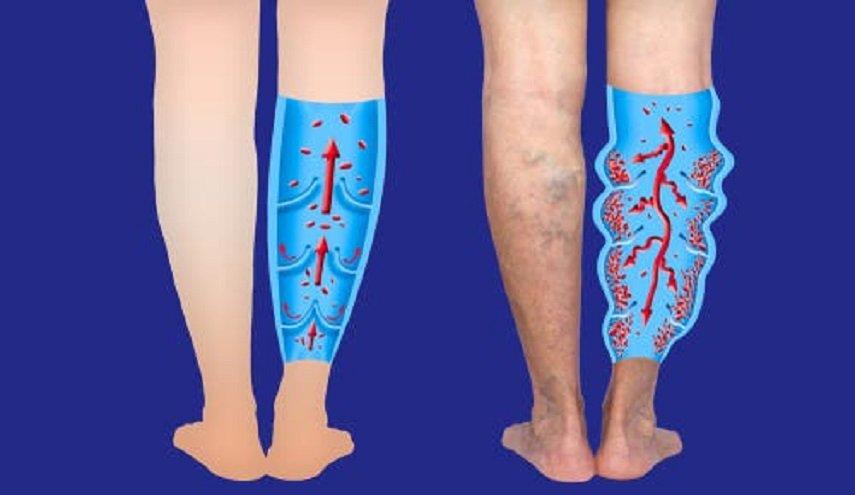
Swelling in the legs or feet may result from fluid retention caused by heart dysfunction.
Second: Unusual Warning Signs
Hearing your heartbeat inside the ear may indicate blood flow irregularities.
Bluish or purplish skin in the extremities can suggest low oxygen levels.
Changes in nail shape or unusual lines may point to circulatory problems.
Third: Physical and Psychological Connection
Severe anxiety can mimic heart attack symptoms such as sweating and nausea.
Depression may increase heart disease risk by affecting lifestyle habits.
Leg pain during walking that disappears with rest may indicate poor blood flow.
Fourth: Additional Warning Indicators
Migraines with visual disturbances may be linked to a higher risk of heart issues.
Persistent or recurring symptoms require immediate medical attention to avoid complications.
Conclusion
Ignoring these silent signs may allow the condition to progress unnoticed, while early detection can significantly reduce risks and protect heart health.
For more details and the latest news follow Masr Connect