High Blood Pressure in Children: Early Signs and Prevention
Hypertension is no longer an adult-only concern. Rising rates among children and adolescents highlight the need for awareness, early detection, and preventive measures for long-term heart and kidney health.
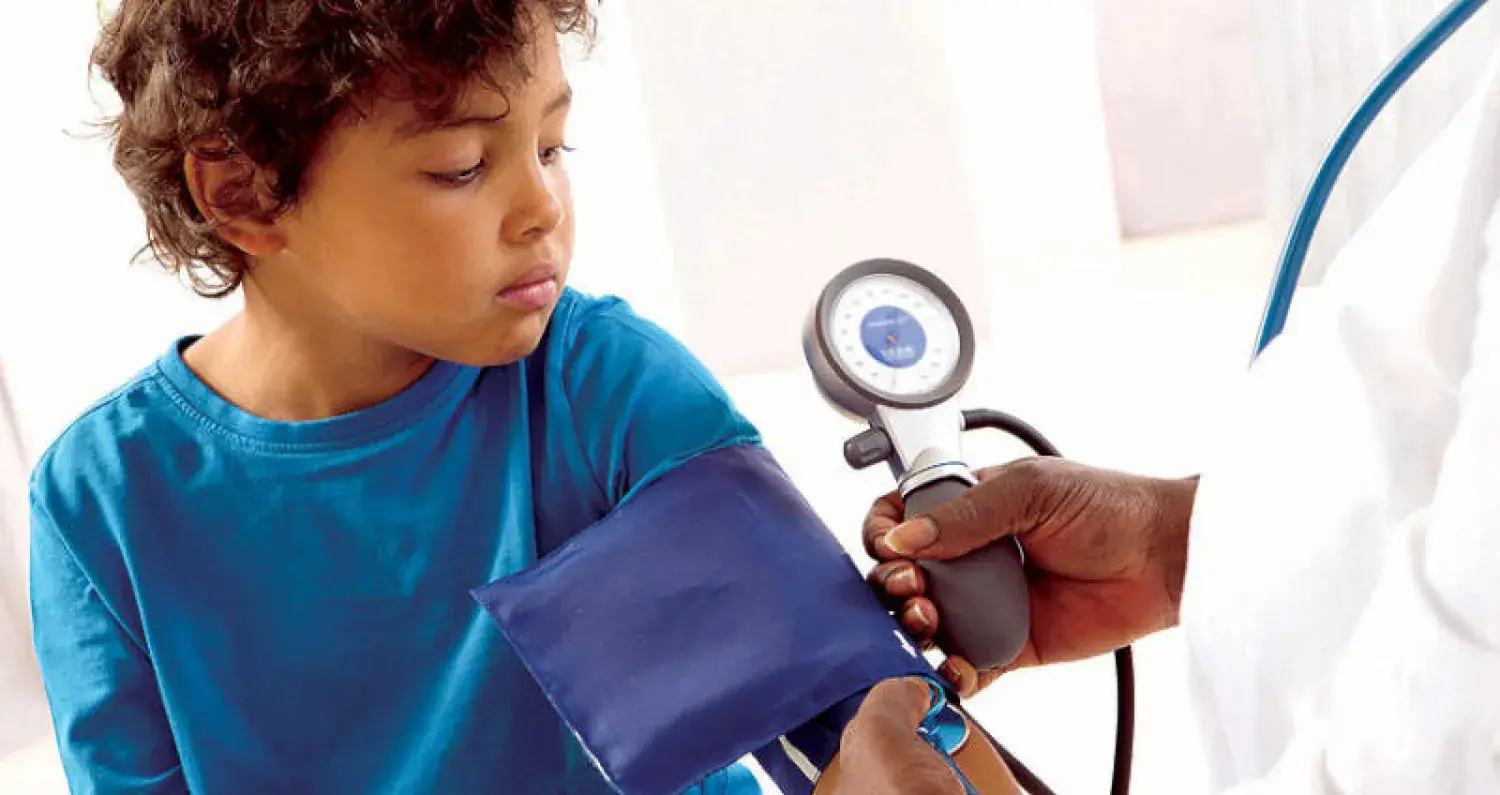
Recent studies reveal a sharp increase in high blood pressure among children and adolescents over the past two decades, primarily linked to obesity, sedentary lifestyle, and poor nutrition. Approximately one-fifth of obese children experience hypertension, compared to 2.4% among healthy-weight peers, increasing future risk of cardiovascular and kidney disease.
Silent Symptoms and Importance of Early Detection
Most children with hypertension show no obvious symptoms, making regular pediatric check-ups essential. Warning signs may include:
-
Severe or unusual headaches
-
Dizziness or lightheadedness
-
Changes in vision or double vision
-
Frequent nosebleeds
-
Fatigue or unexplained weakness
-
Shortness of breath, chest pain, or rapid heartbeat
Severe hypertension can also trigger urgent symptoms like vomiting, fainting, or seizures, requiring immediate medical attention.
Children at Higher Risk
Risk factors include:
-
Obesity or rapid weight gain
-
Family history of heart disease or hypertension
-
Chronic kidney disease or structural kidney problems
-
Heart defects or hormonal disorders
-
Certain medications such as steroids or ADHD drugs
-
Premature birth or low birth weight
Long-term Risks if Untreated
Untreated hypertension can lead to:
-
Cardiovascular and vascular damage
-
Kidney damage
-
Persistent hypertension into adulthood
-
Organ stress, increasing stroke and heart failure risk
When to Seek Immediate Care
Seek emergency care if the child shows sudden severe symptoms like intense headache, chest pain, fainting, severe vomiting, breathing difficulty, sudden vision loss, or seizures.
Preventive Steps for Parents
-
Monitor blood pressure at regular pediatric visits
-
Record symptoms and timings for doctor review
-
Encourage daily physical activity and healthy eating
-
Reduce processed foods, sugary drinks, and salt intake
-
Ensure regular sleep patterns
-
Follow medical guidance for children with high-risk conditions
-
Use home monitoring if recommended by the doctor

Regular health screening is one of the most important steps to maintain good health and detect diseases early. The essential medical checkups for every age help in preventing complications and ensuring a healthier life.
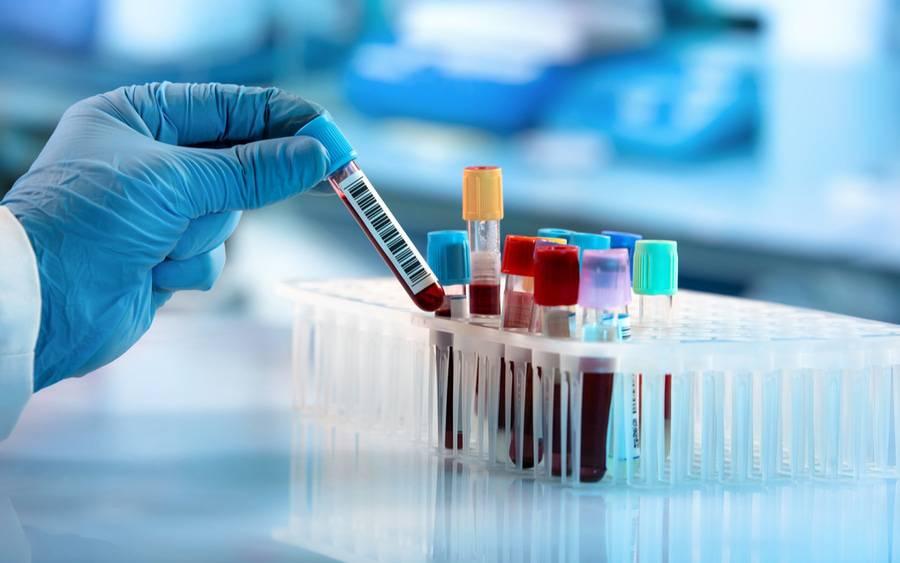
Many people, after doing medical tests, receive their results and immediately start looking at numbers and unfamiliar terms like (High – Low – Normal) without fully understanding what they actually mean.

When dealing with medical services, many people come across different titles for doctors such as “Specialist” and “Consultant”, which can sometimes create confusion about what each title actually means and how they differ from each other.

Choosing the right time to visit a doctor is not a random decision. It can directly affect how quickly a condition is diagnosed and how effective the treatment will be. Many people delay visiting a doctor or go at the wrong time, which may lead to worsening symptoms or delayed care.
