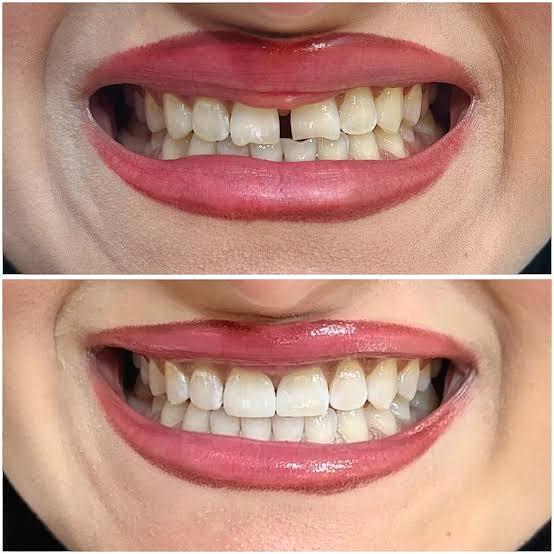

After a root canal, many patients wonder about the next step to preserve the tooth: should a crown be placed to protect it, or are there modern methods that allow preserving as much of the natural tooth structure as possible?
With the advancement of dentistry, new treatment techniques have emerged that help restore teeth after a root canal without the need in every case to reduce the tooth entirely for a traditional crown. Dr. Mohamed Asfour – Specialist in Oral and Dental Surgery and Fixed Prosthodontics – offers advanced treatment solutions using the latest technologies to preserve teeth and restore their strength and natural function.
Why Does a Tooth Become Weak After a Root Canal?
A root canal is essential to save a tooth affected by deep decay or nerve inflammation. During this treatment, the dentist removes the infected tissue inside the nerve canal, cleans and disinfects it, and fills the canals with special medical materials.
However, in many cases, the tooth has lost a significant part of its structure due to:
Deep decay.
Removal of part of the tooth structure to access the nerve.
Weakening of the tooth walls after treatment.
This makes the tooth more prone to fracture or damage, making it necessary to support it with a suitable restoration that preserves it for a long period.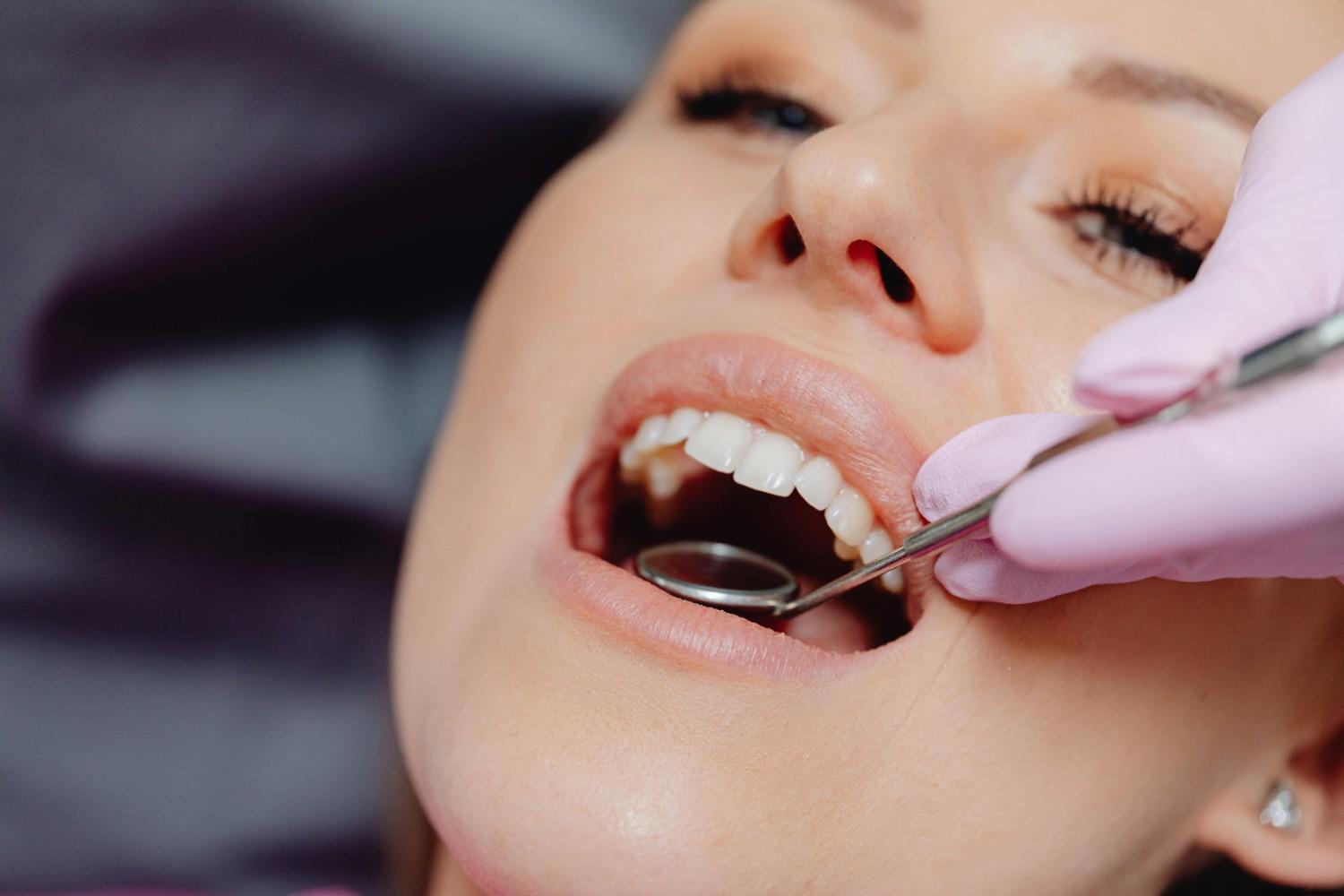
Traditional Solution After Root Canal: Crown Placement
For a long time, the most common solution after a root canal was placing a dental crown, a full covering placed over the tooth to protect it from fracture and restore its shape and function.
The crown is usually placed after inserting a post inside the tooth if a large portion is missing, and then the tooth is reduced on all sides to fit the crown properly. This method is highly effective, but in some cases, it requires removing additional healthy tooth tissue to fit the crown correctly.
Does Every Tooth After a Root Canal Need a Crown?
The answer is not always yes. In some cases, modern restoration techniques allow preserving the tooth without fully covering it. The decision depends on several factors, such as:
The remaining portion of the tooth.
The tooth’s location in the mouth (front or back).
The bite force and pressure on the tooth.
The extent of wall damage.
In some cases, advanced partial restorations may be sufficient instead of a full crown.
Modern Tooth Restoration Techniques: Indirect Restorations
Indirect restorations are designed to replace only the missing part of the tooth with high precision, without reducing the tooth entirely as done for a crown.
These restorations are fabricated in the lab using strong and aesthetic materials such as:
Emax
Permanent resins
They are then bonded to the tooth using advanced adhesive techniques that provide great strength and stability.
Advantages of Modern Tooth Restorations
Preserve the maximum amount of natural tooth structure.
Significantly reduce the need for tooth reduction.
Provide natural aesthetic results.
High strength and fracture resistance.
Long-lasting durability with proper dental care.
These techniques have become a popular choice in modern dentistry to preserve teeth as much as possible.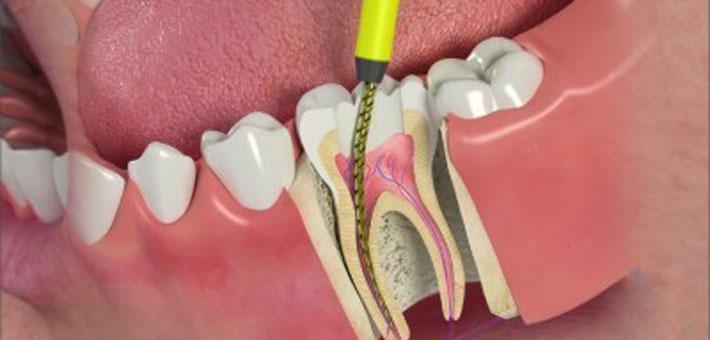
How Does the Dentist Determine the Best Treatment for a Tooth?
There is no one-size-fits-all solution, so choosing the appropriate treatment depends on a precise evaluation of the tooth, including:
Clinical examination.
Digital dental X-rays.
Assessment of tooth wall strength.
The dentist then determines whether the tooth needs:
A traditional filling.
An indirect restoration.
A full crown.
The primary goal is always to preserve the natural tooth for as long as possible.
The Importance of Choosing a Specialized Dentist
The success of root canal treatment and tooth restoration largely depends on the dentist’s expertise and use of modern diagnostic and treatment technologies.
Dr. Mohamed Asfour emphasizes using the latest techniques in fixed prosthodontics and tooth restoration, focusing on preserving natural teeth and achieving the best functional and aesthetic outcomes.
Book Your Appointment Now
If you are experiencing tooth pain or need a root canal or crown placement, you can contact Dr. Mohamed Asfour’s clinic for an accurate diagnosis and a suitable treatment plan:
📞 Phone: 01017055547
📍 Address: 25 Mohamed Farid St., Heliopolis, Cairo – Egypt
Tips to Preserve Teeth After Root Canal
Follow the restoration recommended by your dentist.
Brush your teeth twice daily with fluoride toothpaste.
Use dental floss regularly.
Avoid biting hard objects.
Visit the dentist for regular check-ups every 6 months.
Preserving natural teeth is always the best choice, and modern techniques now allow rebuilding damaged teeth in a way that maintains their strength and natural appearance for many years.