
Sports and Athletic Injuries | Dr. Ahmed Bassiouny
📞 If you have suffered an injury while exercising or playing sports, or if you are experiencing persistent pain and need an assessment before returning to physical activity, you can contact Dr. Ahmed Bassiouny to schedule an appointment and determine the appropriate treatment and rehabilitation plan. For appointments and inquiries: 01010060088.
Sports and athletic injuries are common among athletes and people who regularly engage in physical activities. They may occur as a result of a sudden movement, repetitive stress, direct contact during sports, or inadequate physical preparation.
Injuries can range from mild muscle strains and tendon inflammation to ligament, cartilage, joint, and bone injuries. Early assessment and appropriate management can help reduce complications and support a gradual return to sports.
1.jpg)
What Are Sports and Athletic Injuries?
Sports injuries are injuries that occur during sports or physical activities and may affect muscles, ligaments, tendons, bones, or joints.
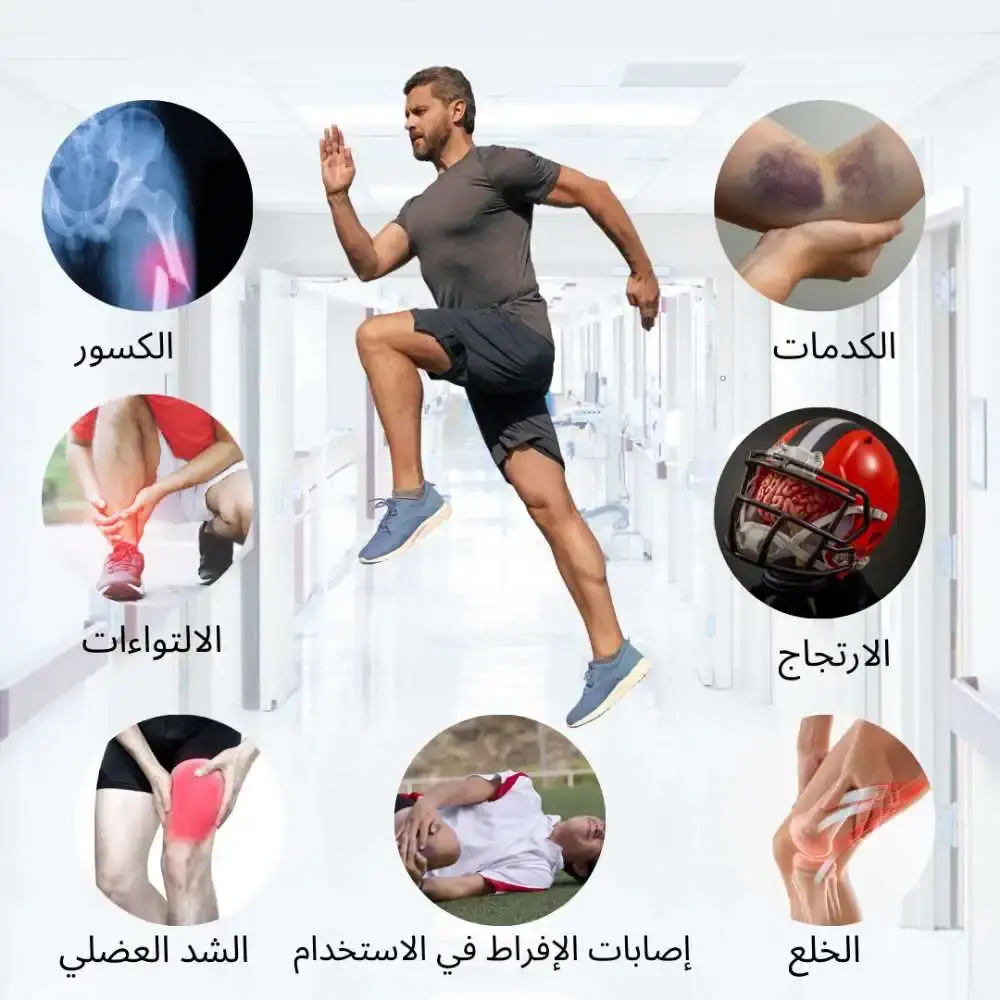
Common sports injuries include:
-
Sprains and ligament injuries.
-
Muscle strains and tears.
-
Knee injuries.
-
Ankle injuries.
-
Shoulder injuries.
-
Tendon inflammation.
-
Cartilage injuries.
-
Fractures and injuries caused by falls or physical contact.
Treatment varies according to the type, severity, and location of the injury, as well as the athlete's specific sport and activity level.
What Causes Sports Injuries?
Sports injuries can result from several factors and do not necessarily require a major accident.
Common causes include:
-
Inadequate warm-up before exercise.
-
Increasing training intensity too quickly.
-
Repetitive stress on muscles and joints.
-
Incorrect exercise technique.
-
Insufficient rest and recovery.
-
Returning to sports after a previous injury without proper rehabilitation.
-
Physical contact or falls during sports.
Proper training and injury prevention are therefore important parts of maintaining athletic performance.
Knee Injuries in Athletes
The knee is exposed to significant stress during many sports, particularly activities involving running, jumping, and frequent changes in direction.
Knee injuries may include:
-
Ligament injuries.
-
Cartilage injuries.
-
Tendon inflammation.
-
Bruising.
-
Certain muscle and soft-tissue injuries around the knee.
Proper assessment is important to determine the source and severity of the problem, especially when swelling, limited movement, or difficulty performing normal activities is present.
Ankle Injuries
Ankle sprains are among the most common sports injuries. They can occur when an athlete changes direction suddenly or lands incorrectly after jumping.
The severity of an ankle sprain can vary considerably. Therefore, returning to sports simply because the pain has decreased may not always be appropriate. Movement, strength, and joint stability should also be adequately restored.
Muscle Strains and Tears
Muscle injuries may occur when excessive force is placed on a muscle or when a sudden movement causes the muscle to stretch beyond its normal capacity.
Symptoms may include pain, swelling, and difficulty using the affected muscle.
The management of a mild muscle strain can differ from that of a significant muscle tear. Determining the severity of the injury is therefore important for developing an appropriate treatment and rehabilitation plan.
When Should a Sports Injury Be Medically Evaluated?
Not every episode of post-exercise soreness requires medical attention. However, certain symptoms should be professionally assessed, especially when there is:
-
Severe or persistent pain.
-
Significant swelling.
-
Difficulty moving a joint.
-
Inability to bear weight on the affected limb.
-
A feeling of joint instability.
-
Severe bruising.
-
A popping sound or sensation at the time of injury.
-
Symptoms that continue despite rest.
Ignoring persistent symptoms and returning to sports too early may increase the risk of reinjury.
The Importance of Early Diagnosis
Early diagnosis helps determine the type and severity of an injury and allows an appropriate treatment and rehabilitation plan to be developed.
The physician may perform a physical examination and, when necessary, recommend imaging or other diagnostic tests depending on the suspected injury.
Pain alone does not always indicate a serious injury, and pain intensity by itself cannot determine the severity of the problem. A complete clinical assessment is therefore important.
Treatment and Rehabilitation After an Injury
Treatment varies depending on the type and severity of the injury. It may include temporary rest, medication when appropriate, physical therapy and rehabilitation, or other interventions determined by the physician.
Rehabilitation aims to gradually restore movement, strength, flexibility, balance, and function while preparing the athlete to return safely to physical activity.
When Can an Athlete Return to Sports?
Returning to sports should not depend solely on whether the pain has disappeared.
In some cases, the athlete must regain adequate muscle strength, range of motion, joint stability, and coordination before returning fully to training or competition.
The timing of the return depends on the type of injury, the body's response to treatment, and the level of physical activity involved.
How Can Sports Injuries Be Prevented?
Several habits can help reduce the risk of sports injuries, including:
-
Performing proper warm-up exercises.
-
Increasing training intensity gradually.
-
Using correct exercise techniques.
-
Maintaining muscle strength and flexibility.
-
Allowing adequate recovery time.
-
Using appropriate sports equipment.
-
Avoiding a return to sports before rehabilitation is complete.
Listening to your body and avoiding continued activity when unusual or persistent pain occurs can also help reduce the risk of certain injuries.
Sports Injury Care with Dr. Ahmed Bassiouny
Dr. Ahmed Bassiouny provides medical assessment and care for sports and athletic injuries, with the treatment and rehabilitation approach determined according to each patient's condition.
Professional assessment is particularly important for athletes who want to return to their sport safely, especially when pain persists or an injury affects movement and athletic performance.
📍 Clinic Address
Business Complex T2, 6th Floor, Apartment 6, El Tayaran Street, opposite the Health Insurance Hospital, Nasr City, Cairo, Egypt.
📞 Phone
Conclusion
Sports and athletic injuries should be managed appropriately from the time symptoms appear, particularly when an injury affects movement or continues for an extended period.
Appropriate care begins with an accurate diagnosis and assessment of the injury, followed by a treatment and rehabilitation plan designed to restore function and support a gradual, safe return to sports.
If you have suffered a sports injury or are experiencing persistent pain after exercise, you can contact Dr. Ahmed Bassiouny to schedule an assessment.