How Often Should Hypertension Patients Check Their Blood Pressure in Winter?
Cold weather can silently raise blood pressure—doctors explain how often to monitor and stay safe.
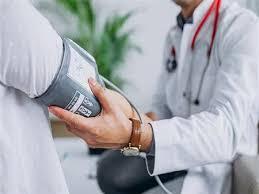
With falling temperatures in winter, people with high blood pressure face an additional health challenge, as cold weather leads to changes in blood vessels and daily lifestyle patterns, which can be reflected in blood pressure readings, making them higher than usual.
Doctors explain that cold weather causes blood vessels to constrict, increasing resistance to blood flow and forcing the heart to work harder. This, in turn, leads to higher blood pressure, especially among patients who are not consistent with their treatment.
Specialists note that many people with hypertension observe higher readings during winter, stressing that neglecting regular monitoring may expose patients to serious complications affecting both the heart and the kidneys.
How often should blood pressure be measured?
Doctors recommend—unless otherwise advised by the treating physician—measuring blood pressure once or twice daily, preferably:
-
Once in the morning before breakfast or taking medication
-
Once again in the evening
Sticking to the same time each day helps in understanding blood pressure patterns accurately and makes it easier for doctors to assess the condition and make appropriate treatment decisions.
The correct way to measure blood pressure at home
To obtain an accurate reading, the following should be observed:
-
Sit comfortably with your back supported
-
Keep both feet flat on the floor without crossing them
-
Relax for 5 minutes before measuring
-
Position the arm at heart level
-
Use an automatic, approved blood pressure monitor
It is also preferable to avoid smoking, drinking coffee, or engaging in physical activity about half an hour before measurement.
Common mistakes to avoid
Doctors warn against excessive monitoring, as measuring blood pressure more than three times a day may result in inconsistent and inaccurate readings. Using unapproved devices or measuring incorrectly can also mislead patients and cause unnecessary anxiety.
When should you see a doctor?
If blood pressure readings remain above the target levels, or if symptoms such as:
-
Dizziness
-
Chest pain
-
Shortness of breath
appear, medical consultation should be sought immediately. Home monitoring does not replace regular medical checkups.
Tips for controlling blood pressure in winter
-
Wear warm clothing and avoid cold air
-
Engage in light exercises indoors
-
Reduce salt intake and processed foods
-
Manage stress through meditation or reading
Regular monitoring and simple lifestyle adjustments can make a significant difference in stabilizing blood pressure and help ensure a safer winter for the heart.

Regular health screening is one of the most important steps to maintain good health and detect diseases early. The essential medical checkups for every age help in preventing complications and ensuring a healthier life.

Many people, after doing medical tests, receive their results and immediately start looking at numbers and unfamiliar terms like (High – Low – Normal) without fully understanding what they actually mean.

When dealing with medical services, many people come across different titles for doctors such as “Specialist” and “Consultant”, which can sometimes create confusion about what each title actually means and how they differ from each other.

Choosing the right time to visit a doctor is not a random decision. It can directly affect how quickly a condition is diagnosed and how effective the treatment will be. Many people delay visiting a doctor or go at the wrong time, which may lead to worsening symptoms or delayed care.
