How to Boost Collagen Levels in Your Body in 30 Days? Simple and Effective Steps
Collagen is vital for healthy skin, hair, and joints. Discover effective ways to enhance its production in just one month.

Collagen is a protein essential for skin elasticity, strong nails, and hair. Its natural production decreases with age, leading to wrinkles, joint discomfort, and other signs of aging.
Effective ways to boost collagen in 30 days:
-
Protein-rich foods: Lean meats, fish, eggs, legumes, and bone broth provide amino acids needed for collagen synthesis.
-
Collagen supplements: Collagen peptides are easily absorbed and stimulate natural collagen production.
-
Increase vitamin C intake: Essential for collagen synthesis, found in citrus fruits, bell peppers, strawberries, and leafy greens.
-
Antioxidants: Protect collagen from damage; found in berries, green tea, and nuts.
-
Avoid excess sugar and refined carbs: Helps prevent collagen fiber damage and maintains skin elasticity.
-
Always use sunscreen: Protects skin from UV rays that accelerate collagen breakdown.
-
Topical retinol and peptides: Stimulate collagen production when applied to the skin.
-
Regular exercise: Improves blood flow, nourishing skin and joints; weight-bearing exercises boost collagen in connective tissues.
-
Good sleep: The body repairs itself and produces collagen during 7–8 hours of nightly sleep.
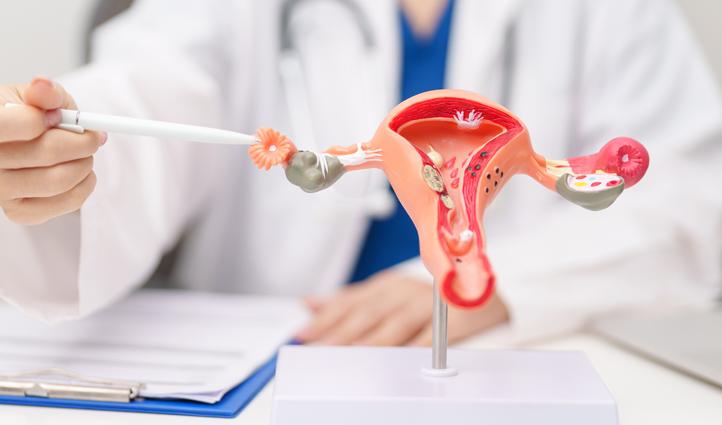
Learn about ovarian cysts, uterine fibroids, and preeclampsia, and the importance of accurate diagnosis and medical follow-up with Dr. Dina Mahfouz, providing specialized obstetrics and gynecology care at her Bitash and Wardian clinics.
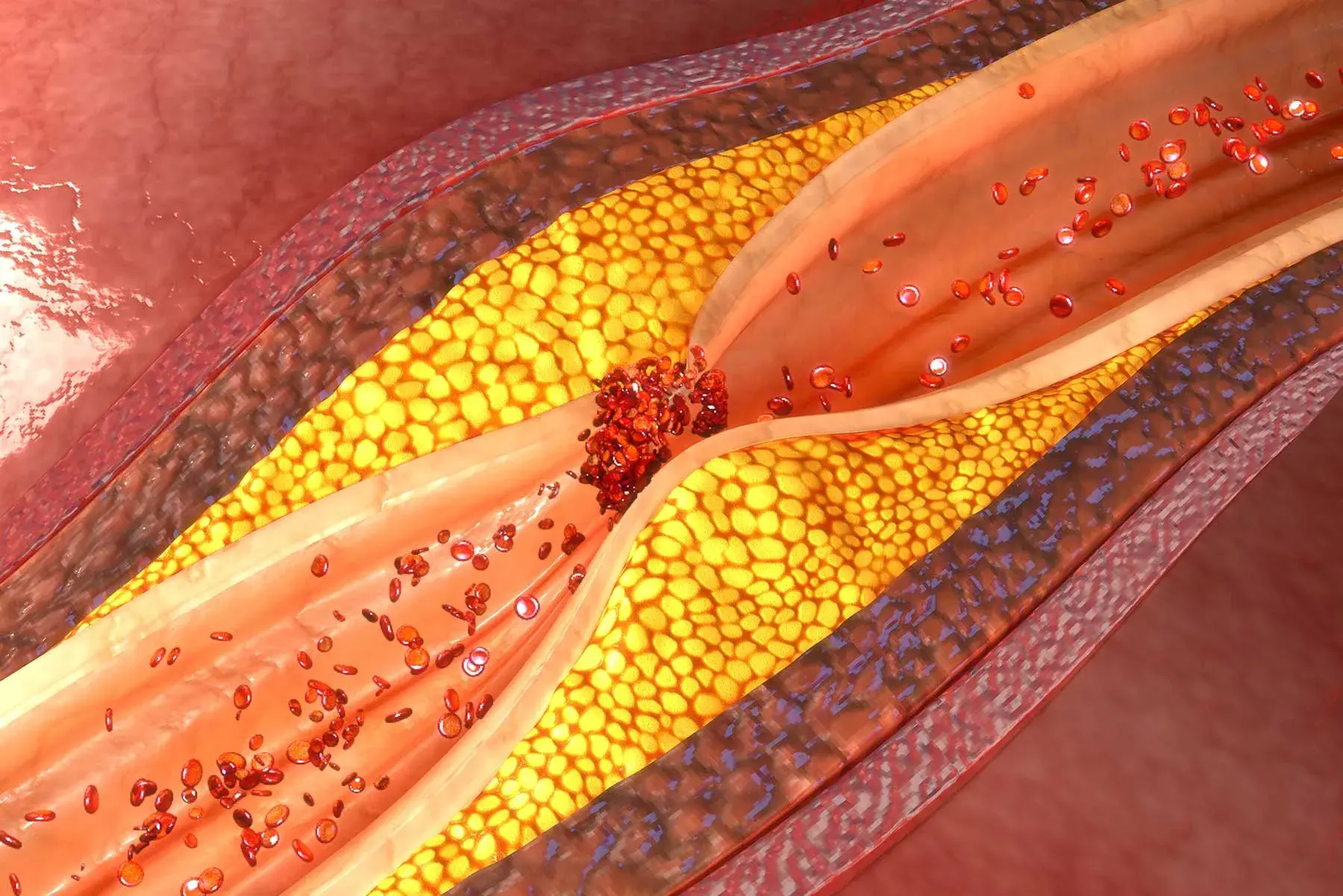
Learn about the causes, symptoms, diagnosis, and treatment of coronary artery insufficiency in Dokki with Dr. Bashir Hafez Mohamed Ali, Consultant Cardiologist and Interventional Cardiologist at the National Heart Institute.
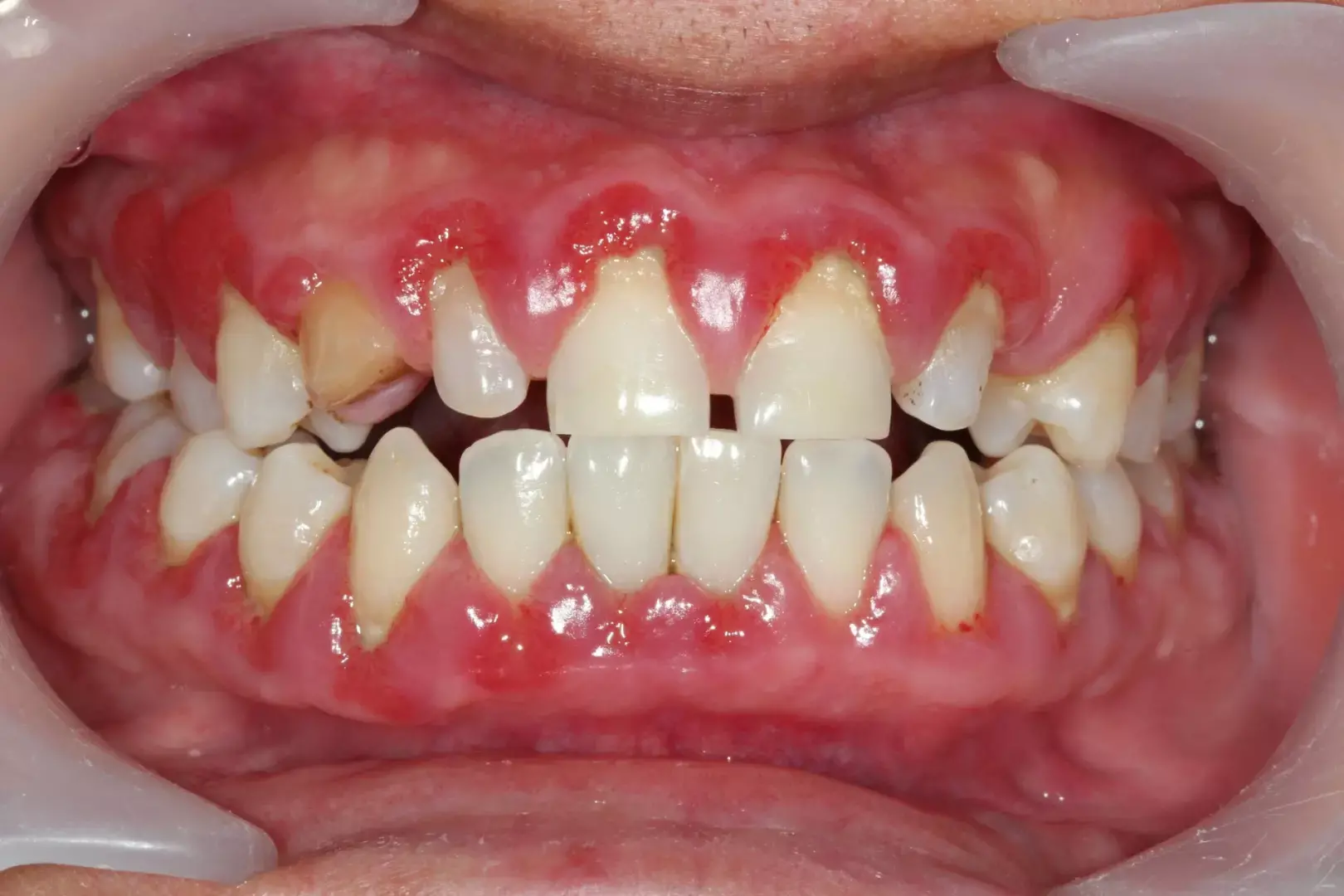
Looking for gum treatment in Mohandessin? Dr. Yasser El-Hawary offers comprehensive gum care, accurate diagnosis, and modern dental treatments with over 25 years of experience.
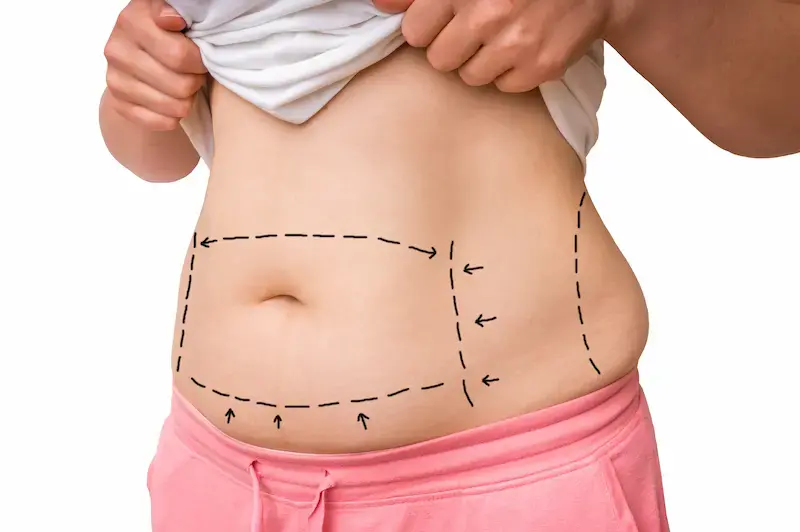
Learn about tummy tuck in Sheikh Zayed at Glamileia Medical Center, including suitable candidates, preparation, recovery, expected results, and important considerations before abdominoplasty.
