Innovative Breath Test Detects Early-Stage Lung Cancer
Researchers at the University of Texas have developed a breakthrough breath test capable of detecting lung cancer with up to 90% accuracy, offering a potential revolution in early diagnosis of the disease.
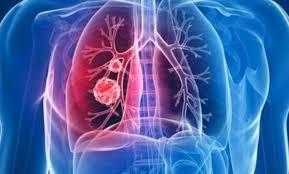
A research team at the University of Texas in Dallas has developed a groundbreaking breath test that enables early detection of lung cancer through a simple breath sample. The disease claims approximately 350 lives daily in the United States, and most cases are diagnosed at advanced stages due to the lack of early symptoms, according to StudyFind.
Current screening methods often rely on low-dose CT scans, which are costly, expose patients to radiation, and carry a high rate of false positives.
The new device uses a highly sensitive biosensor to detect eight biomarkers associated with lung tumors. Patients breathe into a tube connected to a sealed bag, and the sample is analyzed for volatile organic compounds. The data is then processed by an AI system that compares it to a known chemical signature to determine the likelihood of cancer.
In an initial trial involving 67 participants, including 30 confirmed lung cancer patients, the device successfully detected cancer markers with approximately 90% accuracy—a promising result reported by New York Post.
Dr. Prasad, the team leader, stated that the technology could be integrated into routine annual screenings in the future, potentially becoming as standard as blood tests. Dr. Ovideo Diasco added that the device combines advanced chemical analysis with machine learning, enhancing accuracy while reducing costs.
Researchers are continuing to refine the device and conduct larger hospital trials. Meanwhile, the American Cancer Society expects more than 226,000 new lung cancer diagnoses in 2025, with over 124,000 deaths.

Regular health screening is one of the most important steps to maintain good health and detect diseases early. The essential medical checkups for every age help in preventing complications and ensuring a healthier life.
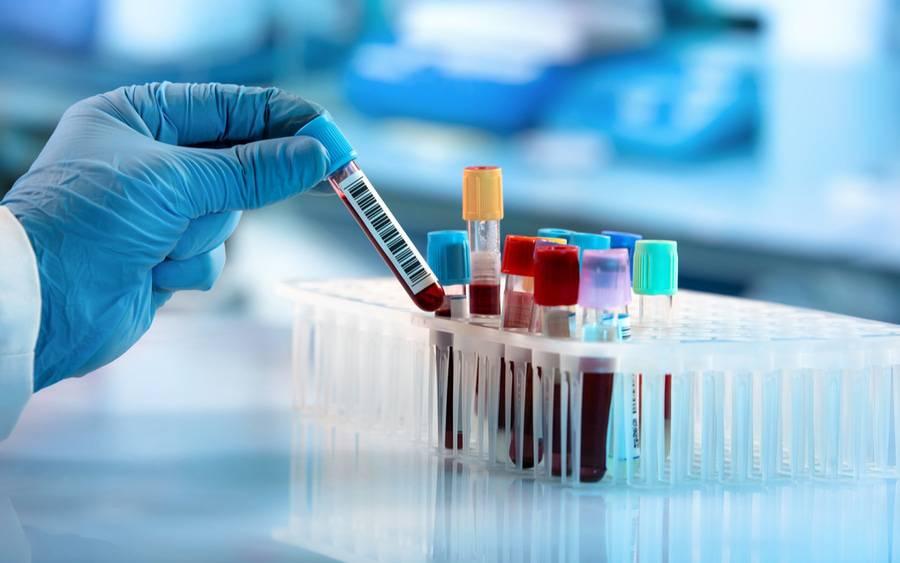
Many people, after doing medical tests, receive their results and immediately start looking at numbers and unfamiliar terms like (High – Low – Normal) without fully understanding what they actually mean.

When dealing with medical services, many people come across different titles for doctors such as “Specialist” and “Consultant”, which can sometimes create confusion about what each title actually means and how they differ from each other.

Choosing the right time to visit a doctor is not a random decision. It can directly affect how quickly a condition is diagnosed and how effective the treatment will be. Many people delay visiting a doctor or go at the wrong time, which may lead to worsening symptoms or delayed care.
