International Concern Over the Spread of Diphtheria After Rising Deaths in 8 African Countries
Diphtheria has re-emerged as a serious health threat after thousands of infections and hundreds of deaths were reported in African countries, raising international alarm over declining vaccination rates.
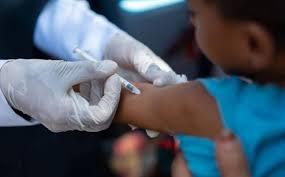
Once believed to be under control, diphtheria has resurfaced as a global health concern, particularly in regions struggling with limited healthcare resources and declining immunization coverage, renewing fears of preventable disease outbreaks.
What Is Diphtheria?
Diphtheria is a highly contagious bacterial disease caused by Corynebacterium diphtheriae. It affects the respiratory system or skin and is dangerous due to a thick gray membrane that can block airways, along with toxins that damage the heart, kidneys, and nervous system, potentially leading to death without prompt treatment.
How Does It Spread?
The disease spreads through coughing, sneezing, or contact with contaminated objects. While some infected individuals show mild or no symptoms, unvaccinated children, the elderly, and people with weakened immunity face severe complications. Patients usually stop being contagious after 48 hours of antibiotic treatment if completed properly.
Types of Diphtheria
-
Respiratory diphtheria: The most common and severe form, affecting the throat and airways.
-
Cutaneous diphtheria: Less common, appearing as skin sores, often in poor sanitary conditions.
Symptoms
Symptoms appear within two to five days and include fever, fatigue, sore throat, difficulty swallowing, hoarseness, swollen neck glands, coughing, and breathing difficulties. Severe cases may cause cardiac and neurological complications.
Vaccination: The Strongest Protection
Vaccination remains the most effective prevention method. Multiple doses and booster shots are required for lasting immunity. In 2023, about 84% of children worldwide received the recommended doses, while 16% remained insufficiently protected.
WHO Warning
The World Health Organization reported over 20,000 suspected cases and 1,252 deaths between January and November 2025 across eight African countries, with a fatality rate of nearly 6%. The organization highlighted shortages of antitoxins and limited healthcare capacity as major challenges.
Pandemic Impact and Disease Resurgence
WHO noted that COVID-19 disrupted routine immunization programs, leaving millions of children vulnerable to vaccine-preventable diseases like diphtheria, stressing that no region is entirely free from the risk if vaccination rates decline.

Regular health screening is one of the most important steps to maintain good health and detect diseases early. The essential medical checkups for every age help in preventing complications and ensuring a healthier life.

Many people, after doing medical tests, receive their results and immediately start looking at numbers and unfamiliar terms like (High – Low – Normal) without fully understanding what they actually mean.

When dealing with medical services, many people come across different titles for doctors such as “Specialist” and “Consultant”, which can sometimes create confusion about what each title actually means and how they differ from each other.

Choosing the right time to visit a doctor is not a random decision. It can directly affect how quickly a condition is diagnosed and how effective the treatment will be. Many people delay visiting a doctor or go at the wrong time, which may lead to worsening symptoms or delayed care.
