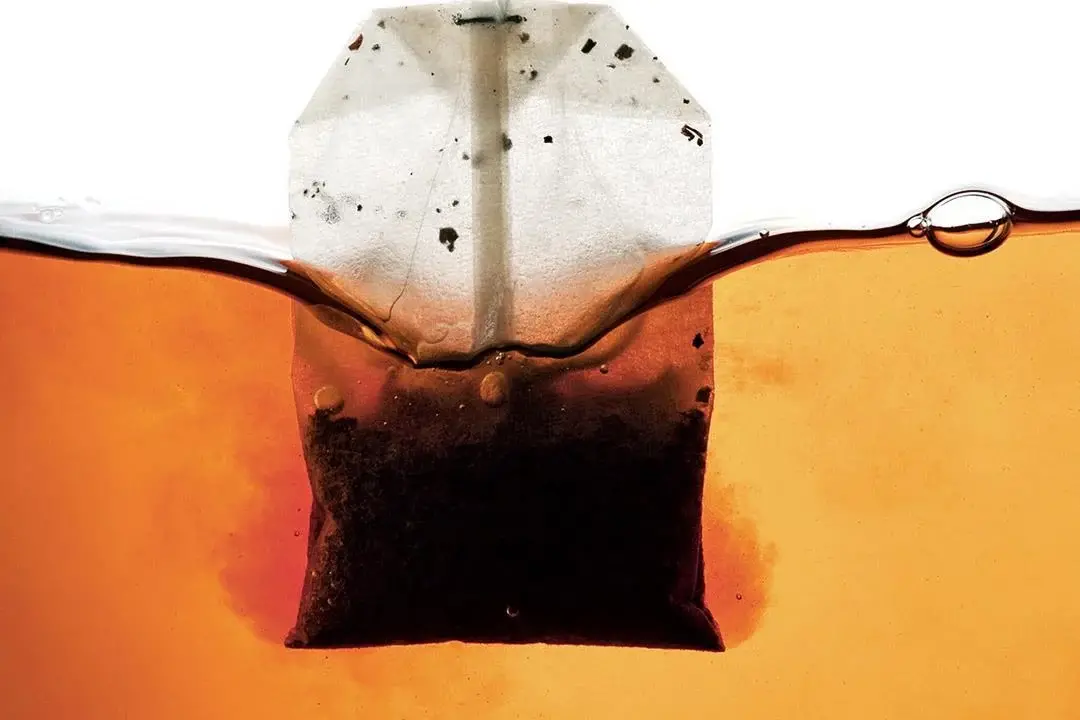

In a daily ritual as simple as sipping a warm cup of tea, science reveals a hidden story unfolding inside the cup. Recent studies suggest that certain tea bags may release tiny plastic particles into hot water, sparking growing concern about their potential impact on human health.
Research indicates that some modern tea bags, particularly those made from materials like nylon or polypropylene, can release large amounts of microplastics when exposed to high temperatures. In some cases, billions of these particles may be released into a single cup, especially when water temperatures reach between 90 and 95 degrees Celsius.
These particles are extremely small—often invisible to the naked eye—but their size is what raises concern. Preliminary studies suggest they may penetrate cells, reach the digestive system, and potentially enter the bloodstream, with possible links to inflammation and hormonal disruption, although conclusive evidence is still under investigation.
Not all tea bags pose the same risk. Traditional paper tea bags are less likely to release microplastics, while mesh or “silk-style” bags are more likely to contain plastic materials. Biodegradable options are generally considered a safer alternative.
To reduce exposure, experts recommend simple steps such as switching to loose-leaf tea, checking product materials before purchase, and avoiding plastic-based tea bags.
Despite these findings, there is no need to stop drinking tea altogether. Tea remains rich in antioxidants and offers various health benefits. However, being mindful of small details—like the type of tea bag used—can contribute to a healthier lifestyle.
For more details and the latest updates, follow Masr Connect