Japanese Study Finds a Modified Vitamin K That May Regenerate Brain Cells
A new Japanese study has discovered that an enhanced version of vitamin K may help reverse brain cell damage caused by Alzheimer’s disease, marking a potential breakthrough in treating neurodegenerative disorders.

In a promising scientific breakthrough, researchers from Shibaura Institute of Technology in Japan have developed a modified form of vitamin K that could help regenerate damaged brain cells — offering new hope for patients with Alzheimer’s disease.
According to the study, current Alzheimer’s treatments mostly target symptom relief rather than addressing the root causes of the disease. The Japanese research team, however, aimed to explore ways to restore or replace damaged neurons.
Vitamin K, long known for its role in blood clotting and bone health, has now been found to possess neuroprotective properties that support brain cell growth and regeneration.
To enhance its effects, the team created 12 laboratory-modified versions of vitamin K and combined them with retinoic acid — an active metabolite of vitamin A known to aid brain development and neural differentiation.
Preliminary results revealed that this innovative combination significantly stimulated the production of new neurons, suggesting a potential therapeutic pathway for treating neurodegenerative diseases such as Alzheimer’s.
The researchers plan to proceed with further animal and human trials to evaluate the safety and long-term effects of these new compounds.
Experts believe this breakthrough could pave the way for a new generation of brain-healing treatments derived from natural and bioengineered vitamins rather than synthetic drugs.

Modern weight loss injections work by using hormones that regulate appetite and reduce feelings of hunger, which helps the body lose weight in a natural and safe way.
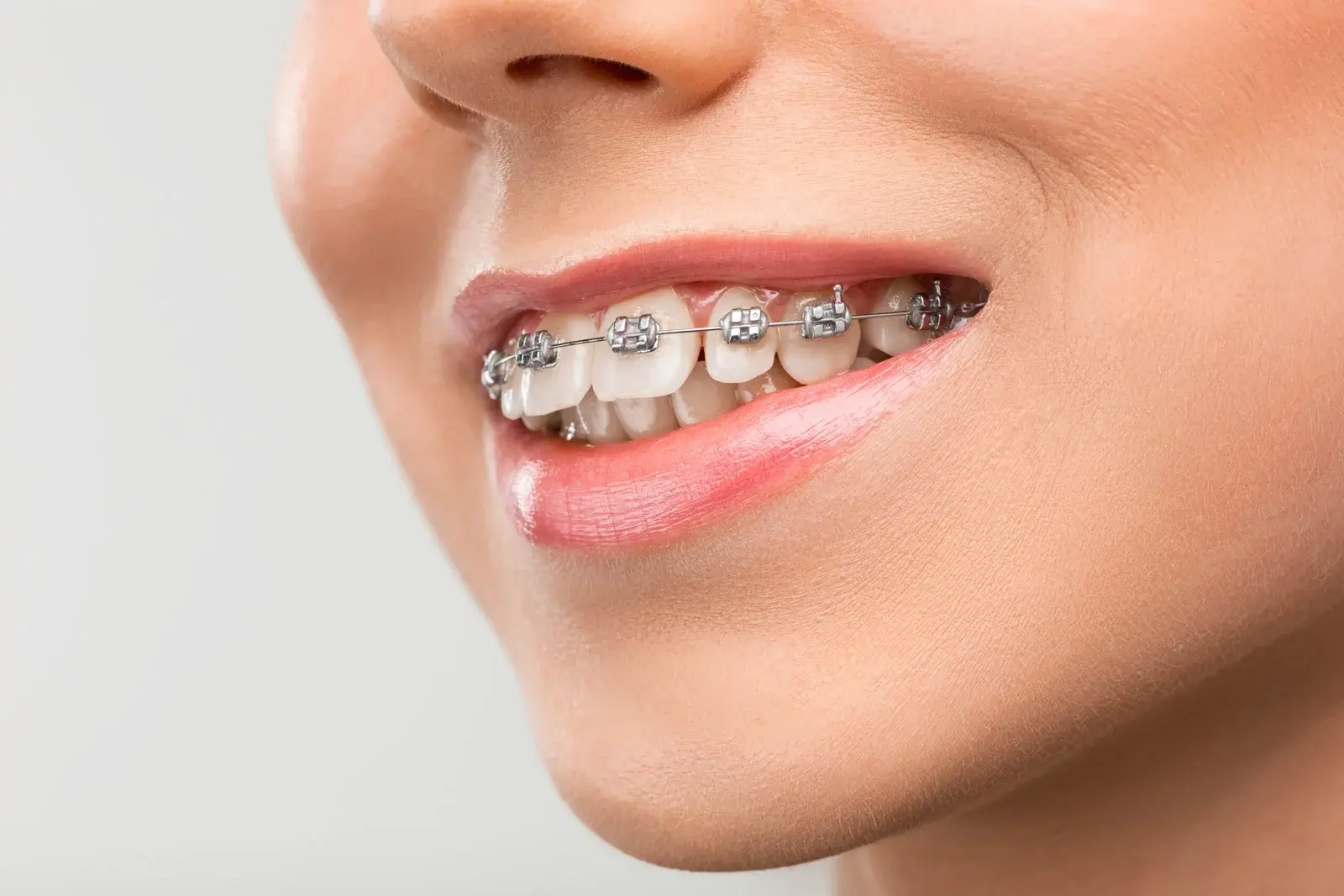
Can your orthodontic results disappear after all that effort? 🤔 Discover why retainers are essential and how to keep your perfect smile for years!
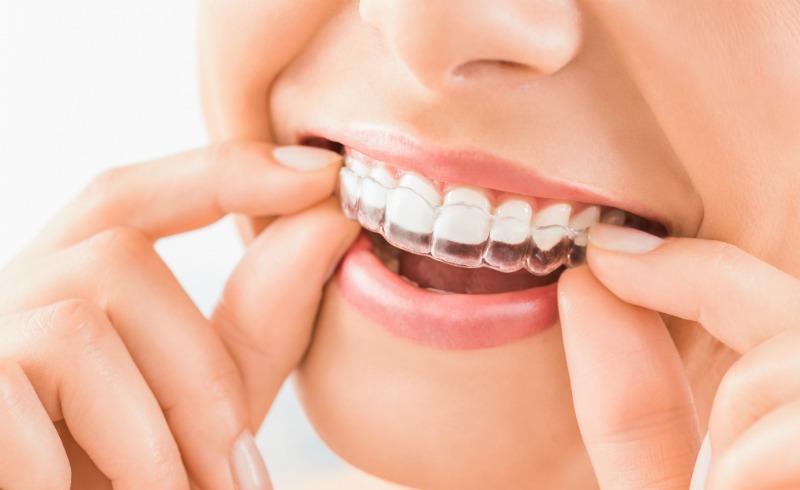
After completing orthodontic treatment, many patients think the journey is over. However, medically speaking, the most important phase begins now: the retainer phase, which is essential to maintain results and prevent teeth from shifting back to their original position.
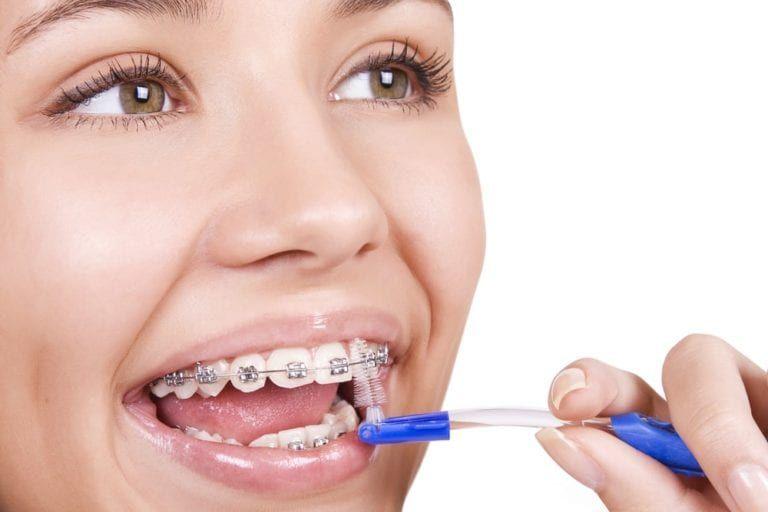
Orthodontic treatment is an important step to improve the appearance and function of teeth and jaws. However, it requires strict adherence to post-placement instructions to ensure treatment success and achieve the best possible results in the shortest time.
