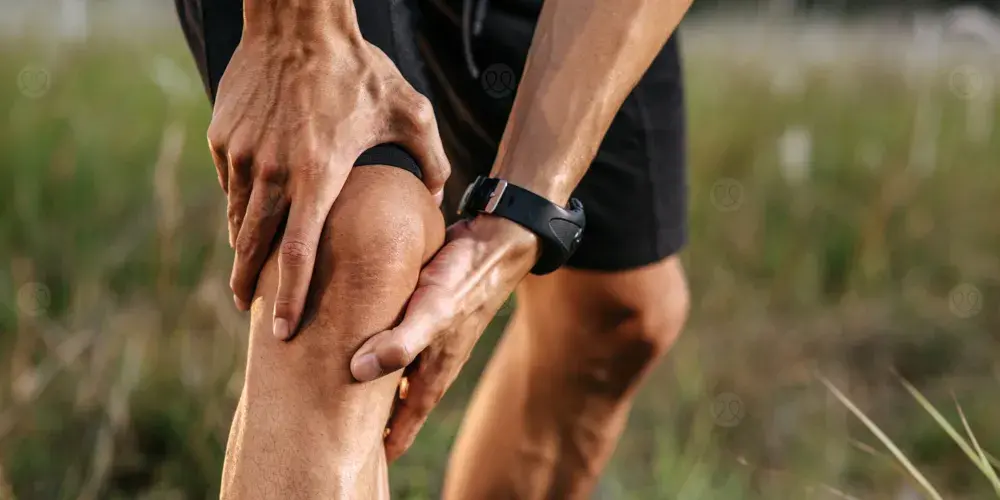

Experiencing some level of joint pain after physical activity is common and usually temporary. In many cases, this discomfort resolves with rest and does not indicate a serious issue. However, persistent or unusual joint pain may signal an underlying condition that requires medical attention.
Normal joint pain typically appears a day or two after increased activity and is often accompanied by mild stiffness or soreness, especially in major joints such as the knees and shoulders. This type of pain generally does not interfere with daily activities and tends to improve gradually over time.
Home management strategies can help relieve short-term joint pain. These include resting the affected joint, applying ice packs for 10–15 minutes several times a day, performing gentle stretching exercises, and using anti-inflammatory medications if appropriate for the individual’s health condition.
However, certain symptoms should not be ignored and may require consultation with a healthcare professional. These include pain lasting for several weeks without improvement, noticeable swelling, redness or warmth in the joint, reduced range of motion, or a feeling of instability. Pain that begins immediately after an injury, such as a sudden twist or pop in the knee, is also a warning sign.
Common joint injuries include arthritis flare-ups, tendon inflammation due to overuse, and ankle sprains. In more severe cases, injuries may involve torn ligaments or tendons, as well as fractures resulting from falls or accidents.
Preventive measures play a key role in maintaining joint health. These include warming up with stretching exercises before physical activity, applying ice after exertion, gradually increasing activity levels to avoid overuse, and maintaining a balanced diet that supports bone and joint health.
Recognizing early warning signs and responding appropriately can help prevent complications and preserve joint function over the long term.
For more details and the latest updates, follow Egypt Connect