
Kidney and Ureter Stone Treatment in El Shorouk | Dr. Osama El-Gendy Clinics
Kidney and ureter stones are common urinary tract problems that may cause pain in the side or lower back, sometimes spreading to the lower abdomen or groin. Kidney and ureter stone treatment depends on the stone's size and location, whether it obstructs urine flow, and its effect on kidney function. Dr. Osama El-Gendy Clinics for Urology and Andrology provides a point of contact for patients seeking an assessment of urinary symptoms and discussion of appropriate medical options based on examination and diagnostic findings.
Dr. Osama El-Gendy Clinics: Contact Information
📍 Address: Urology and Andrology Clinic, El Shorouk City, Cairo, Egypt.
📞 For appointments and inquiries:
01034112315
01151510558
What Are Kidney and Ureter Stones?
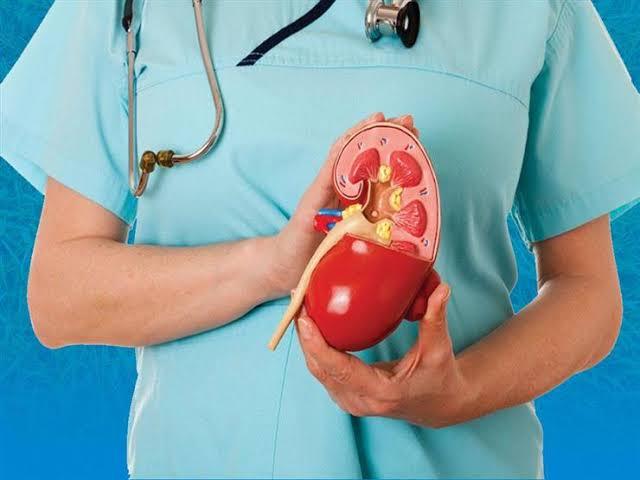
Kidney stones are hard deposits formed from minerals and salts found in urine. Their size and composition vary from one person to another. A stone may remain in the kidney without causing symptoms, or it may move into the ureter, the tube that carries urine from the kidney to the bladder.
Ureter stones can obstruct urine flow to varying degrees and may cause severe pain. Their effects depend on their size, position, and the extent of any blockage.
Not every stone requires surgery. Some small stones may pass naturally, while others may require medication or a procedure to break them apart or remove them.
What Are the Symptoms of Kidney and Ureter Stones?
Symptoms vary according to the stone's size and location and whether it interferes with urine flow. Possible symptoms include:
-
Pain in one side of the back or below the ribs.
-
Pain spreading to the lower abdomen or groin.
-
Pain that comes in waves and varies in intensity.
-
Blood in the urine, which may appear pink, red, or brown.
-
Nausea or vomiting.
-
Frequent urination or pain during urination.
-
Cloudy or discolored urine.
Small stones may cause no obvious symptoms. Therefore, pain intensity alone cannot reliably determine the size or severity of a stone. Similar symptoms can also occur with other urinary tract conditions, making proper assessment important.
What Causes Kidney and Ureter Stones?
Stones may form when certain substances become highly concentrated in the urine or when the urine does not contain enough substances that help prevent crystal formation. Factors that may increase the likelihood of stones include:
-
Inadequate fluid intake, particularly in hot weather or with increased sweating.
-
High concentrations of certain minerals or salts in the urine.
-
A previous history of kidney stones.
-
Family history or genetic factors.
-
Dietary habits that influence urine composition.
-
Certain medical conditions or medications associated with stone formation.
There is no single cause that applies to every patient. People who experience repeated stones may need an assessment of their individual risk factors.
How Are Kidney and Ureter Stones Diagnosed?
Diagnosis usually begins with reviewing symptoms and medical history, followed by an examination and appropriate investigations.
Urine tests: These may help identify blood, signs of infection, and other findings related to stone formation.
Blood tests: These may be used to assess kidney function and certain minerals or substances associated with stones.
Imaging: Depending on the case, the doctor may request an ultrasound or CT scan to determine the stone's location and size and assess whether it is causing a urinary blockage.
The findings help determine whether a stone may pass naturally or whether medical intervention is needed. Kidney function and associated symptoms also affect how urgently treatment must be considered.
What Are the Treatment Options for Kidney and Ureter Stones?
There is no single treatment that suits every patient. Kidney and ureter stone treatment depends on the stone's size, location, and composition, the presence of obstruction or infection, and the effect on kidney function.
Observation and Medication
The doctor may recommend monitoring certain small stones that are likely to pass naturally, provided there are no complications requiring intervention. Medication may be prescribed to manage pain or nausea. In selected cases, medication may also help some ureter stones pass.
This approach requires medical supervision and appropriate follow-up to confirm that the stone has passed and that there is no ongoing obstruction or deterioration in kidney function.
Extracorporeal Shock Wave Lithotripsy
This procedure uses shock waves delivered from outside the body to break a stone into smaller fragments that can pass through the urinary tract. Its suitability depends on factors such as stone size, location, density, and the patient's medical condition.
Some patients may need more than one session or an additional procedure if the fragments do not pass as expected.
Ureteroscopy and Laser Lithotripsy
A thin endoscope can be passed through the urinary tract to reach a stone. The stone may then be broken apart with a laser or removed using suitable instruments. The doctor determines whether this approach is appropriate according to the stone's position and size, along with the diagnostic findings.
Procedures for Larger Kidney Stones
Some large kidney stones may require procedures such as percutaneous nephrolithotomy. This involves creating a small access route through the back to reach and remove or break the stone. The choice depends on stone size, composition, and the complexity of the case.
These treatment options do not mean that one procedure is best for every patient. The appropriate approach depends on medical assessment, and some cases may require urgent intervention or hospital care.
When Are Kidney or Ureter Stones a Medical Emergency?
Seek urgent medical care if pain in the side or back is accompanied by fever or chills. A urinary obstruction combined with infection can be a medical emergency.
Severely reduced or absent urine output, persistent vomiting that prevents adequate fluid intake, and severe pain that does not respond to prescribed treatment also require urgent assessment. Prompt evaluation is especially important for people with a single kidney or known kidney-function problems.
In these situations, do not delay medical care while waiting for a clinic appointment or rely on drinking fluids alone to resolve the problem.
How Can Recurrent Kidney Stones Be Prevented?
Prevention depends on the type of stone and the factors that contributed to its formation. Depending on the medical assessment, recommendations may include:
-
Drinking an appropriate amount of fluid based on individual health needs.
-
Having a passed or removed stone analyzed when possible.
-
Reviewing dietary habits according to stone type and test results.
-
Managing medical conditions that increase the risk of stone formation.
-
Attending follow-up appointments when stones recur.
Some patients may benefit from specialized urine tests to identify substances that contribute to stone formation. The results can help guide an individualized prevention plan rather than a single diet or approach for everyone.
Kidney and Ureter Stone Treatment at Dr. Osama El-Gendy Clinics in El Shorouk
If you experience pain in your side or lower back, or have symptoms that may be related to kidney or ureter stones, the first step is a medical assessment to identify the cause, determine the extent of the problem, and discuss suitable options.
You can contact Dr. Osama El-Gendy Clinics for Urology and Andrology to inquire about an appointment in El Shorouk City. Treatment decisions depend on the examination, laboratory tests, and imaging findings, as well as the needs of each patient.
📍 Address: Urology and Andrology Clinic, El Shorouk City, Cairo, Egypt.
📞 For appointments and inquiries:
01034112315
01151510558
Conclusion
Kidney and ureter stone treatment depends on the stone's size and location and its effect on urine flow and kidney function. Some cases may be managed with observation and medication, while others may require shock wave lithotripsy, ureteroscopy, or an appropriate procedure for larger stones.
Severe pain accompanied by fever, chills, or absent urine output should not be ignored, as these symptoms may indicate a problem requiring urgent treatment. Timely diagnosis and appropriate follow-up help determine a suitable treatment plan and reduce the risk of recurrence.