
What Are Kidney Stones?
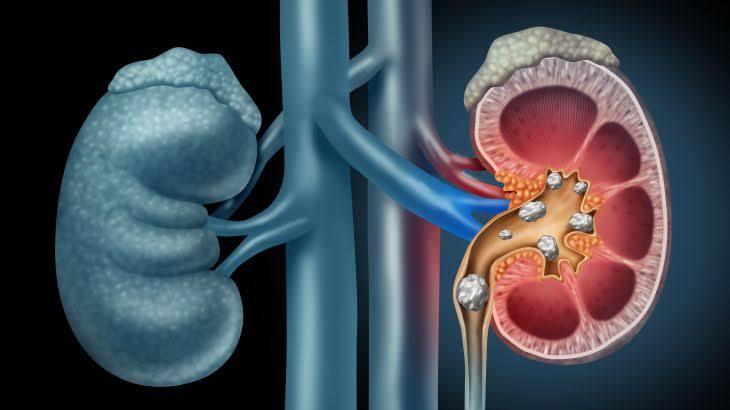
Kidney stones are hard deposits formed from minerals and salts found in urine. They can vary in size, location, and composition.
Some small stones may pass naturally without an invasive procedure, while larger stones can cause obstruction, severe pain, or other complications that require medical intervention.
If you have symptoms of kidney stones or have already been diagnosed with a stone, medical evaluation can help determine its size and location and the most appropriate treatment approach.
📞 For appointments and inquiries with Dr. Emad El-Sarawy: 01227345248
What Are the Symptoms of Kidney Stones?
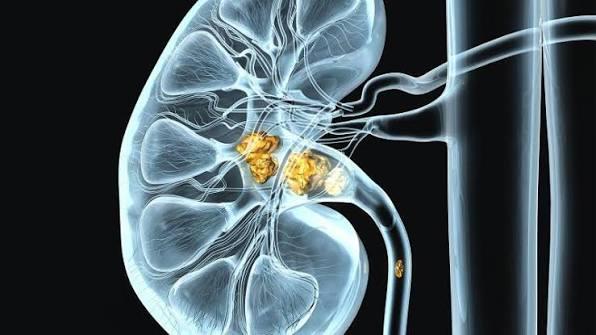
Symptoms vary depending on the size and location of the stone and whether it affects urine flow. Common symptoms include:
- Severe pain in the side or lower back.
- Pain spreading toward the lower abdomen or groin.
- Pain or burning during urination.
- Frequent or urgent urination.
- Blood in the urine.
- Nausea or vomiting.
- Changes in urine color or odor in some cases.
Some kidney stones may cause no symptoms and may be discovered incidentally during imaging.
How Are Kidney Stones Diagnosed?
Diagnosis usually involves reviewing symptoms and performing a medical examination. Depending on the case, the doctor may request imaging and laboratory tests to determine the size and location of the stone.
These may include:
- Urine analysis.
- Blood tests when needed.
- Ultrasound.
- CT scans when appropriate.
- Other imaging based on the medical assessment.
The results help determine whether the stone is likely to pass naturally or requires intervention.
When Do Kidney Stones Require Treatment?
Not every patient with a kidney stone needs an endoscopic procedure. Some small stones may pass naturally with appropriate medical management and follow-up.
Intervention may become necessary or more appropriate when there is:
- A large stone unlikely to pass naturally.
- Persistent or severe pain.
- Urinary obstruction.
- Infection associated with obstruction.
- Impact on kidney function.
- Failure of the stone to pass during follow-up.
- Other medical circumstances requiring earlier intervention.
The appropriate treatment depends on the size and location of the stone and the patient's overall condition.
What Is Kidney Endoscopy?
Kidney endoscopy refers to minimally invasive procedures that use specialized scopes to reach stones in the urinary tract, allowing the stone to be fragmented or removed depending on its size and location.
These procedures can provide access to stones that may be difficult to treat using other methods.
What Is Ureteroscopy and Flexible Kidney Endoscopy?
A thin scope can sometimes be passed through the urinary tract to reach a stone located in the ureter or kidney.
A laser may be used to break the stone into smaller fragments, which can then be removed or allowed to pass naturally depending on the circumstances.
Flexible ureteroscopy and kidney endoscopy can provide access to different areas of the upper urinary tract while avoiding a larger surgical incision.
What Is Percutaneous Nephrolithotomy (PCNL)?
For some large or complex kidney stones, percutaneous nephrolithotomy (PCNL) may be an appropriate treatment option.
The procedure involves creating a small access tract through the skin into the kidney, allowing a specialized scope to reach and remove or fragment the stone.
It is commonly considered for certain large or complex stones where other approaches may be less suitable.
Do All Kidney Stones Require Endoscopy?
No.
The treatment decision depends on several factors, including:
- Stone size.
- Stone location.
- Suspected composition.
- Presence of obstruction.
- Presence of infection.
- Pain severity.
- Kidney function.
- Imaging and laboratory findings.
Therefore, the decision to use an endoscopic procedure should be based on a medical evaluation rather than the presence of a stone alone.
What Is the Difference Between Stone Fragmentation and Endoscopy?
Several treatment options are available for urinary stones, and the appropriate choice depends on the patient's condition.
Shock Wave Lithotripsy:
Shock waves are directed at the stone from outside the body to fragment it into smaller pieces.
Ureteroscopy and Kidney Endoscopy:
A small scope is passed through the urinary tract to reach the stone, and laser energy may be used to fragment it.
Percutaneous Nephrolithotomy:
A small access point is created through the skin into the kidney to remove or fragment certain large or complex stones.
There is therefore no single treatment technique that is suitable for every patient.
Is Kidney Stone Endoscopy Painful?
Kidney stone endoscopic procedures are performed under appropriate anesthesia, so the patient does not experience the procedure itself in the usual way.
Temporary symptoms may occur afterward, including mild discomfort or an increased urge to urinate, particularly if a ureteral stent has been placed. Recovery varies from one patient to another.
Is a Stent Needed After Stone Endoscopy?
A Double J ureteral stent may be placed after certain stone procedures.
The decision depends on factors such as the procedure performed, the condition of the ureter, swelling, obstruction, and other clinical considerations.
The doctor will determine when the stent should be removed or replaced based on the patient's condition.
How Can Kidney Stones Be Prevented From Returning?
Treatment of a kidney stone does not always eliminate the possibility of future stones. Some people are more likely to develop recurrent stones.
General measures that may reduce the risk include:
- Drinking an adequate amount of water throughout the day.
- Treating urinary tract infections when present.
- Following a balanced diet.
- Limiting excessive salt intake.
- Managing medical conditions associated with stone formation.
- Having appropriate testing when stones recur.
Dietary recommendations may differ depending on the type and composition of the stone.
When Should You Seek Urgent Medical Attention?
A kidney stone accompanied by certain symptoms may require prompt medical evaluation, particularly:
- Severe or persistent pain.
- Fever or chills.
- Repeated vomiting.
- Significant difficulty urinating or inability to urinate.
- Visible blood in the urine.
- Symptoms suggesting infection or urinary obstruction.
Prompt evaluation is particularly important when infection and urinary obstruction occur together.
Dr. Emad El-Sarawy for Kidney Stones and Endoscopy in Dokki
If you have kidney or ureteral stones and need an evaluation to determine whether medication, stone fragmentation, or an endoscopic procedure is appropriate, you can contact Dr. Emad El-Sarawy to schedule an appointment.
📞 Phone & Booking: 01227345248
📍 Clinic Address:
45 Dokki Street – Dokki Square
Fourth Floor – Above Farghaly Juice
Dokki – Cairo, Egypt
Frequently Asked Questions
Does a small kidney stone require endoscopy?
Not necessarily. Some small stones can pass naturally, depending on their size, location, and the patient's condition.
Is endoscopy better than lithotripsy?
There is no single method that is best for every patient. The choice depends on the stone's size, location, composition, and the patient's medical condition.
When is kidney endoscopy recommended?
It may be considered when a stone is unlikely to pass naturally, causes obstruction or persistent pain, or when other clinical factors make intervention appropriate.
Can kidney stones be removed with a laser?
Yes. Laser energy can be used during ureteroscopy or kidney endoscopy to fragment many types of urinary stones, depending on their location and size.
Can kidney stones come back after treatment?
Yes. Some people are prone to recurrent stones, making prevention and follow-up important after treatment.