
🩺 Kidney Stones: Symptoms, Causes & Treatment | Dr. Ahmed Atef
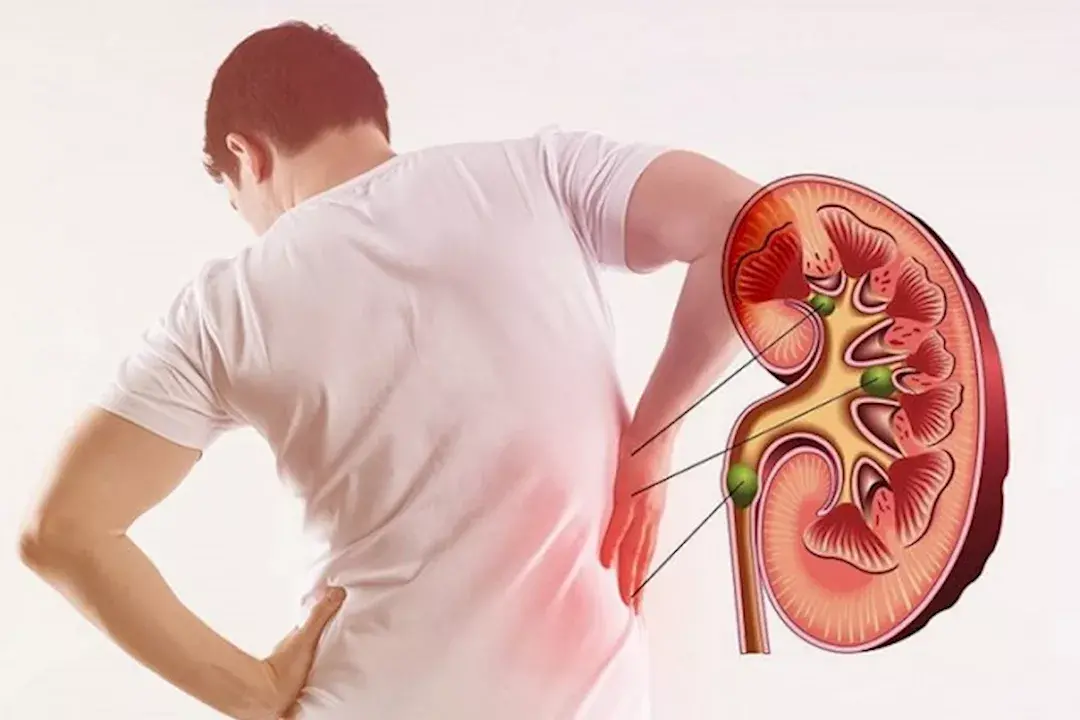
Kidney stones may develop without noticeable symptoms at first, but they can suddenly cause severe pain that spreads from the side or back to the abdomen or groin, especially when a stone moves from the kidney into the ureter. The symptoms of kidney stones and the appropriate treatment options vary depending on the stone's size, location, type, and its effect on urine flow.
When pain attacks become recurrent, blood appears in the urine, or difficulty urinating occurs, an accurate evaluation by a urologist specializing in kidney and urinary tract surgery becomes important to identify the cause and determine the appropriate treatment. Some small kidney stones may pass naturally through the urinary tract, while larger stones or those causing obstruction and severe pain may require medical intervention or a procedure to remove or break them into smaller pieces.
📞 Contact Information for Dr. Ahmed Atef in Mohandessin
Dr. Ahmed Atef Khalaf
Consultant of Kidney and Urological Surgery, Andrology and Male Infertility
📍 Mohandessin Branch
Address: 9 Abdel Hamid Lotfy Street, off El Batal Ahmed Abdel Aziz Street, Mohandessin, Giza.
📍 Faisal Branch
Address: 401 Faisal Main Street, El Talbia Station, Giza, 2nd and 4th floors.
💰 Consultation Fee
EGP 500
🕐 Working Hours
Daily from 6:00 PM to 10:00 PM, except Friday.
📞 Appointment & Inquiry Numbers
🪨 What Are Kidney Stones?
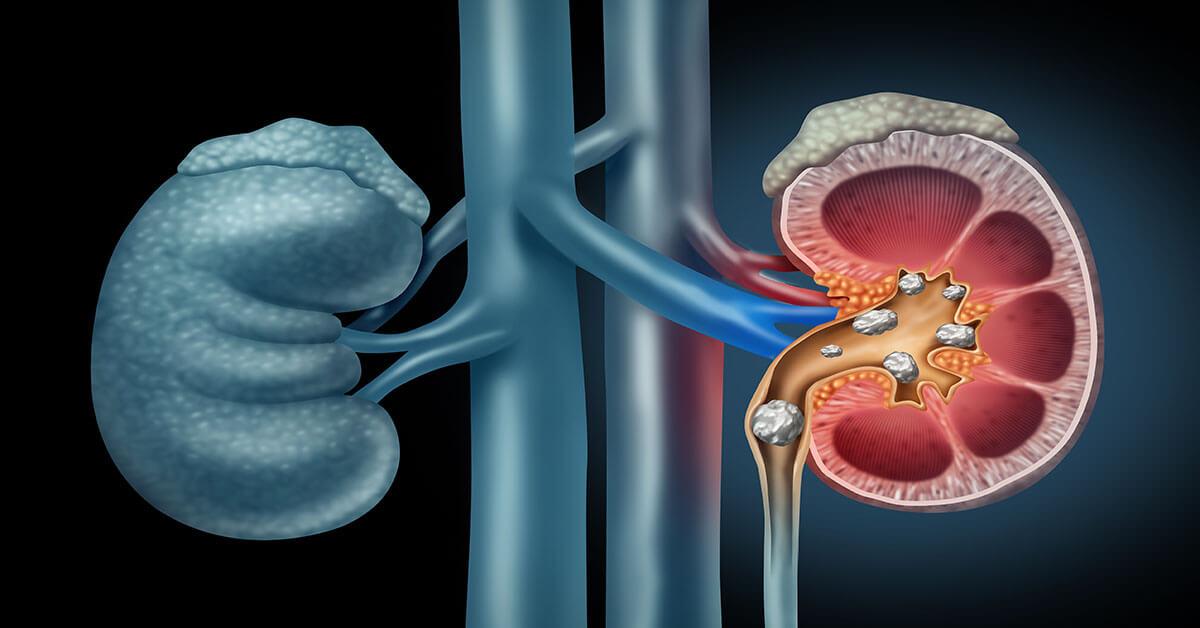
Kidney stones are hard deposits that form inside the kidneys when certain minerals and salts become highly concentrated in the urine. This can lead to the formation of crystals that gradually collect and develop into a kidney stone.
A stone may be very small and cause no symptoms, while a larger stone may move into the ureter, the tube that carries urine from the kidney to the bladder, causing severe pain or blocking the normal flow of urine.
Kidney stones can vary significantly in size. While some stones are tiny and may pass naturally, larger stones may require medical treatment, fragmentation, or removal.
⚠️ What Causes Kidney Stones?
There is no single cause of all kidney stones. Several factors may contribute to their formation. Stones develop when the urine contains high levels of substances that can form crystals, particularly when there is not enough fluid to dilute these substances.
The most common causes of kidney stones include:
💧 1. Not Drinking Enough Water
Insufficient fluid intake can increase the concentration of minerals and salts in the urine, which may increase the risk of kidney stone formation.
Adequate hydration becomes especially important in hot weather, during excessive sweating, or when engaging in physical activity for long periods.
🧂 2. Excessive Salt Intake
A high-sodium diet can increase the amount of calcium filtered by the kidneys, which may increase the risk of developing certain types of kidney stones.
🍖 3. Certain Dietary Habits
Some dietary patterns may increase the risk of certain types of kidney stones, particularly diets that are high in sodium or animal protein.
🧬 4. Genetic Factors
Having a family history of kidney stones may increase the likelihood of developing them. People who have previously had kidney stones may also be more likely to develop them again.
🩺 5. Certain Medical Conditions
Some medical conditions may increase the risk of kidney stones, including certain metabolic disorders, gout, hyperparathyroidism, some digestive conditions, and recurrent urinary tract infections.
💊 6. Certain Medications and Supplements
Some medications and supplements may increase the risk of kidney stones in certain people. Therefore, patients should inform their doctor about all medications and supplements they are taking during medical evaluation.
🚨 What Are the Symptoms of Kidney Stones?
Kidney stone symptoms can vary from one person to another. Small stones may cause no symptoms at all.
Symptoms often begin when a stone moves within the kidney or passes into the ureter.
Common symptoms include:
-
Sudden and severe pain in the side of the back or below the ribs.
-
Pain that spreads from the back or side to the lower abdomen or groin.
-
Pain that comes in waves and may vary in intensity.
-
Pain or burning sensation during urination.
-
Frequent urination.
-
Passing only a small amount of urine.
-
Blood in the urine, which may appear pink, red, or brown.
-
Cloudy or foul-smelling urine.
-
Nausea and vomiting.
-
Fever and chills when an infection is present.
Kidney stone pain may change in intensity and location as the stone moves through the urinary tract.
🔍 Do All Kidney Stones Cause Pain?
No. Some kidney stones can exist without causing symptoms, especially when they are small and do not obstruct urine flow.
However, when a stone moves into the ureter or causes urinary obstruction, it may result in severe pain and noticeable urinary symptoms.
For this reason, evaluating kidney stones does not depend only on the severity of pain. The doctor needs to determine the size and location of the stone and its effect on the urinary system before choosing the most appropriate treatment.
🧪 How Are Kidney Stones Diagnosed?
Diagnosing kidney stones usually involves evaluating the patient's symptoms and medical history, along with a physical examination. Additional tests may be required to determine the stone's location and size and to assess its effect on the urinary system.
The diagnostic process may include:
🩻 Imaging Tests
Appropriate imaging tests may be used to detect kidney stones and determine their location and size.
🧪 Urine Analysis
A urine test can help detect blood and other signs that may indicate an infection or factors associated with stone formation.
🩸 Blood Tests
Blood tests may help assess kidney function and measure certain substances, such as calcium and uric acid, depending on the patient's condition and the doctor's assessment.
🔬 Stone Analysis
If a stone passes naturally or is removed during a procedure, the doctor may recommend analyzing it to determine its composition. Identifying the type of stone can help develop a more appropriate prevention plan.
💊 What Are the Treatment Options for Kidney Stones?
There is no single treatment suitable for every kidney stone case. Kidney stone treatment depends on several factors, including the stone's size, location, type, symptoms, and whether it is causing obstruction or other complications.
💧 Treatment of Small Kidney Stones
In some cases, small kidney stones can pass naturally through the urinary tract without surgery.
The doctor may recommend appropriate fluid intake, pain medication, and in some cases medications that may help facilitate stone passage, depending on the patient's condition.
However, patients should not rely on drinking excessive amounts of water or taking medications without medical advice, especially if there is urinary obstruction, vomiting, or another medical condition.
⚡ Extracorporeal Shock Wave Lithotripsy for Kidney Stones
One treatment option for certain kidney stones is Extracorporeal Shock Wave Lithotripsy (ESWL).
This technique uses shock waves to break the stone into smaller fragments that can subsequently pass through the urinary tract.
The doctor determines whether ESWL is appropriate based on the size, location, and characteristics of the stone, as some stones may be better treated using other procedures.
🔬 Ureteroscopy and Treatment of Ureter Stones
In some cases, ureteroscopy may be used to reach a stone located in the ureter or other parts of the urinary tract. The stone can then be removed or broken into smaller fragments.
The choice of this procedure depends on the stone's location and size, as well as the patient's overall health. Depending on the procedure and medical assessment, some patients may be able to return home on the same day.
🏥 Treatment of Large Kidney Stones
Large kidney stones, stones causing urinary obstruction, severe pain, or certain complications may require more specialized intervention.
One procedure used in selected cases is Percutaneous Nephrolithotomy (PCNL). This technique allows the doctor to access the kidney through a small incision to remove the stone. The stone may also be fragmented into smaller pieces during the procedure.
The urologist determines the most appropriate procedure based on the stone's size, location, and characteristics, as well as the patient's overall condition.
🚑 When Do Kidney Stones Require Urgent Medical Attention?
Certain symptoms associated with kidney stones should not be ignored, especially when they are severe or may indicate urinary obstruction or infection.
Symptoms that require prompt medical evaluation include:
-
Severe or unbearable pain.
-
Pain accompanied by vomiting.
-
Fever or chills.
-
Blood in the urine.
-
Difficulty urinating or inability to urinate.
-
Severe and persistent pain that does not improve.
A stone associated with infection or urinary obstruction may require urgent medical treatment to prevent complications.
🥤 How Can Kidney Stones Be Prevented?
Getting rid of a kidney stone does not necessarily mean that future stones will not develop. Prevention depends on identifying the type of stone and the factors that contributed to its formation.
General prevention measures include:
💧 Drink Enough Water
Maintaining adequate fluid intake helps dilute substances in the urine that can contribute to stone formation.
The appropriate amount of fluid varies from person to person depending on health status, weather, and physical activity. A doctor can recommend an appropriate fluid intake for each individual case.
🧂 Reduce Salt Intake
Reducing sodium intake may help lower the risk of developing certain types of kidney stones.
🍽️ Follow an Appropriate Diet
There is no single diet that is appropriate for everyone with kidney stones. Dietary recommendations vary depending on the type of stone and laboratory test results.
🧪 Identify the Type of Stone
Understanding the chemical composition of a kidney stone can help the doctor develop a more specific plan to reduce the risk of recurrence.
👨⚕️ Dr. Ahmed Atef Khalaf for Kidney and Urological Conditions
Dr. Ahmed Atef Khalaf is a Consultant of Kidney and Urological Surgery, Andrology and Male Infertility. He provides medical evaluation and treatment for various urinary tract conditions, with an emphasis on accurate diagnosis and developing an appropriate treatment plan for each patient.
Dr. Ahmed Atef Khalaf holds a Bachelor's Degree in Medicine and Surgery from Ain Shams University Faculty of Medicine, as well as a Master's Degree in Urological Surgery from Ain Shams University.
His professional memberships include the Egyptian Association of Urology and the American Urological Association, according to his professional profile information.
The evaluation of kidney stone cases involves assessing symptoms and performing the necessary examinations to determine the size and location of the stone and its effect on urine flow, followed by selecting the most appropriate treatment approach for the patient's condition.
📍 Dr. Ahmed Atef Clinic in Mohandessin
If you are experiencing symptoms that may indicate kidney stones or ureter stones, you can book an appointment with Dr. Ahmed Atef Khalaf in Mohandessin.
Mohandessin Branch Address:
9 Abdel Hamid Lotfy Street, off El Batal Ahmed Abdel Aziz Street, Mohandessin, Giza.
Working Hours:
Daily from 6:00 PM to 10:00 PM, except Friday.
Consultation Fee:
EGP 500.
Appointment Numbers:
There is also another branch in Faisal at:
401 Faisal Main Street, El Talbia Station, Giza, 2nd and 4th floors.
❓ Frequently Asked Questions About Kidney Stones
Are Kidney Stones Dangerous?
Not necessarily. Some small stones may pass without intervention. However, stones that cause obstruction, severe pain, or infection may require prompt medical treatment.
Can a Kidney Stone Pass Without Surgery?
Yes. Some small kidney stones can pass naturally through the urinary tract. However, the likelihood of spontaneous passage depends on the stone's size and location. The doctor determines whether observation and conservative treatment are appropriate or whether intervention is required.
What Is the Difference Between a Kidney Stone and a Ureter Stone?
A stone usually forms inside the kidney, but it can move from the kidney into the ureter. When a stone becomes lodged in the ureter, it may cause severe pain or obstruct the flow of urine.
Can Kidney Stones Be Prevented From Recurring?
The risk of recurrence can be reduced by identifying the type and cause of the stone, maintaining appropriate fluid intake, following suitable dietary recommendations, and using preventive medications when prescribed by the doctor.
When Should I See a Urologist?
You should seek medical evaluation if you experience recurrent flank or back pain, blood in the urine, painful urination, or symptoms that may indicate kidney stones. Severe pain accompanied by fever, chills, or difficulty urinating requires urgent medical evaluation.
🩺 Conclusion
Kidney stones are a common urinary tract condition, and their symptoms can vary depending on the stone's size, location, and effect on urine flow. While some small stones may pass naturally, larger stones or those causing obstruction may require fragmentation or removal through an appropriate medical procedure.
Managing kidney stones is not limited to relieving pain. Proper treatment begins with accurate diagnosis, determining the characteristics of the stone, choosing the appropriate treatment option, and developing a plan to reduce the risk of recurrence.
If you are experiencing symptoms of kidney stones or ureter stones, you can contact Dr. Ahmed Atef Khalaf, Consultant of Kidney and Urological Surgery, Andrology and Male Infertility, and book an appointment at the Mohandessin or Faisal branch.
Medical Disclaimer: This information is provided for general educational purposes and does not replace a direct medical examination or professional diagnosis. Patients should not take medications without medical advice or delay medical evaluation when experiencing severe symptoms.