
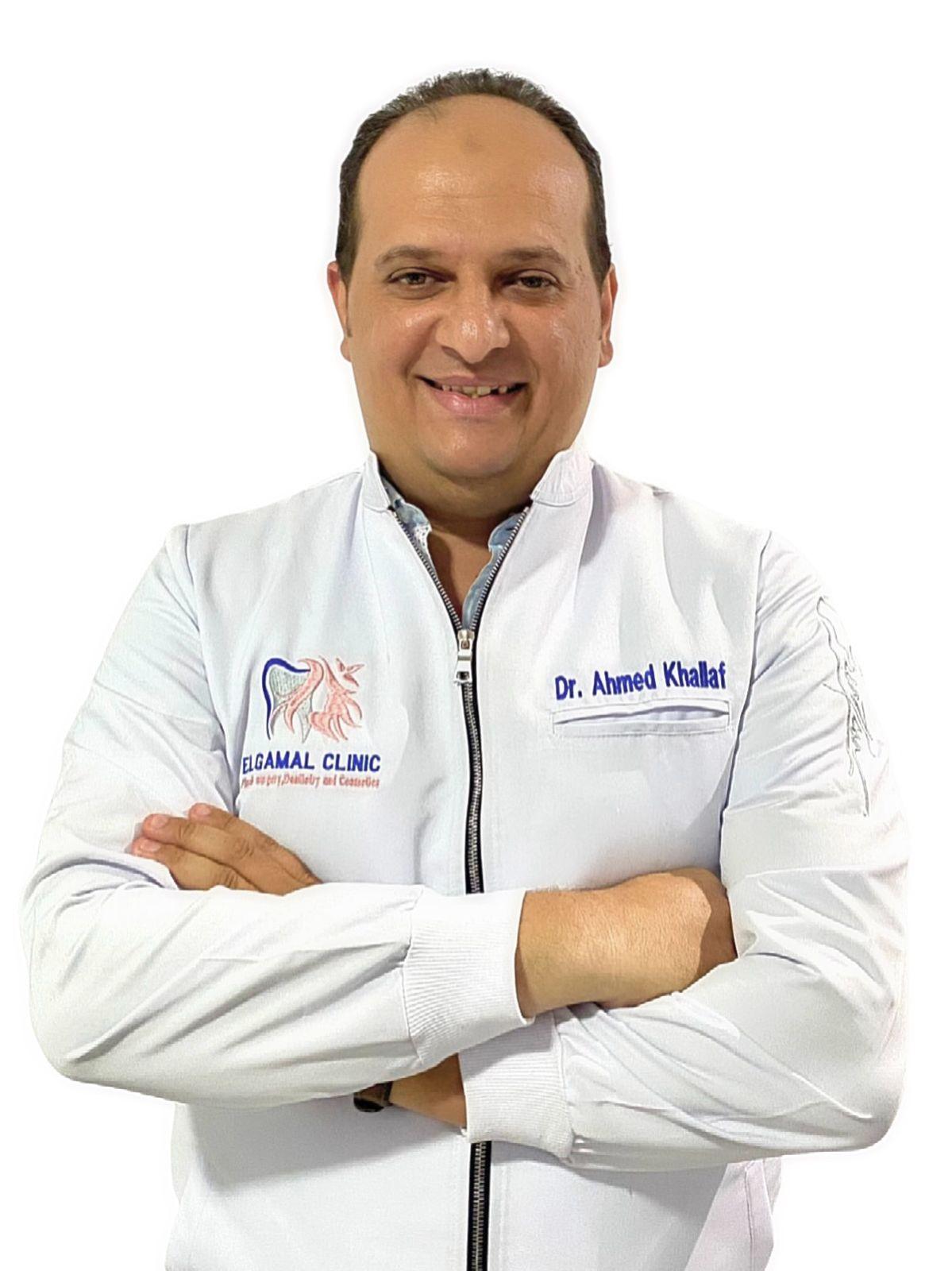
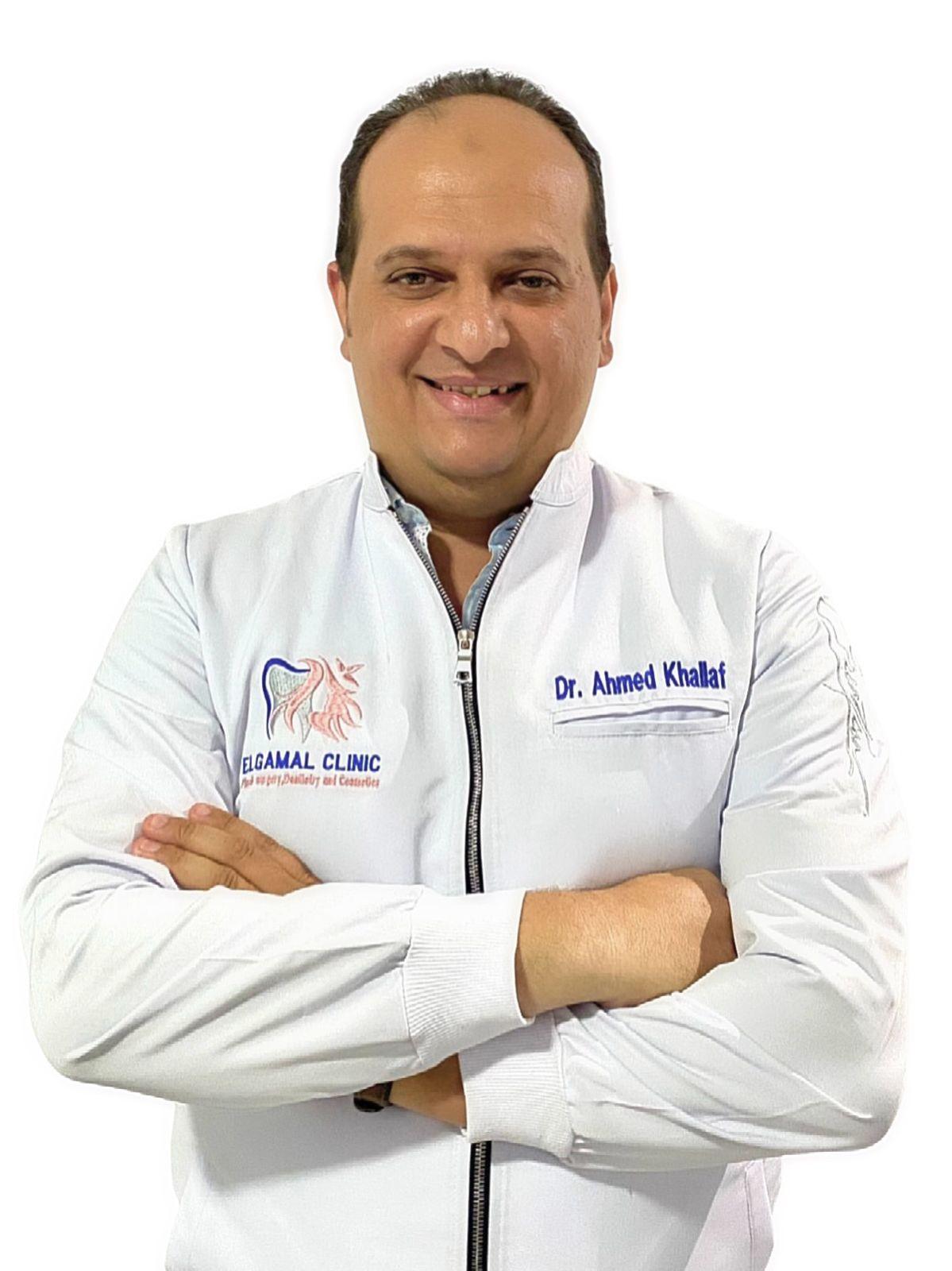
Dr. Ahmed Atef Khallaf
Consultant of Urology, Nephrology, Andrology & Male Infertility
Contact
Available Now9 Abd El-Hamid Lotfy St, branching from El-Batal Ahmed Abd El-Aziz St, Mohandessin, Giza., Mohandisin, Giza
LocationOverview
Diagnosis and treatment of kidney/bladder diseases, laser and endoscopic lithotripsy, erectile dysfunction, and male infertility using advanced clinical protocols.
Description
📌 Clinic Branches & Contacts
- Mohandessin Branch: 9 Abd El-Hamid Lotfy St, branching from El-Batal Ahmed Abd El-Aziz St.
- Faisal Branch: 401 Faisal Main St, El-Talbeyah station, Giza (2nd and 4th Floors).
- Consultation Fee: 500 EGP
- Working Hours: Daily from 6:00 PM to 10:00 PM (except Friday)
- Unified Phone Lines: +201206666199 / +201143477710
Academic Degrees & Credentials
Established experience in university hospitals and leading medical institutes in Egypt
🎓 Academic Degrees
- Bachelor of Medicine and Surgery (M.B.B.Ch.) — Faculty of Medicine, Ain Shams University.
- Master of Urology (M.Sc.) — Ain Shams University.
🏅 Professional Memberships
- Member of the Egyptian Urological Association (EUA).
- Member of the American Urological Association (AUA).
- Active participant in local and international conferences in andrology and urology.
Clinical Specializations & Services
We offer comprehensive urological care, lithotripsy, and advanced male reproductive health therapies
Laser & Endoscopic Lithotripsy
Fragmenting and removing kidney, ureter, and bladder stones using advanced endoscopic instruments and surgical lasers without incisions.
Benign Prostatic Hyperplasia (BPH)
Utilizing modern surgical endoscopies and laser vaporization of BPH tissue to resolve urinary issues and retention in elderly patients.
Andrology & Sexual Dysfunction
Modern diagnostic and therapeutic programs to manage erectile dysfunction, premature ejaculation, and hormonal deficiencies in men.
Male Infertility & Delayed Conception
Semen analysis evaluation, microsurgical varicocelectomy, and medical management of oligospermia and asthenozoospermia to optimize pregnancy rates.
Penile Prosthesis & Testicular Surgery
Performing penile implant surgeries (inflatable and malleable) for refractory impotence, and micro-testicular sperm extraction (Micro-TESE).
Diagnostic Urological Endoscopies
Direct visualization of the urinary tract and bladder to diagnose hematuria or chronic infections, including biopsy sampling and targeted therapies.
Clinical Methodology & Care Philosophy
Attentive medical management observing full patient confidentiality and global recommendations
🌍 Clinic Branches & Addresses
We are pleased to welcome you in our Mohandessin and Faisal branches to deliver close and outstanding care
📍 Mohandessin Branch
Detailed Address: 9 Abd El-Hamid Lotfy St, branching from El-Batal Ahmed Abd El-Aziz St, Mohandessin, Giza.
Phone Contact Numbers:
📞 +201206666199
📞 +201143477710
📞 +20233380881
📍 Faisal Branch
Detailed Address: 401 Faisal Main St, El-Talbeyah station, Giza (2nd and 4th Floors).
Phone Contact Numbers:
📞 +201206666199
📞 +201143477710
📞 +20233931620
Contact Us Now & Book Your Appointment
We are pleased to receive your calls and schedule urology and andrology consultations in our clinic branches.
📞 Booking & WhatsApp Contact Lines
Tags

News & Articles

Learn about Dr. Ahmed Atef Khallaf’s specialized services in diagnosing and treating male health disorders and premature ejaculation through advanced medical approaches and personalized treatment plans to improve men's health and quality of life at Mohandessin and Faisal clinics.

Dr. Ahmed Atef Khallaf offers advanced diagnosis and treatment of kidney stones using the latest laser and flexible ureteroscopy techniques, selecting the most appropriate treatment plan for each patient to ensure optimal results and a faster recovery.
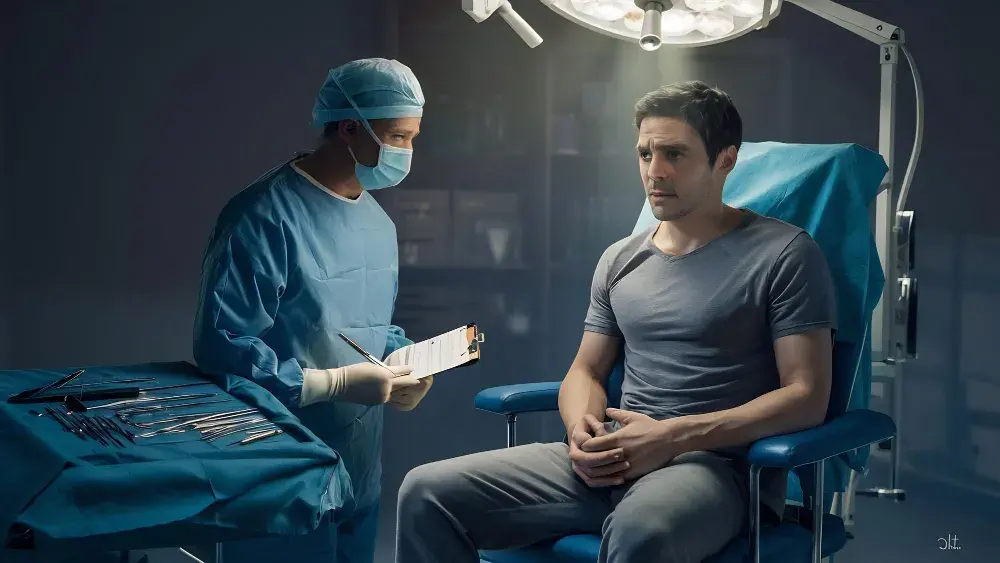
Learn about laser treatment for enlarged prostate in Mohandessin with Dr. Ahmed Atef Khalaf, Consultant of Urology, Andrology and Male Infertility, offering accurate diagnosis and personalized treatment options.
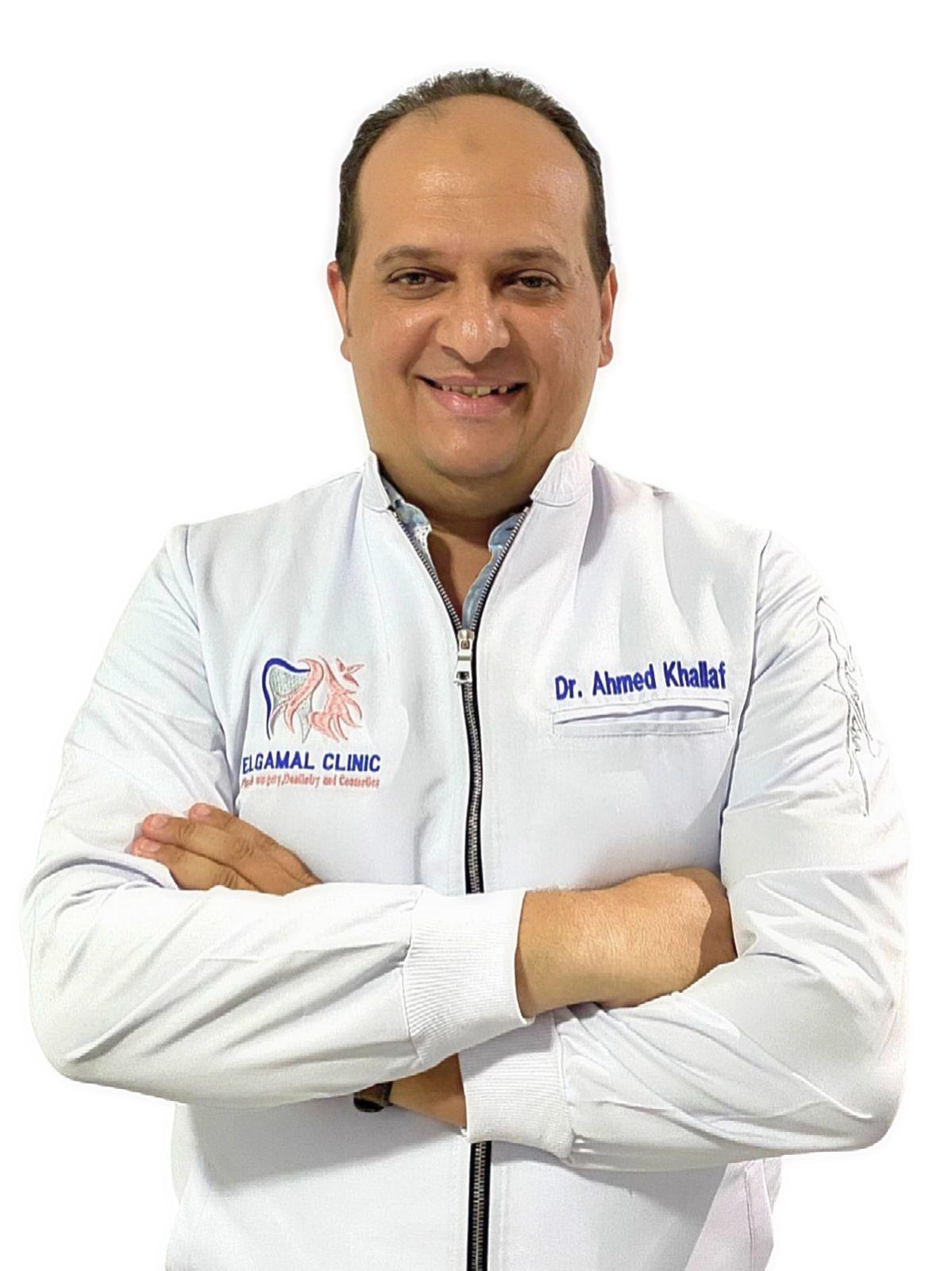
Dr. Ahmed Atef Khalaf is a specialist in urology and andrology, providing specialized medical and surgical services for the diagnosis and treatment of various urinary tract conditions and men's health problems, with a focus on accurate diagnosis and selecting the most appropriate treatment approach for each case.
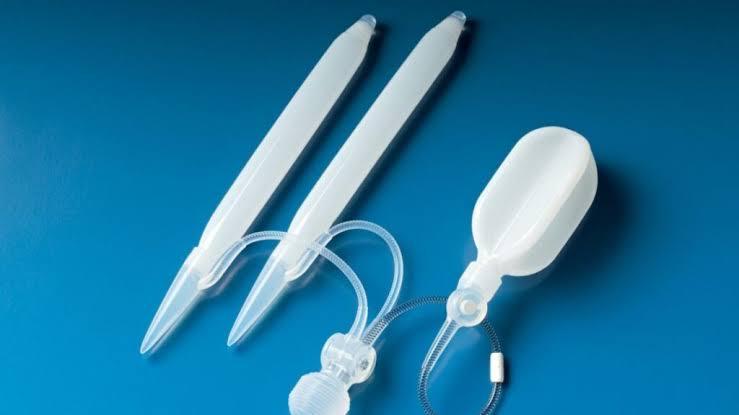
Learn about penile implants and testicular surgery, when surgical treatment may be considered, and the importance of specialized medical evaluation with Dr. Ahmed Atef Khalaf.
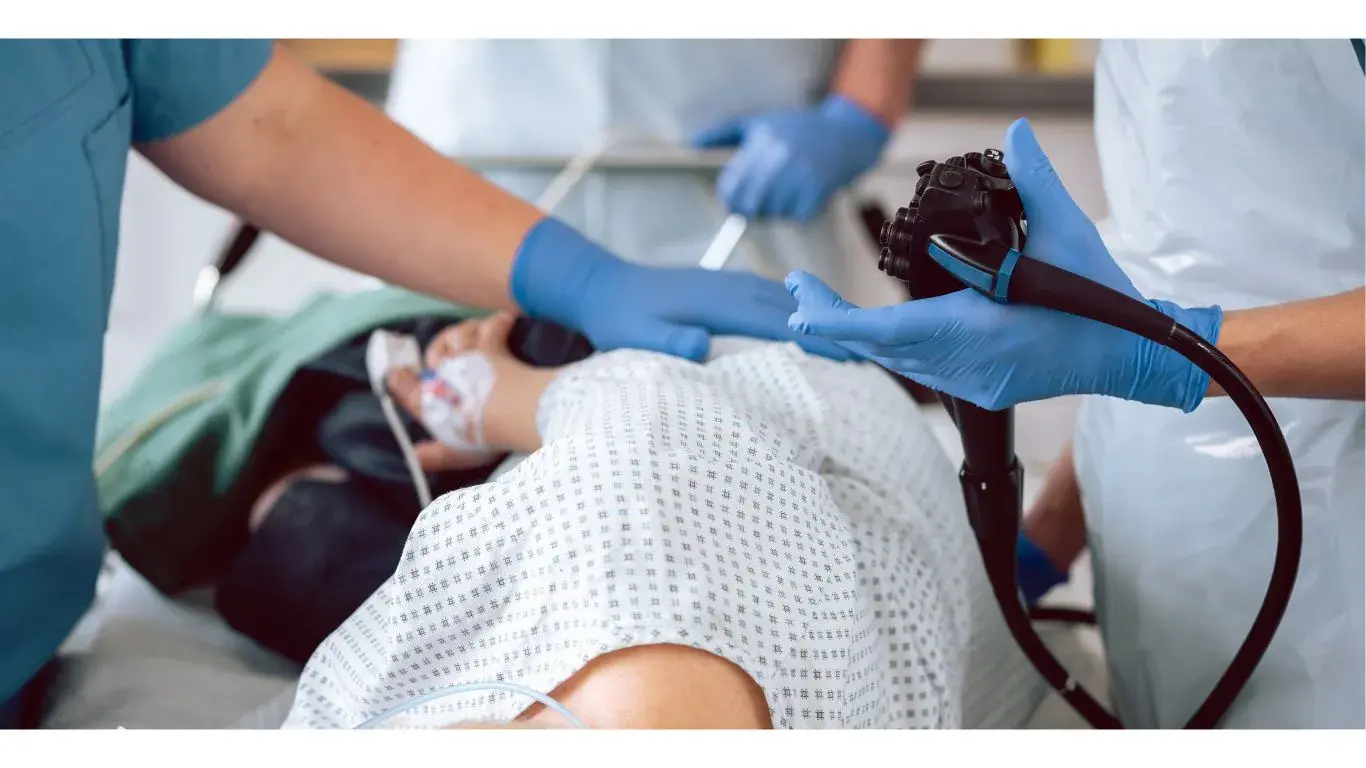
Learn about diagnostic urological endoscopy, when it may be needed, and its role in evaluating bladder and urethral conditions with Dr. Ahmed Atef Khalaf.
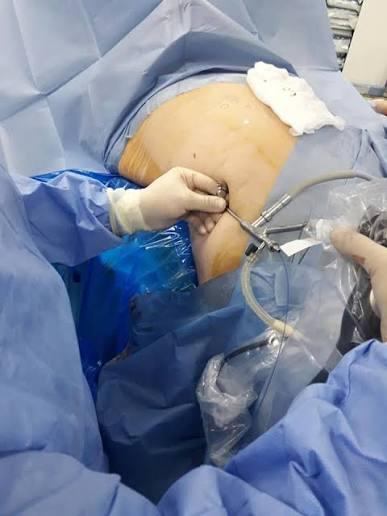
Learn about endoscopic and laser stone fragmentation, how the procedure is performed, its potential benefits, and when it may be recommended by Dr. Ahmed Atef Khallaf.
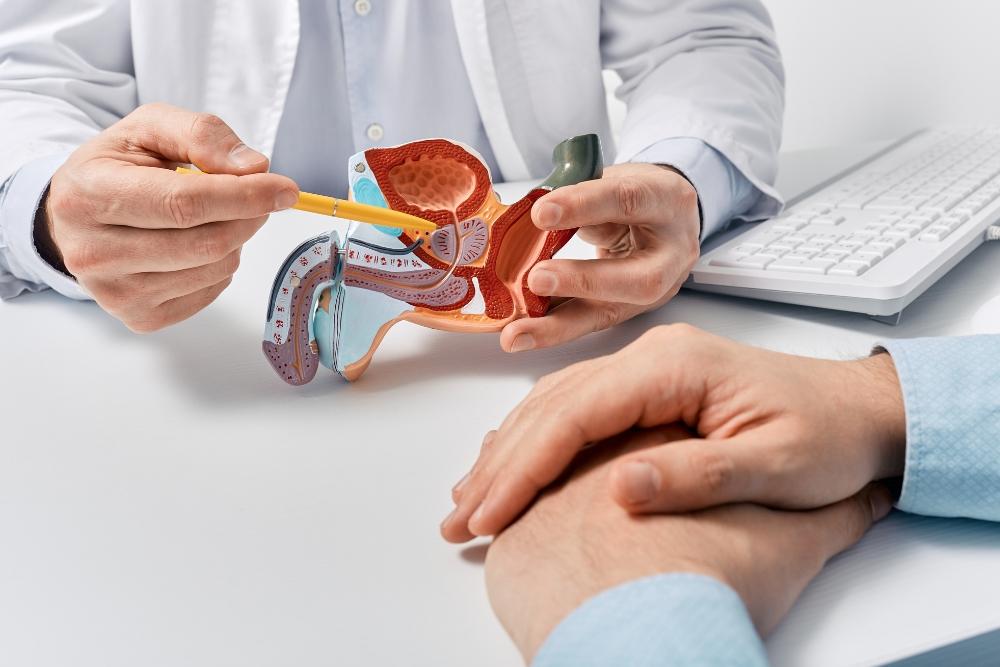
Learn about the symptoms, evaluation, and treatment of benign prostatic hyperplasia with Dr. Ahmed Atef Khalaf, with patients received at the Mohandessin and Faisal branches in Giza.
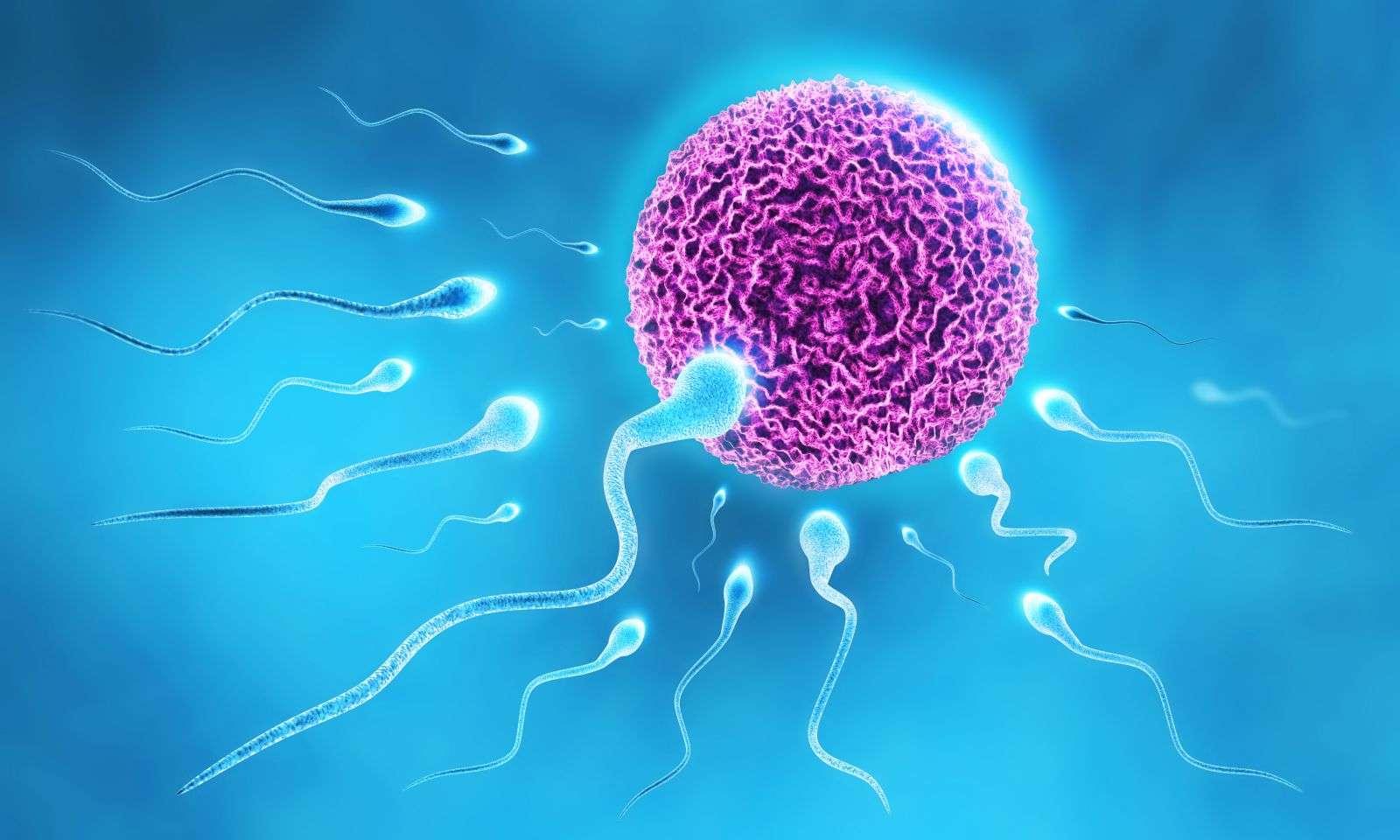
Best male infertility doctor in Mohandessin, Dr. Ahmed Atef is a Consultant of Urology, Andrology and Male Infertility, offering diagnosis and treatment for male infertility, delayed conception and reduced fertility
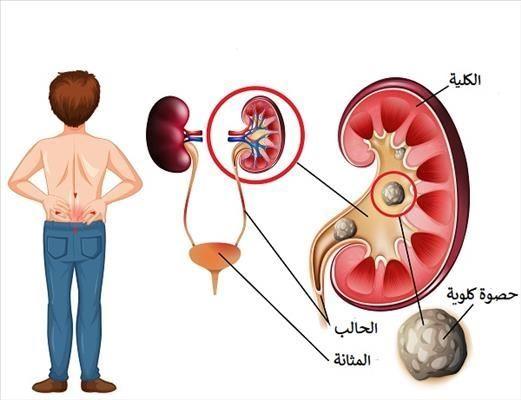
A surgical guide detailing flexible ureteroscopy laser lithotripsy (RIRS) for kidney stones, plasma vaporization of the prostate, and microscopic male fertility microsurgery by Dr. Ahmed Atef Khallaf.
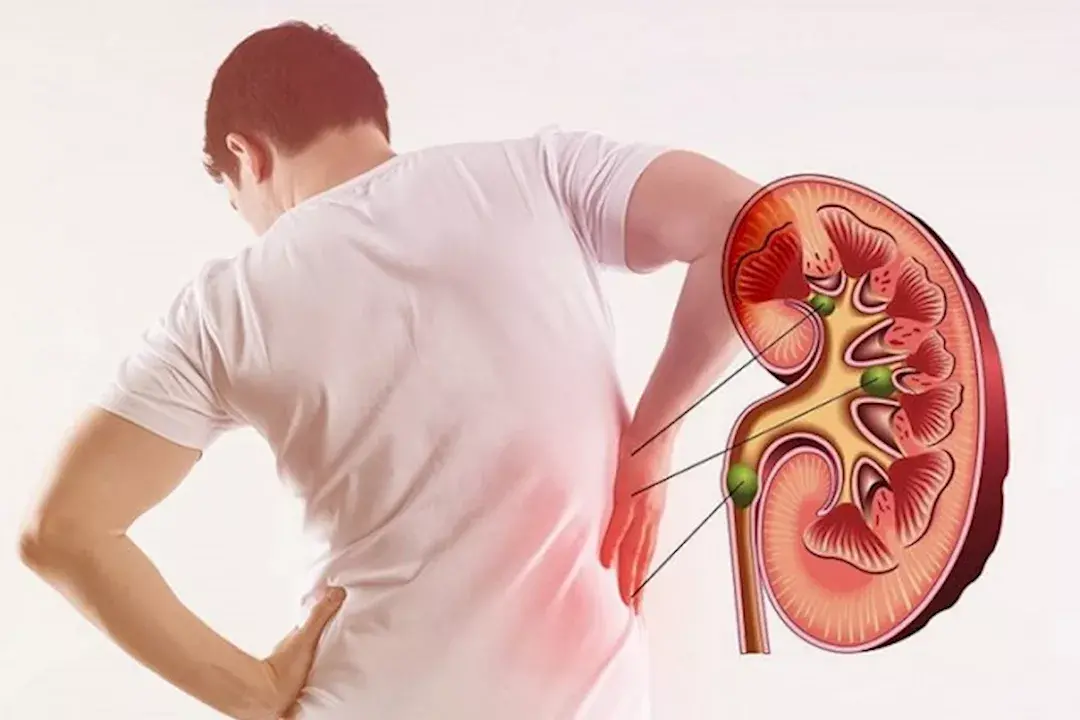
Learn about kidney stones, their symptoms and causes, diagnosis and treatment options, kidney and ureter stones, and when medical intervention may be needed with Dr. Ahmed Atef
الدكتور أحمد عاطف خلاف هو استشاري جراحة الكلى والمسالك البولية وأمراض الذكورة والعقم، ويختص بتشخيص وعلاج أمراض الكلى والمثانة والمسالك البولية، وتفتيت حصوات الكلى والحالب والمثانة بالمنظار والليزر، بالإضافة إلى علاج مشكلات الذكورة والعقم وتأخر الإنجاب لدى الرجال.
حصل الدكتور أحمد عاطف خلاف على:
بكالوريوس الطب والجراحة – كلية الطب، جامعة عين شمس.
ماجستير جراحة المسالك البولية – جامعة عين شمس.
عضوية الجمعية المصرية لجراحة المسالك البولية.
عضوية الجمعية الأمريكية لجراحة المسالك البولية AUA.
المشاركة في المؤتمرات المحلية والدولية المتعلقة بجراحات المسالك البولية والذكورة.
يوضح البروفايل أن الدكتور أحمد عاطف خلاف لديه خبرة عملية واسعة في جراحة المسالك البولية وأمراض الذكورة والعقم، كما عمل لسنوات داخل المستشفيات التعليمية والجامعية، لكن لم يتم تحديد عدد سنوات الخبرة بشكل صريح في البيانات المتاحة.
يقدم الدكتور أحمد عاطف خلاف مجموعة من الخدمات المتخصصة، من أهمها:
تفتيت حصوات الكلى والحالب والمثانة بالمنظار والليزر.
علاج تضخم البروستاتا الحميد.
مناظير المسالك البولية التشخيصية.
علاج ضعف الانتصاب وسرعة القذف.
علاج العقم وتأخر الإنجاب عند الرجال.
تشخيص وعلاج دوالي الخصية.
جراحات الخصية وسحب الحيوانات المنوية.
تركيب دعامات العضو الذكري.
علاج مشكلات قلة عدد الحيوانات المنوية أو ضعف حركتها.
يتخصص الدكتور في علاج العديد من أمراض وحالات المسالك البولية والذكورة، ومنها:
حصوات الكلى والحالب والمثانة.
تضخم البروستاتا الحميد.
صعوبات ومشكلات التبول.
النزيف البولي والالتهابات المتكررة بالمسالك البولية.
ضعف الانتصاب.
سرعة القذف.
اضطرابات الهرمونات لدى الرجال.
دوالي الخصية.
قلة عدد الحيوانات المنوية أو ضعف حركتها.
العقم وتأخر الإنجاب لدى الرجال.
يعتمد الدكتور على مجموعة من الأساليب والتقنيات الحديثة وفقًا للحالة، ومنها:
مناظير المسالك البولية.
تفتيت الحصوات بالليزر.
المناظير الجراحية لعلاج تضخم البروستاتا.
الليزر في علاج وتبخير البروستاتا المتضخمة.
الميكروسكوب الجراحي في علاج دوالي الخصية.
مناظير المسالك البولية التشخيصية.
تقنيات سحب الحيوانات المنوية في بعض حالات العقم.
تركيب دعامات العضو الذكري عند الحاجة الطبية.
للدكتور أحمد عاطف خلاف فرعان لاستقبال المرضى:
فرع المهندسين:
٩ شارع عبد الحميد لطفي، متفرع من شارع البطل أحمد عبد العزيز، المهندسين، الجيزة.
فرع فيصل:
٤٠١ شارع فيصل الرئيسي، محطة الطالبية، الجيزة، الدور الثاني والرابع.
مواعيد العمل: يوميًا من 6 مساءً إلى 10 مساءً، ما عدا الجمعة.
سعر الكشف: 500 جنيه مصري.
يمكن حجز موعد مع الدكتور أحمد عاطف خلاف من خلال التواصل على أرقام العيادة:
01206666199
01143477710
كما يمكن الحجز والاستفسار عبر واتساب، مع إمكانية اختيار الفرع المناسب وتحديد موعد الكشف.
يتميز الدكتور بتخصصه في جراحة المسالك البولية وأمراض الذكورة والعقم، مع الجمع بين علاج أمراض الكلى والمسالك البولية والتعامل مع مشكلات الصحة الإنجابية والجنسية لدى الرجال. كما يعتمد في الحالات المناسبة على المناظير والليزر والتقنيات الجراحية الحديثة، مع الاهتمام بالتشخيص الدقيق ووضع خطة علاجية مناسبة لكل حالة والحفاظ على خصوصية المريض.
Urological surgery is a medical specialty that deals with diseases and issues affecting the urinary system (kidneys, bladder, ureters, urethra) and male reproductive organs (such as the prostate, testes, and vas deferens). This specialty includes a wide range of surgical procedures to treat various problems, such as:
- Kidney stone treatment: Using traditional or advanced surgical techniques such as stone fragmentation with lasers or shock waves.
- Treatment of chronic urinary tract infections: Such as pelvic or bladder infections.
- Correction of congenital defects: Like dilation or defects in the ureters or urethra.
- Prostate tumor removal: Whether malignant or due to benign prostate enlargement.
- Surgical treatment of varicocele: Which can affect sperm production and lead to infertility.
Male infertility can result from a variety of potential causes, some of which are related to problems with sperm production or transport, while others are associated with hormonal or environmental factors:
- Problems with sperm production:
- Low sperm count: A sperm count lower than 15 million sperm per milliliter of semen is considered low.
- Poor sperm motility: Sperm may be unable to swim properly to reach and fertilize the egg.
- Abnormal sperm morphology: Abnormal shapes of sperm can affect their ability to fertilize the egg.
- Blockages in the sperm ducts: Blockages in the vas deferens or other ducts may prevent sperm from reaching the semen.
- Hormonal imbalances: Disorders in testosterone levels or pituitary gland function can affect sperm production.
- Infections: Infections such as orchitis (inflammation of the testes) or prostatitis (inflammation of the prostate) can impact male fertility.
- Varicocele: Enlarged veins in the scrotum can disrupt blood flow to the testes, leading to decreased sperm quality.
- Environmental and lifestyle factors: Smoking, alcohol consumption, obesity, stress, exposure to chemicals or radiation, or excessive heat may all contribute to reduced fertility.
Prostatectomy is a surgical procedure to remove the prostate gland, primarily used to treat the following conditions:
- Prostate cancer: If the cancer is localized within the prostate and has not spread to surrounding tissues.
- Benign prostatic hyperplasia (BPH): A non-cancerous enlargement of the prostate that leads to urinary problems.
- Chronic prostatitis: When the prostate becomes inflamed, causing chronic pain and difficulty urinating.
Prostatectomy techniques include:
- Traditional open surgery: Performed through an incision in the lower abdomen.
- Laparoscopic surgery: Performed using small incisions and a camera to visualize the area being treated.
- Robotic surgery: Involving the use of robotic assistance to reduce the overall size of incisions and improve the precision of the procedure.
Yes, male infertility can be treated depending on the underlying cause. Available treatments include:
- Medications: If there is a hormonal issue, such as low testosterone, or if there are infections, medications can be used to address the cause.
- Surgery: If there is a blockage in the sperm ducts, surgery may be performed to remove the obstruction or correct abnormalities.
- Assisted reproductive technologies:
- In vitro fertilization (IVF): The woman’s egg is retrieved and combined with sperm in the laboratory, then the fertilized egg is returned to the uterus.
- Intracytoplasmic sperm injection (ICSI): A single sperm is directly injected into the egg in cases where the male has sperm production issues.
Kidney stones are solid pieces that form in the kidneys due to the accumulation of minerals. If the stones are large or cause pain, they may be treated by fragmentation. Fragmentation techniques include:
- Extracorporeal Shock Wave Lithotripsy (ESWL): High-frequency sound waves are used to break the stones into small pieces so that they can be expelled through urine.
- Laser fragmentation: In cases where stones are difficult to treat with shock waves, lasers can be used to break the stones inside the kidneys or bladder.
- Surgical fragmentation: In rare cases when other methods are unsuccessful, open surgery may be performed to remove large stones.
Prostatitis occurs when the prostate gland becomes inflamed, and the causes can include:
- Bacterial infection: This may occur due to an infection that spreads through the urethra or bladder.
- Non-bacterial inflammation: Sometimes, there is no bacterial infection, but the prostate may remain inflamed due to causes that are not fully understood, such as nerve stress or issues with the nerves or muscles.
- Chronic prostatitis: In this case, the inflammation may cause persistent pelvic pain and pain during urination.
The diagnosis of male infertility begins with a comprehensive evaluation, which includes:
- Semen analysis: To examine sperm count, motility, and morphology. This analysis is considered the first step in diagnosing male infertility.
- Hormonal tests: To assess testosterone levels and pituitary hormones (such as FSH) that affect sperm production.
- Physical examination: To identify any signs of structural or health problems, such as varicocele or prostatitis.
- Ultrasound examination: To evaluate the testes and surrounding areas to detect issues like varicocele or blockages.
- Genetic tests: In some cases, genetic testing may be conducted to determine if there are hereditary issues affecting fertility.
Surgical treatments for male infertility may include:
- Removal of blockages: If there is a blockage in the sperm ducts or vas deferens, surgery can be performed to remove the obstruction or restore normal connectivity.
- Reconstruction of reproductive vessels: In cases of damage to blood vessels or other structural issues, the vessels may be repaired.
- Sperm extraction from the testes: If sperm is absent from the semen, it can be directly extracted from the testes using techniques such as testicular biopsy or sperm retrieval with a fine needle.
