Laser & Endoscopic Kidney and Ureter Stone Treatment in Mohandessin and Faisal | Dr. Ahmed Atef Khallaf
Learn about endoscopic and laser stone fragmentation, how the procedure is performed, its potential benefits, and when it may be recommended by Dr. Ahmed Atef Khallaf.
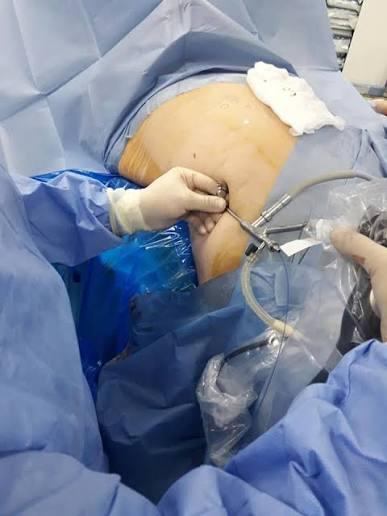
By: Dr. Ahmed Atef Khallaf
Laser and Endoscopic Stone Fragmentation: Benefits and When Is This Procedure Needed? | Dr. Ahmed Atef Khallaf in Mohandessin and Faisal
📞 For appointments and inquiries with Dr. Ahmed Atef Khallaf:
01206666199 – 01143477710
Urinary tract stones are a common medical problem that can cause severe pain and uncomfortable symptoms, particularly when a stone obstructs the flow of urine or moves through the urinary tract. With advances in stone treatment techniques, endoscopic and laser stone fragmentation has become an effective treatment option for many cases, depending on the stone's location, size, characteristics, and the patient's overall condition.
The appropriate treatment method is determined based on an accurate diagnosis, medical evaluation, and imaging results. Therefore, there is no single treatment method that is suitable for every patient with urinary stones.
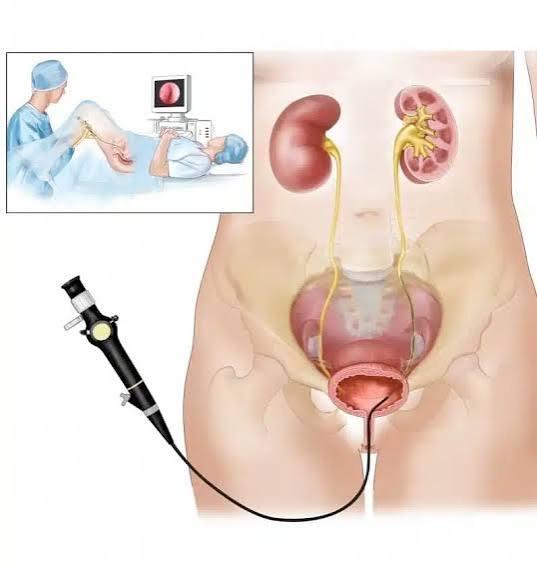
What Are Urinary Tract Stones?
Urinary tract stones are hard deposits that can develop in the kidneys, ureters, or other parts of the urinary system when certain substances in the urine become highly concentrated and form crystals.
Stones can vary in size, location, and composition. As a result, symptoms and treatment options can differ significantly from one patient to another.
Common symptoms may include:
-
Severe pain in the side of the back or lower abdomen.
-
Pain that radiates toward the groin.
-
Burning or discomfort during urination.
-
Increased frequency of urination.
-
Blood in the urine.
-
Nausea or vomiting.
-
Difficulty passing urine in some cases.
Some small stones may pass naturally, while others may require medical intervention.
What Is Endoscopic and Laser Stone Fragmentation?
The procedure involves using an endoscope to reach the stone inside the urinary tract and then using laser energy to break it into smaller fragments.
Depending on the patient's condition, the resulting fragments may be removed using specialized instruments or allowed to pass naturally with urine.
The type of endoscope and technique used depends on the location of the stone, whether it is in the ureter or kidney, as well as its size, number, and characteristics.
How Is Laser Stone Fragmentation Performed?
A suitable endoscope is inserted through the urinary tract to reach the stone. In many cases, this approach avoids the need for a large surgical incision.
Once the stone is reached, the doctor uses laser energy to fragment it into smaller pieces. The resulting fragments may then be removed using specialized instruments, or very small pieces may be allowed to pass naturally through the urine, depending on the doctor's assessment.
The procedure is performed under appropriate anesthesia according to the patient's condition and the type of intervention required.
What Are the Benefits of Endoscopic and Laser Stone Treatment?
When appropriately indicated, endoscopic and laser techniques may offer several potential advantages.
Direct Access to the Stone
The endoscope allows the doctor to reach the stone through the urinary tract, identify its location, and treat it directly.
Laser Fragmentation
Laser energy can be used to break stones into smaller fragments, with the method of managing these fragments depending on their size and location.
Reduced Need for Open Surgery in Some Cases
Endoscopic and laser techniques may allow certain urinary stones to be treated without open surgery, depending on the patient's specific condition.
Treatment of Stones With Different Sizes
Endoscopic and laser techniques can be used for various stone cases. However, the appropriate procedure depends on the size and location of the stone, the number of stones, and the patient's overall health.
Is Laser Stone Treatment Suitable for Every Patient?
No.
The decision to use endoscopic and laser stone fragmentation depends on an accurate medical diagnosis.
The doctor may consider several factors, including:
-
Stone size.
-
Stone location.
-
Number of stones.
-
Presence of urinary tract obstruction.
-
Kidney function and condition.
-
Presence of infection.
-
The patient's symptoms.
-
Imaging and laboratory results.
Based on these factors, the most appropriate treatment approach can be selected.
What Tests May Be Required Before Stone Fragmentation?
A complete evaluation is usually performed before determining the appropriate treatment.
Depending on the patient's symptoms and condition, diagnostic evaluation may include:
-
Urinalysis.
-
Blood tests when necessary.
-
X-rays.
-
Ultrasound.
-
CT scans in selected cases.
The doctor determines which tests are necessary based on the patient's symptoms, medical history, stone location, and stone size.
Can a Stone Pass Without Medical Intervention?
Yes. Some small stones may pass naturally through the urinary tract, particularly when their size and location make spontaneous passage possible.
However, it is not always possible to predict whether a stone will pass naturally without proper medical evaluation.
If a stone causes significant obstruction, persistent severe pain, infection, or fails to pass naturally, medical intervention may become necessary.
When Do Kidney or Ureteral Stones Require Treatment?
Intervention may be recommended when a stone is large, causes urinary obstruction, produces persistent pain, does not pass naturally, or when other factors make active treatment the most appropriate option.
The timing and type of intervention are determined according to the patient's condition and medical assessment.
Can Urinary Stones Return After Treatment?
Yes. Some patients may develop urinary stones again even after the existing stone has been successfully treated.
For this reason, preventing recurrence can be an important part of follow-up care.
Preventive measures may include maintaining adequate fluid intake, following appropriate dietary recommendations, and identifying the composition of the stone whenever possible.
Some patients may also require evaluation to determine whether there are specific factors increasing their risk of developing stones.
When Should You Seek Urgent Medical Attention?
Certain symptoms associated with urinary stones should not be ignored, particularly when the patient experiences:
-
Sudden and severe pain.
-
Fever or chills.
-
Severe difficulty urinating or inability to pass urine.
-
Persistent vomiting.
-
Visible blood in the urine accompanied by other symptoms.
In such situations, urgent medical evaluation should be sought.
Dr. Ahmed Atef Khallaf
Dr. Ahmed Atef Khallaf provides medical evaluation and consultation for patients with urinary tract stones and helps determine the appropriate treatment approach based on the diagnosis, imaging studies, and necessary investigations.
📍 Mohandessin Branch
9 Abdel Hamid Lotfy Street – Off Al-Batal Ahmed Abdel Aziz Street – Mohandessin, Giza.
📍 Faisal Branch
401 Faisal Main Street – El Talbiya Station – Giza – 2nd and 4th Floors.
Conclusion
Endoscopic and laser stone fragmentation has become an important treatment option for many kidney and ureteral stones. It can help break stones into smaller fragments and may allow treatment without open surgery in selected cases.
However, choosing laser and endoscopic treatment depends on an accurate diagnosis, the size and location of the stone, the condition of the kidneys and urinary tract, and the presence of any infection or obstruction.
Therefore, proper medical evaluation before treatment is an essential step in determining the most appropriate approach for managing urinary stones and maintaining the health of the urinary system.
Learn about dental implant services at Al Gaml Specialized Medical Center in Al Talbia, Faisal, including case evaluation and the development of an appropriate treatment plan.

Hollywood Smile and Cosmetic Dentistry Services at Dr. Ahmed Fahd Center in Al-Shaheed Square, Sohag | Book Now Contact: 01101143248

Learn about Dr. Alaa Waheed, a specialist in non-surgical reconstructive aesthetics, and her approach to addressing facial muscles, tissues, and volume loss, along with tissue tightening, non-surgical lifting, and cosmetic injection techniques.
Discover Skin Analysis AI at ElGamal Clinic with Dr. Qamaria Tarek El-Banna, Dermatology and Laser Specialist, for a more detailed assessment of skin concerns such as pigmentation, acne, pores, and changes in skin texture.
