
`
Male Infertility Treatment in Mohandessin | Dr. Ahmed Atef Khalaf
Are you experiencing delays in achieving pregnancy despite regular attempts? Male fertility problems can have several causes, and identifying the underlying issue is an important step toward choosing an appropriate treatment plan. Male infertility treatment in Mohandessin helps couples explore the possible reasons for delayed conception, understand the diagnostic tests they may need, and learn about the available medical options.
Dr. Ahmed Atef Khalaf is a Consultant in Urology, Andrology, and Male Infertility. His specialty includes evaluating male reproductive health problems, urinary tract conditions, and sexual function disorders. A medical consultation can help assess relevant symptoms, review medical history, and determine which examinations or investigations may be appropriate for each individual case.

📞 Contact Dr. Ahmed Atef Khalaf in Mohandessin
- Doctor: Dr. Ahmed Atef Khalaf
- Specialty: Consultant in Urology, Andrology, and Male Infertility.
- Clinic Address: 9 Abdel Hamid Lotfy Street, off El Batal Ahmed Abdel Aziz Street, Mohandessin, Giza, Egypt.
- Phone Numbers: 01206666199 / 01143477710.
- Consultation Fee: EGP 500, according to the supplied clinic information.
- Working Hours: Daily from 6:00 PM to 10:00 PM, except Fridays.
Please contact the clinic before visiting to confirm appointment availability, working hours, and the consultation fee.
🩺 What Are the Causes of Male Infertility?
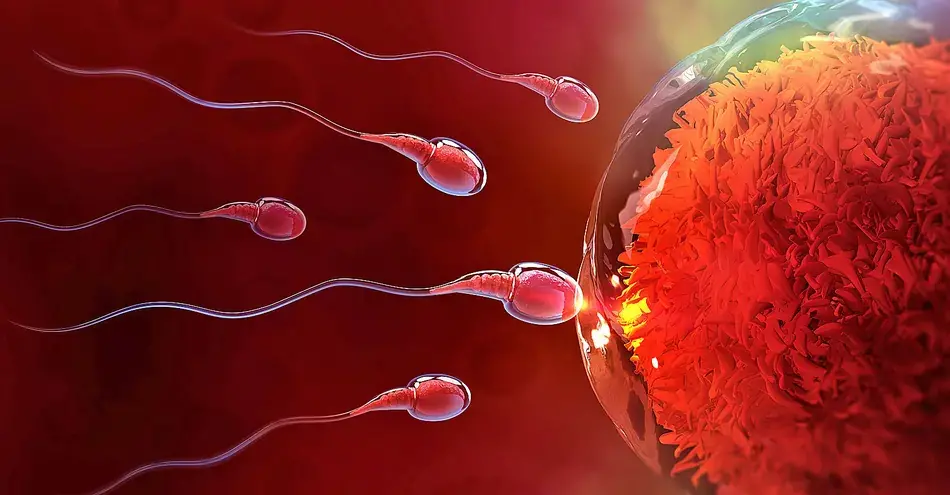
Male infertility may be associated with problems affecting sperm production, sperm count, motility, or morphology. Hormonal imbalances, reproductive tract abnormalities, and certain medical conditions can also affect fertility. Delayed conception does not automatically mean permanent infertility, and an appropriate assessment is needed to understand the possible causes.
Common factors that may contribute to male infertility include:
- Low Sperm Count or Poor Sperm Motility: A reduced number of sperm or limited movement may affect the likelihood of fertilization.
- Varicocele: Enlarged veins around the testicles may be associated with impaired sperm production or quality in some men.
- Hormonal Imbalances: Certain hormonal disorders can interfere with sperm production and reproductive function.
- Obstruction of the Sperm Ducts: Blockages may prevent sperm from entering the semen even when sperm production occurs in the testicles.
- Infections and Certain Medical Conditions: Some infections and chronic illnesses may affect reproductive health.
- Ejaculation or Sexual Function Disorders: Certain ejaculation problems or erectile dysfunction may interfere with conception.
- Genetic Factors or Testicular Disorders: Some conditions may affect sperm production and require specialized assessment.
🔬 How Is Male Infertility Diagnosed?

Male infertility assessment usually begins with a review of medical and reproductive history, current medications, previous surgeries, and conditions that may affect fertility. The doctor then determines which tests are appropriate based on the patient's symptoms and initial examination.
The assessment may include the following:
Semen Analysis
A semen analysis evaluates sperm concentration, motility, and morphology, along with other characteristics of the semen. A repeat test may be recommended when necessary because results can vary between samples.
Hormone Testing
Blood tests may be requested to measure testosterone and other hormones involved in reproductive function when symptoms or initial findings suggest a hormonal disorder.
Testicular and Reproductive System Examination
A physical examination can help identify possible abnormalities, including varicocele or other findings that may require further investigation.
Additional Investigations
Some patients may require ultrasound imaging, genetic testing, or other specialized investigations. Not every man with delayed conception needs all these tests; the choice depends on the clinical findings and individual circumstances.
💊 What Are the Treatment Options for Male Infertility?
Male infertility treatment depends on the underlying cause identified during the medical assessment. There is no single treatment that is suitable for every patient. The doctor evaluates the condition, discusses the available options, and explains their potential benefits, limitations, and risks.
Depending on the diagnosis, treatment options may include:
- Treatment of Hormonal Disorders: Specific medications may be considered when a treatable hormonal problem is identified through appropriate testing.
- Varicocele Treatment: Surgery may be considered in selected cases when the clinical assessment indicates a suitable medical reason for intervention.
- Treatment of Infections: Appropriate treatment may be prescribed when an infection requiring therapy is diagnosed. Antibiotics are not routinely indicated for every case of male infertility.
- Management of Sperm Duct Obstruction: Depending on the location and nature of the blockage, treatment may involve surgery or procedures to retrieve sperm.
- Treatment of Ejaculation and Sexual Function Disorders: Management depends on the type of problem and its underlying cause.
- Assisted Reproductive Techniques: In suitable cases, options such as intrauterine insemination or intracytoplasmic sperm injection (ICSI) may be discussed with a fertility specialist.
Hormonal medications and fertility drugs should only be used under appropriate medical supervision. External testosterone, in particular, can suppress sperm production and may reduce fertility in men who are trying to conceive.
👨⚕️ When Should You See an Andrologist in Mohandessin?
A fertility assessment is generally recommended when pregnancy has not occurred after 12 months of regular unprotected intercourse. Evaluation may be recommended after six months when the female partner is aged 35 or older. Earlier assessment may be appropriate when there is a known condition that could affect fertility, a history of testicular or reproductive surgery, or significant sexual function problems.
Reasons to seek medical evaluation include:
- Abnormal semen analysis results.
- Varicocele accompanied by findings that warrant fertility assessment.
- A history of undescended testicles or reproductive tract surgery.
- Ejaculation problems or erectile dysfunction that interfere with conception.
- Reduced libido or symptoms that may indicate a hormonal imbalance.
Evaluating both partners is often important because delayed conception may involve factors affecting the male partner, the female partner, or both. A combined assessment can help guide the next steps.
🌿 Can Lifestyle Changes Support Male Fertility?
Healthy lifestyle habits may support reproductive health, but they do not replace medical evaluation when a fertility problem is suspected. Depending on the patient's circumstances, helpful measures may include:
- Maintaining a healthy weight and following a balanced diet.
- Engaging in regular physical activity appropriate to overall health.
- Stopping smoking and avoiding recreational drugs.
- Discussing repeated exposure to excessive heat around the testicles with a healthcare professional when relevant.
- Reviewing current medications with a doctor if they may affect fertility.
- Avoiding unverified supplements and products marketed as fertility treatments without appropriate medical advice.
Changes in sperm parameters may take several months to become apparent, and the response varies according to the underlying cause and treatment.
🎓 Why Consult Dr. Ahmed Atef Khalaf for Male Infertility?
Dr. Ahmed Atef Khalaf is a Consultant in Urology, Andrology, and Male Infertility. According to the supplied professional information, he holds a Bachelor of Medicine and Surgery and a Master's degree in Urology from Ain Shams University.
His listed professional memberships include the Egyptian Urological Association (EUA) and the American Urological Association (AUA). He also participates in local and international conferences related to his specialty, according to the information provided.
His stated areas of practice include the assessment of male fertility problems, kidney and bladder conditions, endoscopic and laser stone treatment, and sexual function disorders. A specialist consultation can help clarify the possible causes of symptoms and determine which tests and treatment options may be appropriate for an individual patient.
📍 Book a Male Infertility Consultation in Mohandessin
If you are experiencing delayed conception or would like to assess your reproductive health, you can contact Dr. Ahmed Atef Khalaf's clinic in Mohandessin to ask about an appointment and discuss your medical history, symptoms, and any tests you may need.
- Address: 9 Abdel Hamid Lotfy Street, off El Batal Ahmed Abdel Aziz Street, Mohandessin, Giza, Egypt.
- Appointments and Inquiries: 01206666199 / 01143477710.
- Working Hours: 6:00 PM to 10:00 PM daily, except Fridays.
- Consultation Fee: EGP 500, according to the supplied information.
Treatment recommendations depend on the diagnosis and test results. Pregnancy cannot be guaranteed, and individual fertility prospects require appropriate medical assessment.
❓ Frequently Asked Questions About Male Infertility Treatment
Can Male Infertility Be Treated?
Some causes of male infertility can be treated, and treatment may improve the chances of conception in selected cases. Other situations may require assisted reproductive techniques. The appropriate approach depends on the diagnosis and individual test results.
Is a Semen Analysis Enough to Diagnose Male Infertility?
Semen analysis is one of the main tests used in male fertility assessment, but it may not be sufficient on its own. A physical examination, hormone testing, or additional investigations may be needed depending on the findings.
Can Varicocele Cause Male Infertility?
Varicocele may affect fertility in some men, but its presence does not automatically mean infertility or that surgery is necessary. The decision depends on the clinical examination, semen analysis, and other relevant factors.
Can Male Infertility Be Treated With Medication?
Medication may help in specific cases, including certain hormonal disorders or infections that require treatment. Other causes may need different medical procedures or assisted reproductive techniques.
Where Is Dr. Ahmed Atef Khalaf's Clinic in Mohandessin?
The clinic is located at 9 Abdel Hamid Lotfy Street, off El Batal Ahmed Abdel Aziz Street, Mohandessin, Giza, Egypt. For appointments and inquiries, call 01206666199 or 01143477710.
```