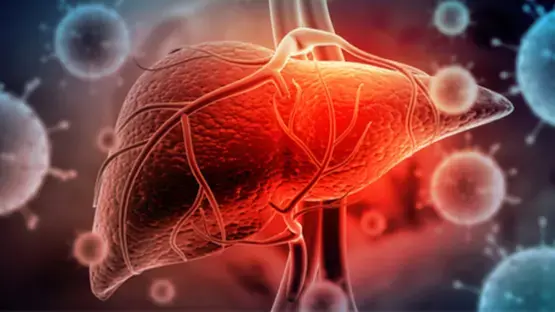

Elevated liver enzymes are not a disease by themselves, but a biological signal indicating stress, inflammation, or liver cell damage. These enzymes are released into the bloodstream when liver cells are stressed or injured, requiring careful evaluation even if no symptoms are present.
Key liver enzymes tested:
-
ALT (Alanine Aminotransferase): Indicates liver cell damage.
-
AST (Aspartate Aminotransferase): Another marker for liver cell injury.
-
ALP (Alkaline Phosphatase) & GGT (Gamma-Glutamyl Transferase): Elevation may suggest bile duct or bile flow issues.
When elevation becomes concerning:
-
Persistent increase for weeks without improvement.
-
Values several times above normal limits.
-
Symptoms of liver dysfunction appear.
-
Family history of chronic liver disease.
-
Abnormal results in other tests, such as bilirubin.
Warning symptoms:
-
Unexplained fatigue.
-
Loss of appetite.
-
Yellowing of skin and eyes.
-
Pain or heaviness in the upper right abdomen.
-
Frequent nausea.
-
Itchy skin.
-
Dark urine or pale stools.
Common causes:
-
Fatty liver, especially with obesity or sedentary lifestyle.
-
Viral hepatitis.
-
Chronic liver fibrosis.
-
Autoimmune liver diseases.
-
Certain medications (painkillers, cholesterol-lowering drugs, some anti-seizure or anti-TB medications).
-
Genetic disorders (excess copper or iron).
-
Thyroid disease or celiac disease.
-
Systemic viral infections affecting the liver.
Diagnosis:
Based on blood tests, medical history, medications, and lifestyle. Persistent elevation may require advanced tests, ultrasound or MRI, immune or genetic tests, and sometimes a liver biopsy.
Can liver enzymes return to normal?
-
Temporary causes may normalize within weeks.
-
Chronic cases require treating the underlying cause and following medical advice.
Steps to protect the liver and reduce enzymes:
-
Maintain healthy weight and reduce fat accumulation.
-
Engage in regular physical activity.
-
Eat a diet rich in vegetables, whole grains, and low in sugar.
-
Avoid medications without medical guidance.
-
Vaccinate against hepatitis A and B.
-
Control blood sugar levels if elevated.
For more details and the latest updates, follow Misr Connect.