
Root Canal Treatment: When Is It Needed and How Is It Performed? | Dr. Mohamed Ezzat El-Kholy
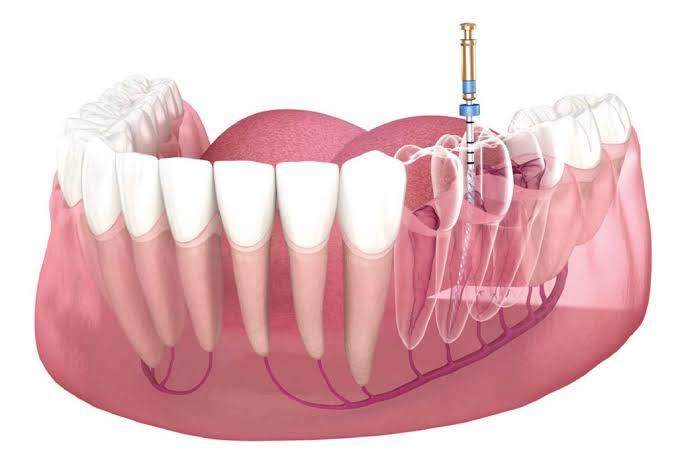
Root canal treatment, also known as endodontic treatment, is a dental procedure used to preserve a tooth when decay or infection reaches the dental pulp located inside the tooth. The need for root canal treatment may arise when a patient experiences severe tooth pain, prolonged sensitivity to hot or cold drinks, or inflammation around the tooth root.
Dr. Mohamed Ezzat El-Kholy provides root canal treatment and evaluates cases experiencing symptoms related to inflammation or damage to the dental pulp, with the appropriate treatment determined according to the condition of each tooth.
📍 Clinic Address and Contact Information
Address: Sidi Khattab Street — In front of Dr. Mikhail Pharmacy — Sabrbai
📱 Phone / WhatsApp: 01151616289
.jpg)
What Is Root Canal Treatment?
Root canal treatment is a procedure designed to remove infected or inflamed tissue from inside the tooth, followed by cleaning, shaping, and filling the root canals to help seal them.
The treatment is performed when the dental pulp cannot recover because deep decay or bacteria have reached the inner tissues of the tooth. When the tooth can be restored, root canal treatment may help preserve it instead of extracting it.
When Does a Tooth Need Root Canal Treatment?
Certain symptoms may indicate a problem with the dental pulp or the tissues surrounding the root. Common signs include:
- Severe or recurring tooth pain.
- Pain when chewing or applying pressure to the tooth.
- Prolonged sensitivity to hot or cold.
- Pain that continues after the stimulus is removed.
- Swelling or tenderness in the gum near the tooth.
- An abscess or collection of pus around the tooth.
- Discoloration of the tooth in some cases.
These symptoms do not necessarily mean that root canal treatment is always required. The appropriate treatment depends on a dental examination and evaluation of the tooth.
What Causes the Need for Root Canal Treatment?
Several factors can lead to inflammation or damage to the dental pulp.
Deep Tooth Decay
When decay extends into the deeper layers of the tooth, bacteria may reach the dental pulp and cause inflammation and pain.
Tooth Fracture or Injury
Trauma or certain types of fractures can damage the dental pulp, even when tooth decay is not the main cause.
Repeated Dental Procedures
In some cases, repeated procedures or restorations on the same tooth may affect the health of the dental pulp, particularly when the tooth has undergone multiple treatments.
How Is Root Canal Treatment Performed?
The details of treatment vary depending on the condition of the tooth, the number of canals, and the shape of the roots. However, the procedure generally involves several main stages.
Examination and Evaluation:
The dentist begins by assessing the symptoms and examining the tooth. Dental X-rays may be needed to evaluate the extent of the problem and the shape of the roots.
Local Anesthesia:
Local anesthesia is used to help minimize discomfort during the procedure.
Accessing the Root Canals:
An opening is made in the tooth to reach the inner area and the root canals containing the affected tissue.
Cleaning the Canals:
The canals are cleaned of infected tissue and bacteria and prepared for filling.
Filling and Sealing the Canals:
After the canals have been cleaned and prepared, they are filled and sealed to help prevent bacteria from entering again.
After root canal treatment, the tooth may require an appropriate restoration, such as a filling or dental crown, depending on the amount of remaining tooth structure and its overall condition.
Is Root Canal Treatment Painful?
Root canal treatment is generally performed under local anesthesia, so patients should not be expected to experience severe pain during the procedure.
Some patients may experience temporary sensitivity or mild discomfort after treatment, particularly when the tissues around the tooth root were already inflamed. The level of discomfort after treatment can vary from one case to another.
Can a Tooth Be Preserved After Root Canal Treatment?
One of the main goals of root canal treatment is to preserve the natural tooth when its condition allows for it. After the infected tissue is removed and the root canals are cleaned and sealed, the tooth can be restored appropriately.
The possibility of preserving the tooth depends on several factors, including the extent of damage, the condition of the root and surrounding tissues, and whether the remaining tooth structure can be properly restored.
What Happens If an Infected Tooth Is Not Treated?
When the dental pulp is infected and the underlying problem is not treated, symptoms may continue or the infection may spread to the tissues surrounding the tooth root.
This can lead to swelling, an abscess, or pain when chewing. Persistent tooth pain or swelling should therefore not be ignored, especially when symptoms become recurrent or progressively worse.
What Is the Difference Between Root Canal Treatment and Tooth Extraction?
Root canal treatment aims to remove infected tissue from inside the tooth while preserving as much of the natural tooth structure as possible. Tooth extraction, on the other hand, involves removing the entire tooth.
When a tooth can be treated and restored, preserving the natural tooth may be considered as an alternative to extraction. The appropriate option is determined after examining the tooth and evaluating its condition.
When Should You Have a Tooth Exam for Nerve Pain?
A dental evaluation is recommended when you experience persistent or recurring tooth pain, severe sensitivity that does not go away, pain while chewing, or swelling in the gum near the tooth.
An abscess or noticeable swelling in the face or gums also requires prompt medical evaluation to identify the source of the problem and determine the appropriate treatment.
Root canal treatment helps manage conditions affecting the dental pulp and root canals and, when appropriate, aims to preserve the natural tooth and avoid extraction. The need for root canal treatment varies from one case to another, so the appropriate procedure should be determined after examining and evaluating the tooth.
Dr. Mohamed Ezzat El-Kholy provides evaluation and root canal treatment for dental cases at his clinic in Sabrbai, Sidi Khattab Street, in front of Dr. Mikhail Pharmacy.