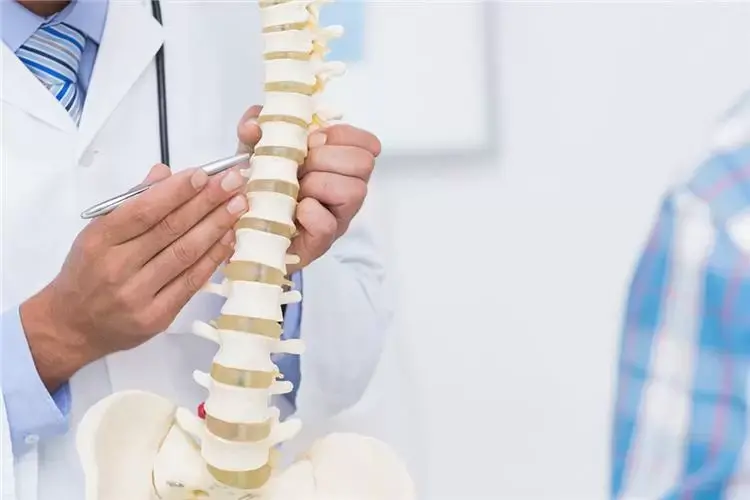

Lumbar spondylolisthesis is a spinal condition that may cause lower back pain, with symptoms sometimes extending to the buttocks and legs when nerve compression is present. Treatment varies depending on the degree of vertebral slippage, symptom severity, and the impact on mobility and daily activities. Therefore, choosing the appropriate treatment begins with a medical examination and imaging assessment to determine spinal stability and nerve involvement.
If you are looking for lumbar spondylolisthesis stabilization in Tanta, Professor Dr. Yasser Ghoraba, Professor and Consultant of Neurosurgery and Spine Surgery, evaluates patients with lumbar spine conditions and determines an appropriate treatment plan based on clinical findings and the necessary investigations.
What Is Lumbar Spondylolisthesis?
Lumbar spondylolisthesis is a medical condition in which one of the vertebrae in the lower back slips forward or out of its normal alignment relative to the vertebra below it. It may be associated with defects in the structures connecting the vertebrae or degenerative changes that affect spinal stability.
Not every case of vertebral slippage requires surgery. Some cases can be managed with conservative treatment and medical follow-up. However, if the condition causes nerve compression, persistent pain, or significant spinal instability, a doctor may evaluate whether surgical intervention is appropriate.
What Are the Symptoms of Lumbar Spondylolisthesis?
Symptoms vary from person to person depending on the degree of slippage and its effect on the nerves. Possible symptoms include:
Lower back pain that may worsen when standing or moving.
Pain extending to the buttocks or one of the legs.
Numbness or tingling in the legs when nerve compression is present.
Difficulty walking or standing for long periods because of pain.
Limited mobility and difficulty performing daily activities in more severe cases.
Some people may have no noticeable symptoms. Therefore, diagnosis cannot rely on symptoms alone and requires a medical examination and appropriate imaging studies.
When Does Lumbar Spondylolisthesis Require Surgical Stabilization?
The need for spinal stabilization is determined by the symptoms, clinical examination, and imaging results rather than the presence of vertebral slippage alone. Surgery may be considered in certain cases, including:
Persistent pain despite appropriate conservative treatment.
Nerve compression that significantly affects mobility.
Spinal instability or vertebral slippage that warrants intervention based on medical assessment.
A defect in the structures connecting the vertebrae, accompanied by symptoms or circumstances that require surgical treatment.
The aim of treatment is to address the cause of the symptoms and improve spinal stability when necessary, while considering the patient's condition and the potential benefits and risks of the procedure.
How Is Lumbar Spondylolisthesis Stabilization Surgery Performed?
The surgical approach varies according to the location and degree of slippage, as well as the condition of the nerves and bones. The procedure may involve stabilizing the vertebrae with metallic fixation devices, such as screws and rods or other systems appropriate for the patient's condition.
In some cases, the surgeon may also need to relieve pressure on the spinal canal and nerves, particularly when narrowing causes pain radiating into the legs or other neurological symptoms. If a defect is present in the structures connecting the vertebrae, surgical repair may also be considered based on the assessment.
There is no single technique suitable for every patient. The surgeon selects the appropriate procedure according to the examination findings, degree of instability, and treatment goals. Surgical stabilization is not necessary for every case of spondylolisthesis.
Can Lumbar Spondylolisthesis Be Treated Without Surgery?
Yes. Some cases can be treated without surgery, particularly when symptoms are limited and there is no severe nerve compression or instability requiring intervention. Treatment may include medication prescribed by a doctor, modifying activities that worsen the pain, and a physical therapy program tailored to the patient's condition.
However, if pain persists, signs of nerve compression develop, or significant spinal instability is identified, the doctor may recommend discussing surgical options. The decision should be based on an individual assessment, with the benefits, risks, and expected outcomes of each option clearly explained.
Who Is Professor Dr. Yasser Ghoraba?
Professor Dr. Yasser Ghoraba is a Professor and Consultant of Neurosurgery and Spine Surgery at the Faculty of Medicine, Tanta University. He holds a doctoral degree from Tohoku University in Japan and is a member of the Japanese Society for Spine Surgery.
His areas of practice include the assessment and treatment of spinal conditions, including lumbar spondylolisthesis and cases that may require spinal stabilization or nerve decompression. Treatment decisions are based on clinical examination and imaging results, with conservative treatment considered when appropriate and surgery discussed when clear medical indications are present.
Where Is Professor Dr. Yasser Ghoraba's Clinic in Tanta?
Patients can inquire about consultations and the assessment of lumbar spondylolisthesis at Professor Dr. Yasser Ghoraba's clinic using the following location and appointment details.
Tanta Clinic
Address: El Maared Street, at the intersection of El Bahr Street and the Agricultural Road, next to Harisa Awlad Rizk.
Working hours: Sundays, Tuesdays, and Thursdays, from 6:00 PM to 8:00 PM.
Phone: 01026967228.
It is advisable to confirm appointment availability before visiting the clinic. Bringing previous medical reports and imaging results, if available, may help with the assessment.
When Should You Seek Urgent Medical Attention?
If back pain is accompanied by new or worsening leg weakness, loss of bladder or bowel control, new difficulty urinating, or loss of sensation around the genitals and inner thighs, seek emergency medical attention immediately. These symptoms may indicate serious nerve compression requiring urgent assessment.
Conclusion
Treatment for lumbar spondylolisthesis depends on identifying the cause of the condition, the degree of vertebral slippage, and its impact on the nerves and mobility. Conservative treatment may be sufficient for some patients, while others may require spinal stabilization or nerve decompression based on medical assessment.
For those seeking lumbar spondylolisthesis stabilization in Tanta, an appointment can be arranged with Professor Dr. Yasser Ghoraba to evaluate the condition and discuss suitable treatment options.