

 Dr. Yasser Ghoraba
 Why Choose Prof. Dr. Yasser Ghoraba's Clinic?
 💡 Advantages of Self-Anchoring Cervical Cages
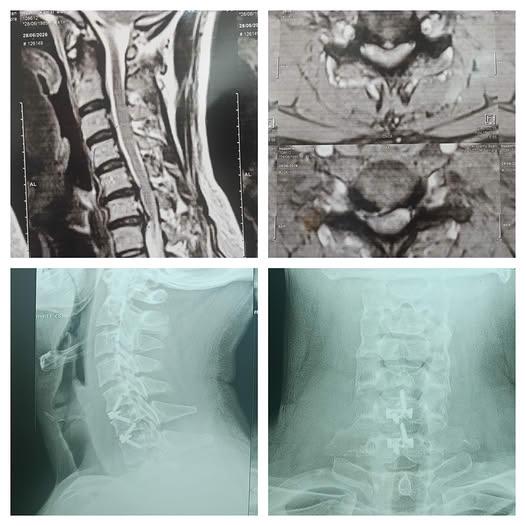 1. Excision of Cervical Disc & Bone Spur via Precision Microsurgery (Self-Anchoring Cage)
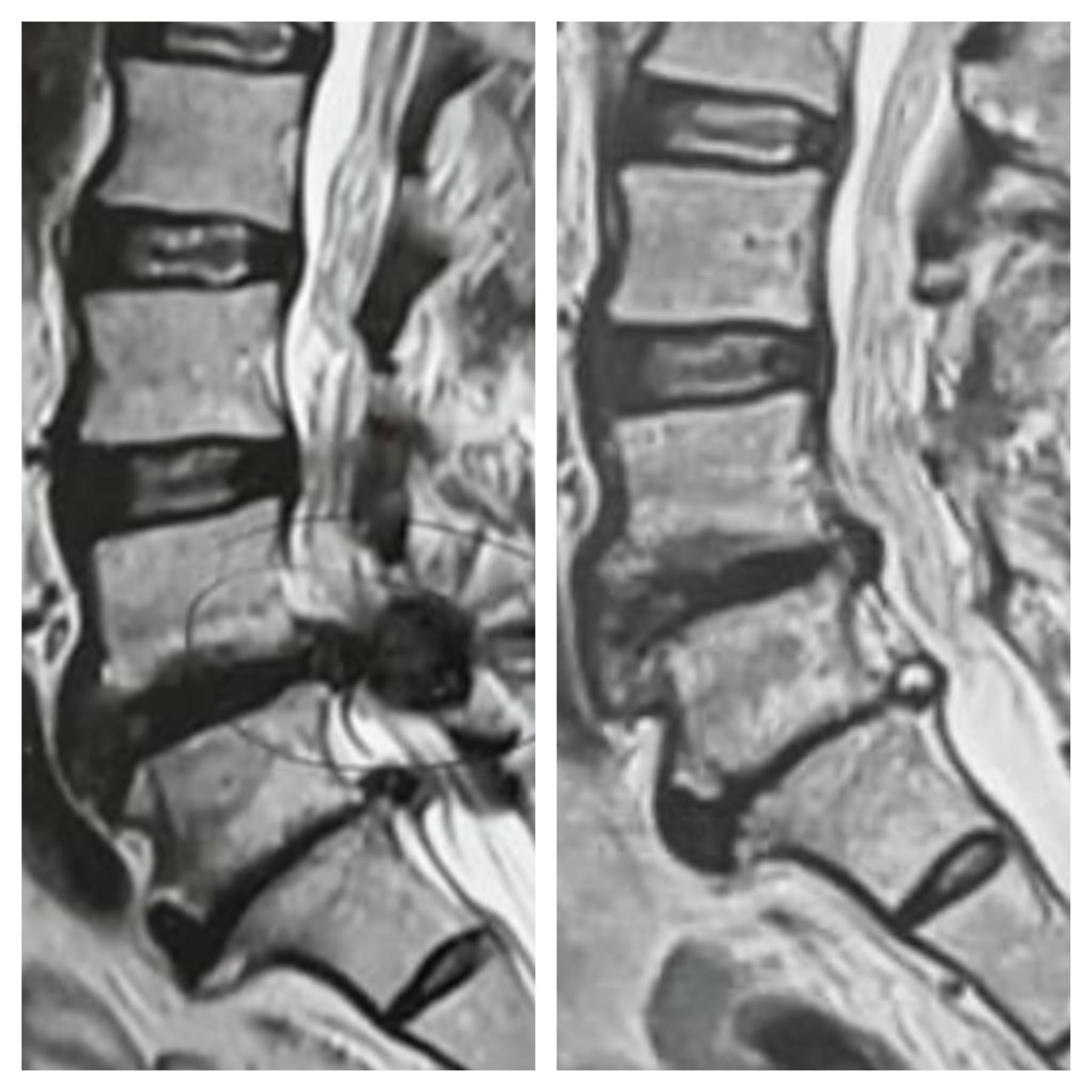 3. Decompression of Severe Lumbar Spinal Canal Stenosis via Precision Microsurgery
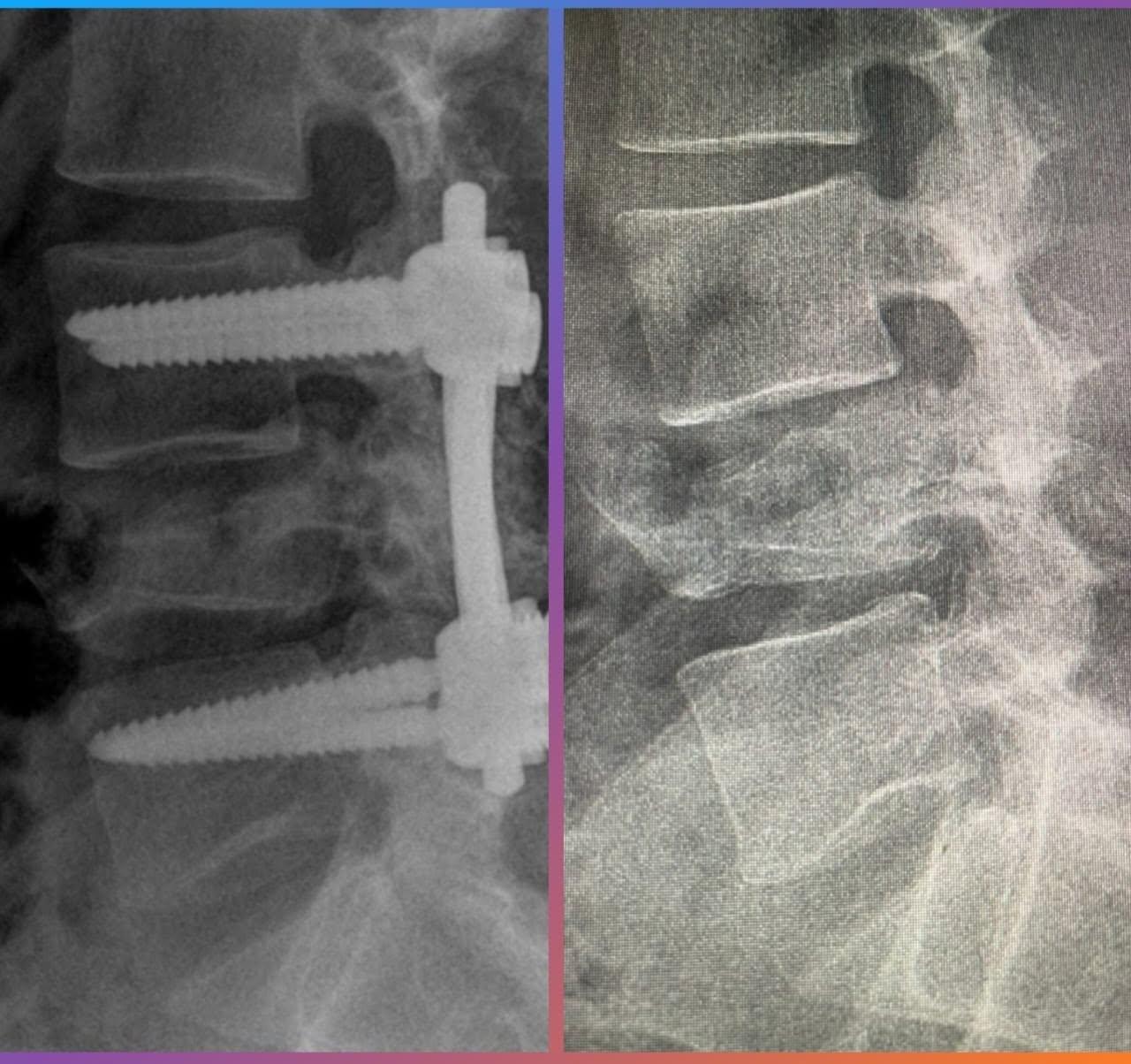 4. Fixation of L4 Comminuted Burst Fracture with Spinal Canal Decompression
 5. Microscopic Decompression of Severe Cervical Spinal Stenosis
 6. Microscopic Excision of Recurrent Lumbar Disc with Spinal Stabilization
 7. Resection of Benign Tumor on Right L5 Facet Joint & Spinal Fusion
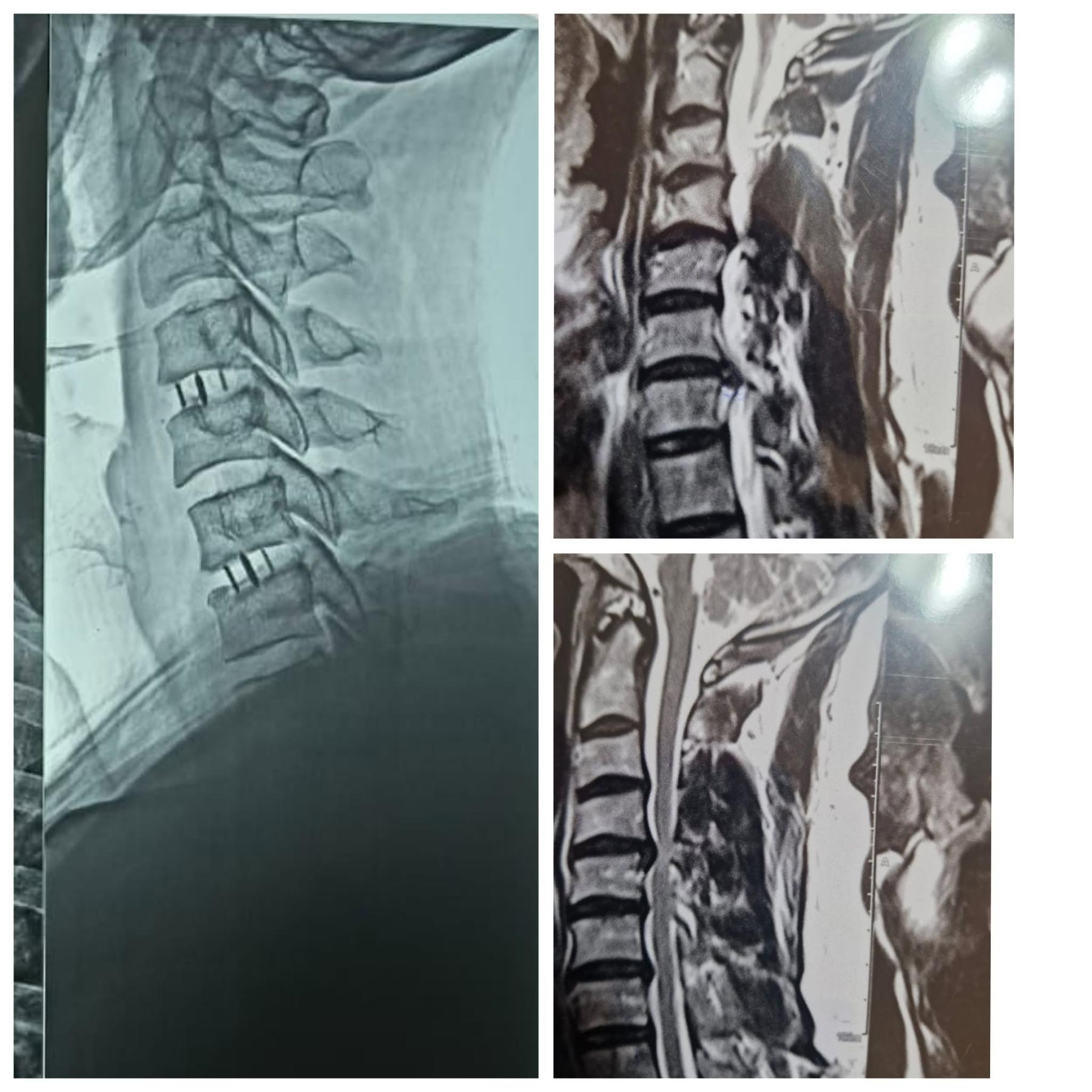 8. Resection of Ruptured Traumatic Cervical Discs (Fall Trauma)
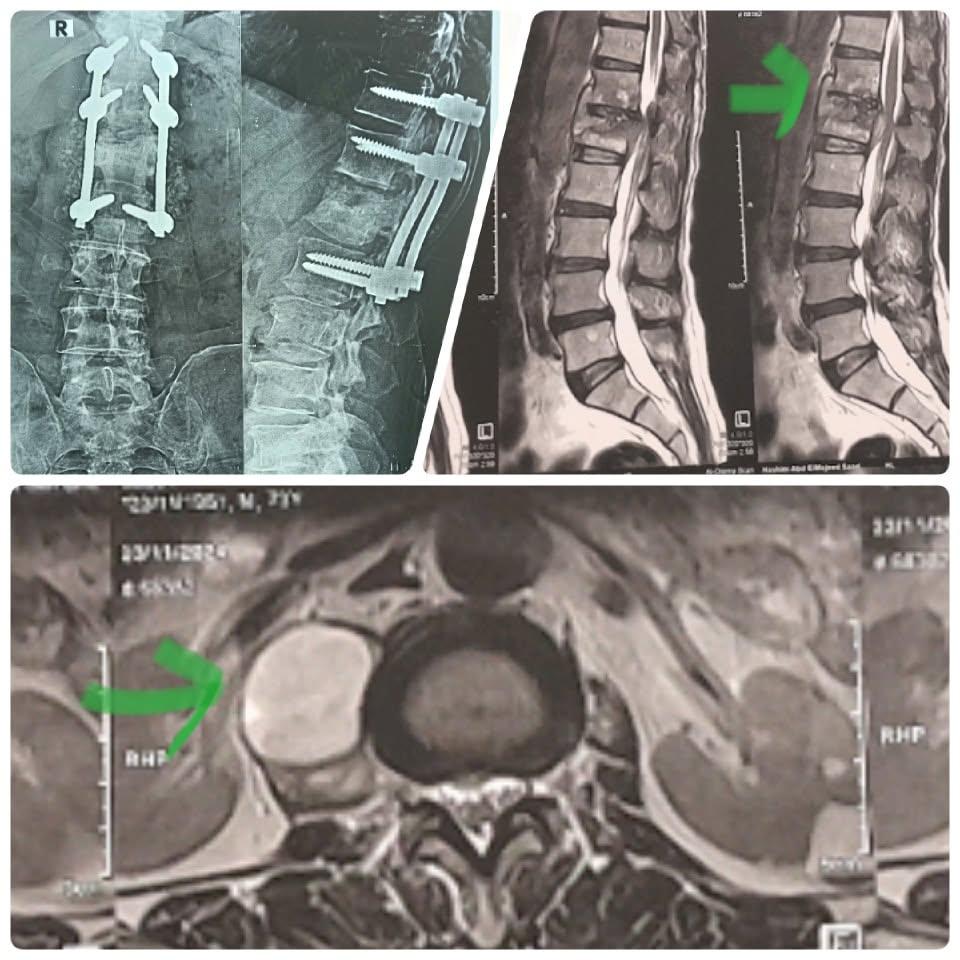 9. Paravertebral Abscess Drainage, Debridement & Fixation for Vertebral Infection
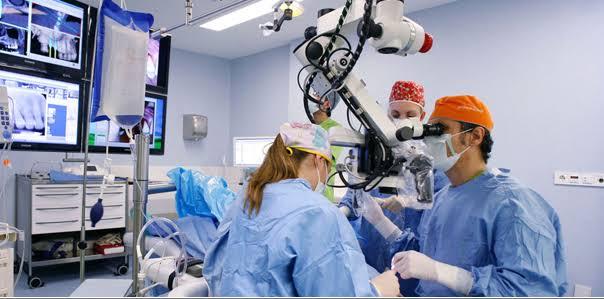
✅ Pituitary adenomas are common tumors, accounting for about 10% to 15% of all brain tumor cases. These tumors are most frequently seen in individuals in their thirties or forties and are rarely found in children.
🩺 Treatment for a pituitary tumor depends on several factors:
The type and size of the tumor.
The symptoms it causes.
The impact on glands and hormones.
1. Medication Treatment
📅 Duration:
In cases where the tumor secretes hormones like prolactin (prolactinoma), medications such as Cabergoline or Bromocriptine can show significant improvement in a short period. Medication treatment may continue for extended periods, ranging from several months to years, depending on the patient's response.
2. Surgery
📅 Duration:
If surgery is required to remove the tumor (especially if it’s pressing on nerves or causing hormonal issues), the procedure typically takes several hours.
Recovery Time:
Recovery is generally short, with most patients returning to normal activities within 2-4 weeks after surgery.
3. Radiotherapy
📅 Duration:
Radiotherapy may take several weeks or months, depending on the tumor’s response to treatment. It is usually complementary to surgery or medication when the tumor does not respond to either of the first two treatments.
4. Future Outlook
🔮 Prognosis is excellent in most cases:
Since most pituitary tumors are benign, the prognosis is very good after treatment.
Complete recovery may take several months to years, depending on the type of treatment the patient receives.
🩻 Conclusion: The duration of treatment depends on the tumor type and the treatment method used. Medication may take longer, while surgery provides faster improvements.
