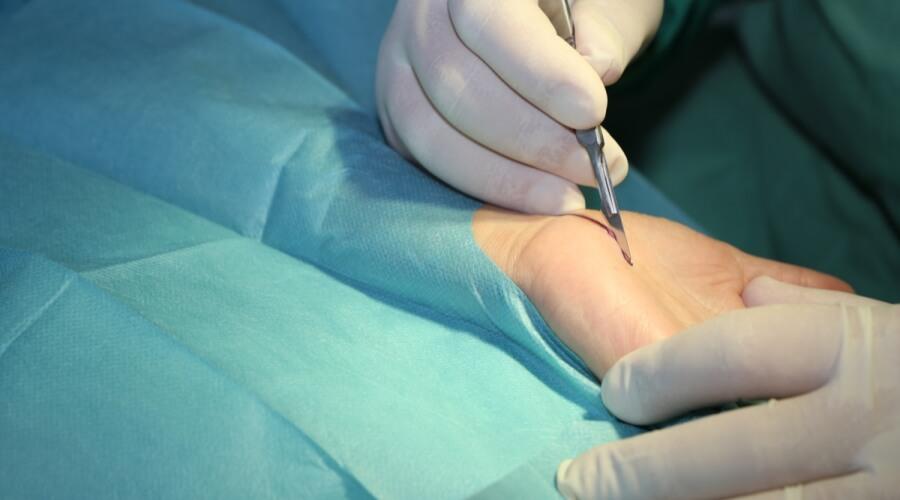

Microsurgical Nerve Decompression in Tanta | Dr. Yasser Ghoraba
Nerve compression can cause pain, numbness, tingling, and weakness that may interfere with everyday activities. When symptoms persist, an accurate diagnosis is essential to determine the most appropriate treatment. Microsurgical nerve decompression is one of the surgical techniques that may be considered in selected cases to relieve pressure on an affected nerve.
If you are experiencing symptoms of nerve compression, consult Dr. Yasser Ghoraba, Consultant in Neurosurgery and Spine Surgery in Tanta, for clinical assessment and guidance on the available treatment options.
📞 Contact Dr. Yasser Ghoraba
Tanta Clinic: El Maared – at the intersection of El Bahr Street and the Agricultural Road, next to Hreissa Awlad Rizk.
Consultation Hours: Sundays, Tuesdays, and Thursdays, from 6:00 PM to 8:00 PM.
Phone: 01026967228
Location: View Tanta Clinic on Google Maps
Qutur Clinic: Qutur Station – Clock Square – Habsa Tower.
Consultation Hours: Saturdays, Mondays, and Wednesdays, from 6:00 PM to 8:00 PM.
Phone: 01093579761
Location: View Qutur Clinic on Google Maps
WhatsApp Booking: Contact via WhatsApp
Facebook: Dr. Yasser Ghoraba's Facebook Page
Email: [email protected]
What Is Microsurgical Nerve Decompression?
Microsurgical nerve decompression is a surgical procedure designed to relieve pressure on a nerve when surrounding tissues or anatomical structures are compressing it. The procedure may be considered in certain cases of nerve entrapment, depending on the affected nerve, the cause of compression, the severity of symptoms, and the findings of the clinical examination and investigations.
Using a surgical microscope can provide magnified visualization of delicate anatomical structures. This may help the surgeon work carefully around nerves and nearby tissues. However, the suitability of the technique and the expected outcome vary from one patient to another.
What Are the Symptoms of Nerve Compression?
Symptoms depend on the location and type of nerve involved. Common symptoms may include:
- Numbness or tingling in the affected area.
- Pain that may extend along the path of the nerve.
- A burning or electric-shock sensation.
- Weakness in certain muscles.
- Difficulty performing everyday tasks when hand or limb function is affected.
Persistent symptoms, progressive weakness, or changes in sensation should be assessed by a qualified medical professional. Sudden or rapidly worsening weakness requires urgent medical evaluation.
When Is Microsurgical Nerve Decompression Considered?
Surgery is not necessary for every case of nerve compression. Depending on the diagnosis, initial treatment may include activity modification, medication prescribed by a clinician, physical therapy, or other non-surgical measures.
Microsurgical nerve decompression may be considered when symptoms persist despite appropriate conservative treatment, when investigations support significant nerve compression, or when the clinical findings indicate that surgery may be appropriate. The decision should be made after an individual assessment of the patient's condition.
How Is the Condition Diagnosed?
Diagnosis usually begins with a review of the patient's symptoms and medical history, followed by a physical and neurological examination. Depending on the suspected cause and the location of the affected nerve, the doctor may recommend investigations such as nerve conduction studies, electromyography, or imaging.
These assessments help identify the site and possible cause of compression and guide the choice of treatment. Not every patient needs the same tests; investigations are selected according to the clinical findings.
What Happens During Microsurgical Nerve Decompression?
The exact steps depend on the nerve involved and the underlying cause of compression. In general, the surgeon accesses the affected area and carefully releases the structures putting pressure on the nerve while protecting nearby tissues.
The type of anesthesia, surgical approach, expected hospital stay, and recovery plan vary according to the procedure and the patient's overall health. Your surgeon should explain the potential benefits, risks, alternatives, and expected recovery before any operation.
Recovery After Nerve Decompression Surgery
Recovery differs from one patient to another and depends on the duration and severity of compression, the degree of nerve injury, the procedure performed, and other health factors. Some symptoms may improve gradually, while symptoms caused by longstanding nerve damage may take longer to recover or may not resolve completely.
Following postoperative instructions and attending follow-up appointments are important parts of recovery. Your doctor can advise you when to return to work, drive, exercise, and resume other activities.
Why Consult Dr. Yasser Ghoraba in Tanta?
Dr. Yasser Ghoraba is a Consultant in Neurosurgery and Spine Surgery and a Professor at Tanta Faculty of Medicine and its university hospitals. He holds a PhD from Tohoku University in Japan and is a member of the Japanese Spine Surgery Society.
Patients experiencing symptoms that may indicate nerve compression can arrange a consultation to discuss their symptoms, undergo the necessary assessment, and learn about suitable treatment options based on their individual condition.
📅 Book a Consultation
If you have persistent numbness, tingling, pain, or weakness that may be related to nerve compression, contact Dr. Yasser Ghoraba to arrange an assessment.
Book via WhatsApp | Facebook Page
Frequently Asked Questions
Is microsurgical nerve decompression suitable for everyone?
No. Suitability depends on the cause and severity of nerve compression, the patient's symptoms, examination findings, and response to other treatments. A specialist assessment is needed before deciding on surgery.
Does every case of nerve compression require surgery?
No. Some cases can be managed with non-surgical treatments. Surgery may be considered when the clinical assessment indicates that it is appropriate.
How long does recovery take after nerve decompression?
Recovery time varies according to the nerve involved, the procedure performed, and the extent of nerve injury. The treating surgeon can provide guidance based on the individual case.
Where can I consult Dr. Yasser Ghoraba?
Dr. Yasser Ghoraba sees patients in Tanta and Qutur by appointment. Please check the clinic details and consultation hours above before visiting.