
Modern Treatment for Achilles Tendonitis and Haglund’s Deformity Behind the Heel | Dr. Abdelrahman Youssef
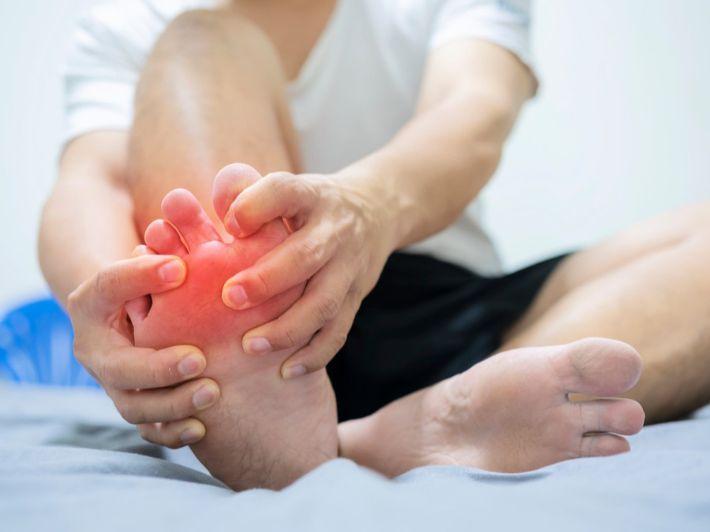
If you experience pain at the back of your heel that worsens when walking or standing for long periods, or discomfort when you start moving after resting, the cause may be related to Achilles tendonitis or a bony prominence at the back of the heel. These conditions can affect your mobility and interfere with everyday activities.
Advances in the treatment of tendon and foot conditions have introduced several options that may be considered depending on the nature and severity of the problem. Choosing the appropriate treatment requires a medical examination to identify the source of the pain rather than relying on symptoms alone.
You can book an appointment with Dr. Abdelrahman Youssef at one of his clinics in Alexandria to have your heel pain evaluated and discuss suitable treatment options.
📞 Mustafa Kamel (Roushdy) Clinic: 01060246556
📞 Miami Clinic: 01010302668
📞 Agami Clinic: 01021717459
What Is Achilles Tendonitis?
The Achilles tendon connects the calf muscles to the heel bone. It plays an important role in walking, running, jumping, and lifting the heel off the ground.
Because the tendon is exposed to repeated loads during movement, it may become irritated or develop degenerative changes due to overuse, increased physical activity, or mechanical factors affecting the foot.
Achilles tendon problems can vary from one person to another. The affected area may be in the middle portion of the tendon or near its attachment to the heel bone. This distinction can influence the symptoms and the treatment options considered.
What Are the Symptoms of Achilles Tendonitis?
Several symptoms may indicate a problem with the Achilles tendon, including:
-
Pain at the back of the heel or slightly above the heel bone.
-
Increased pain when walking or climbing stairs.
-
Stiffness when beginning to move after waking up or sitting for a while.
-
Swelling or thickening around the tendon.
-
Tenderness when pressure is applied to the back of the heel.
-
Difficulty running or participating in sports because of pain.
Symptoms may improve temporarily with rest and return when activity increases. Persistent or recurring pain should be medically evaluated to determine its cause and the extent of the tendon problem.
What Is the Bony Prominence Behind the Heel?
A bony prominence at the back of the heel may develop on the posterior part of the heel bone, close to where the Achilles tendon attaches. This may be associated with pain or irritation in the surrounding tissues, particularly when the prominence causes pressure or friction on the tendon or nearby structures.
It is important to distinguish a bony prominence at the back of the heel from a heel spur underneath the heel. These are different conditions in different locations and may cause different symptoms.
The presence of a bony prominence on an X-ray does not automatically mean that it is the source of the pain. The imaging findings must be considered alongside the patient's symptoms and clinical examination.
What Is the Relationship Between Achilles Tendonitis and the Bony Prominence Behind the Heel?
In some cases, Achilles tendinopathy near the tendon’s attachment to the heel bone may occur alongside a bony prominence. Depending on the anatomy, the prominence may contribute to pressure or friction around the tendon attachment and may play a role in persistent pain.
Patients may experience discomfort when wearing shoes that press against the back of the heel, walking, climbing stairs, or performing activities that place additional stress on the tendon.
However, the relationship between these conditions varies. Pain may arise from tendon degeneration, irritation of the surrounding tissues, or another underlying problem. An accurate diagnosis is therefore essential before selecting a treatment plan.
What Are the Modern Treatment Options for Achilles Tendonitis and a Bony Prominence Behind the Heel?
Modern treatment focuses on identifying the source of the pain, understanding the nature of the tendon problem, and assessing its severity before selecting an appropriate approach.
There is no single treatment suitable for every patient, and the presence of a bony prominence does not automatically mean that surgery is necessary.
Depending on the condition, the doctor may discuss the following options.
1. Conservative Treatment and Rehabilitation
Many cases of Achilles tendon problems are initially managed by modifying activities that aggravate the pain, adjusting the load placed on the tendon, and following an appropriate rehabilitation program under professional supervision.
Rehabilitation may include gradual exercises to strengthen the calf muscles and improve the tendon’s ability to tolerate load. The exercises must be selected according to the type of injury, because some exercises may not be suitable when the tendon attachment to the heel bone is affected.
Shoe modifications or supportive devices may also help in selected cases, depending on the doctor's assessment.
2. Modern Non-Surgical Treatment Options
Several treatments may be considered for persistent Achilles tendinopathy. One option is extracorporeal shockwave therapy, when the doctor determines that it is appropriate for the specific condition.
The choice of treatment depends on the location and duration of the problem and the findings of the clinical examination. Responses vary from one patient to another, and no particular method can guarantee a specific result or be considered suitable for every case of Achilles tendonitis and a bony prominence.
It is also important to distinguish shockwave therapy from therapeutic ultrasound, as they are different treatment modalities. The appropriate technique should be selected based on a clear clinical assessment.
3. When Might Surgery Be Considered?
Surgery may be discussed in some cases when pain continues to interfere with movement despite appropriate non-surgical treatment, or when structural changes require surgical management.
Depending on the condition, the procedure may involve treating damaged tendon tissue, removing a bony prominence that contributes to the problem, or repairing and reattaching the tendon when necessary.
Surgery is not suitable for every patient. The potential benefits, risks, and expected recovery period should be discussed after a thorough medical evaluation.
How Are Achilles Tendon Problems and a Bony Prominence Diagnosed?
Diagnosis usually begins with a discussion of the symptoms, when the pain started, and which activities make it worse. The doctor then examines the heel and Achilles tendon, assessing movement, swelling, and areas of tenderness.
Imaging tests may be requested when additional information is needed. These may include:
-
X-rays: Help identify a bony prominence and changes in the heel bone.
-
Ultrasound: May be used to assess certain changes in the tendon and surrounding tissues.
-
MRI: May be recommended when more detailed information about soft tissues or the extent of tendon involvement is needed.
Not every patient requires all these tests. The doctor determines which investigations are appropriate based on the symptoms and clinical findings.
Can Achilles Tendonitis Be Treated Without Surgery?
Yes. Many cases may improve with non-surgical treatment, depending on the type and severity of the injury and how long the symptoms have been present.
Treatment may involve adjusting physical activity, modifying footwear when appropriate, following a gradual rehabilitation program, strengthening the calf muscles, and using other treatments recommended by the doctor.
If a bony prominence behind the heel is accompanied by significant tendon changes and persistent pain, a more detailed assessment may be needed to determine the available options.
It is not advisable to ignore persistent pain or rely on painkillers alone for an extended period without identifying the underlying cause.
When Should You Seek Prompt Medical Attention?
Some symptoms require prompt medical assessment, particularly when the pain develops suddenly or there is a significant change in your ability to move.
Seek medical care promptly if you experience:
-
Sudden, severe pain at the back of the heel during activity.
-
A popping sound accompanied by sharp pain.
-
Sudden difficulty walking or standing on your tiptoes.
-
Severe swelling, increasing redness, or a rise in the temperature of the affected area.
These signs may indicate a more serious injury, including an Achilles tendon rupture, and should not be ignored.
Dr. Abdelrahman Youssef for Achilles Tendon and Heel Problems in Alexandria
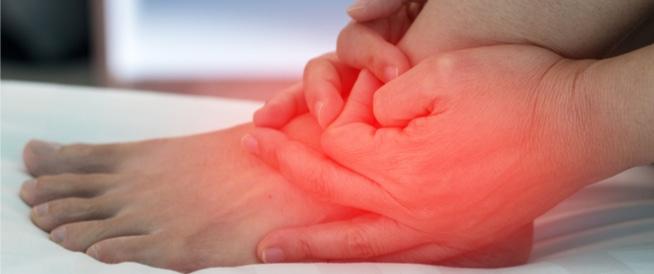
If you experience persistent pain at the back of your heel or symptoms associated with the Achilles tendon or a posterior heel prominence, the first step is to identify the cause and determine how the condition affects your movement.
You can book an appointment with Dr. Abdelrahman Youssef at one of his clinics in Alexandria to have your symptoms evaluated and discuss treatment options based on your condition.
Dr. Abdelrahman Youssef’s Clinics in Alexandria
Mustafa Kamel (Roushdy) Clinic
📍 Address: 402 Abu Qir Street, Roushdy, opposite Khalil El-Khayat Street, above the Opel showroom, El-Sanhouri Tower, First Floor.
⏰ Working hours:
-
Saturday, Wednesday, and Thursday: 3:00 PM–5:00 PM.
-
Monday: 8:00 PM.
📞 Appointments: 01060246556
☎️ Landline: 03/5467629
Miami Clinic
📍 Address: 270 Gamal Abdel Nasser Street, opposite Shahd El-Maleka Sweets and QNB Bank, Miami, Alexandria.
⏰ Working hours: Saturday, Sunday, Tuesday, and Wednesday, from 7:00 PM to 9:00 PM.
📞 Appointments: 01010302668
📍 View the Miami Clinic on Google Maps
Agami Clinic
📍 Address: El-Agami, El-Bitash, at the beginning of El-Hanfiya Street, above the basbousa and kunafa shop.
⏰ Working hours: Monday only, from 3:00 PM to 5:00 PM.
📞 Appointments: 01021717459
Emergency Contact Number
🚨 Dedicated emergency number: 0120466733
Please call to book an appointment before visiting the clinic. Entry and appointment order are organized according to the order of patients’ actual arrival at the clinic.
Book an Appointment to Evaluate Your Heel Pain
If heel pain affects your ability to walk or worsens with movement, do not assume that a bony prominence is the only cause. The pain may be related to the Achilles tendon, surrounding tissues, or another condition that requires medical assessment.
Contact Dr. Abdelrahman Youssef at the clinic most convenient for you in Alexandria to book an appointment and discuss your symptoms and available treatment options.
📞 Mustafa Kamel (Roushdy): 01060246556
📞 Miami: 01010302668
📞 Agami: 01021717459
🚨 Dedicated emergency number: 0120466733
The information in this article is for general educational purposes and does not replace a medical examination. The causes of heel pain and appropriate treatment options vary from one patient to another. The doctor determines the suitable approach after evaluating the symptoms, conducting a clinical examination, and reviewing any necessary investigations.