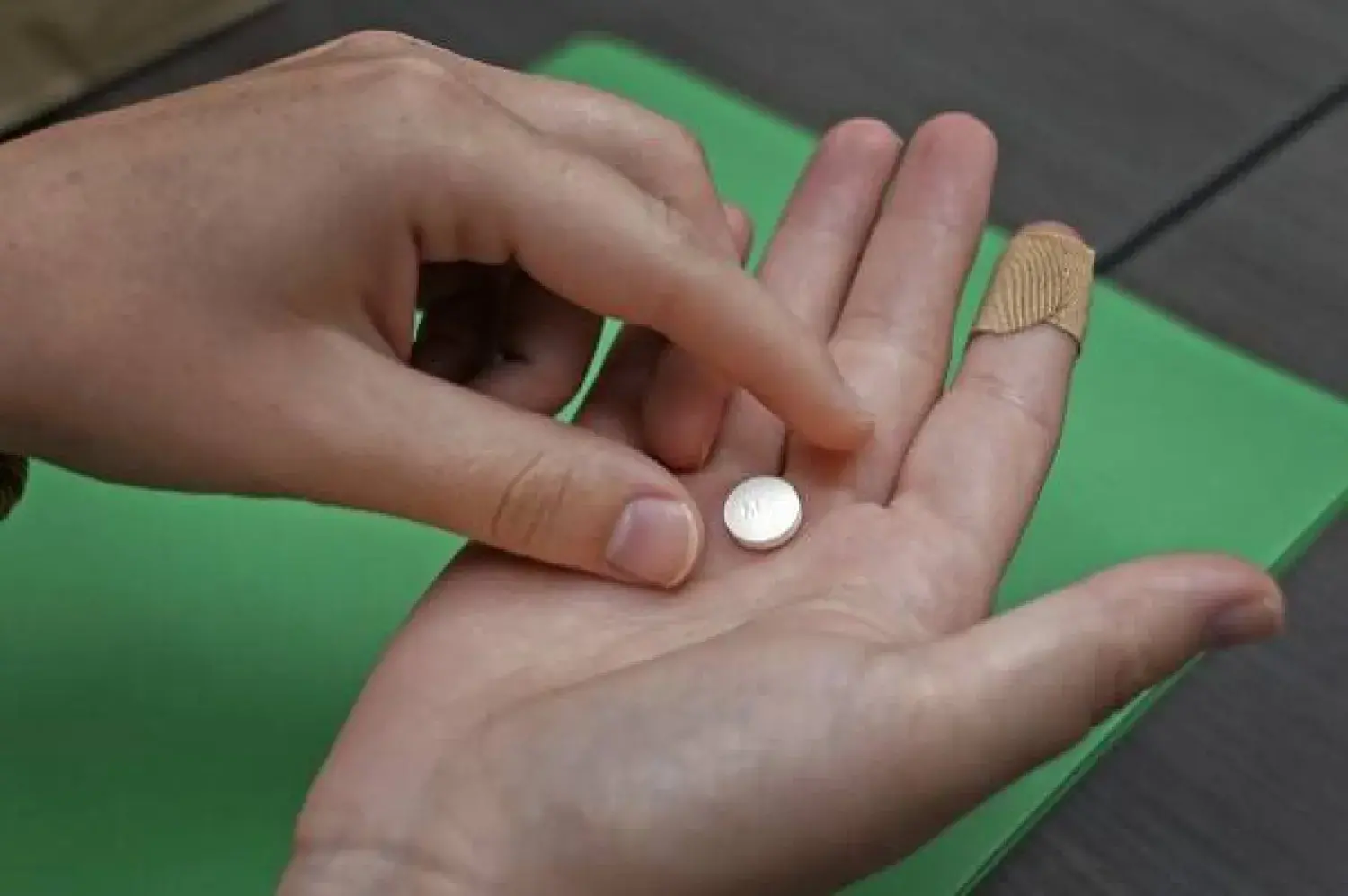

Many people assume that treatment success depends only on taking medication on time. However, small details in morning routines can significantly affect how well a drug works in the body without being noticed.
First: Drinks That Affect Drug Absorption
Coffee and tea are among the most overlooked factors that can interfere with medication absorption. Caffeine affects digestive activity and metabolic enzymes, which may reduce drug concentration in the bloodstream.
This is especially important for medications related to blood sugar, thyroid, or neurological conditions. Timing gaps between medication and stimulants are essential.
Second: Hidden Impact of Supplements
While beneficial, supplements such as calcium and iron may bind with medications in the digestive tract, preventing proper absorption.
Some herbal extracts can also alter liver metabolism, leading to unexpected increases or decreases in drug effects.
Third: Breakfast and Its Role
Food type directly influences drug absorption.
Fatty meals may slow absorption, while dairy products or juices can interact with certain medications.
Some drugs, however, require food to reduce stomach irritation, making medical instructions essential.
Fourth: Morning Exercise Effects
Intense workouts may reduce blood flow to the digestive system temporarily, delaying medication absorption.
Moderate exercise is generally safer during treatment, especially for heart or blood pressure medications.
Fifth: Sudden Lifestyle Changes
Adding supplements, changing diet, or increasing physical activity abruptly may create unpredictable interactions that affect treatment outcomes.
Conclusion
Medication effectiveness depends not only on dosage but also on timing and daily habits. Small lifestyle details can make a significant difference in treatment success.
For more details and the latest news follow Masr Connect