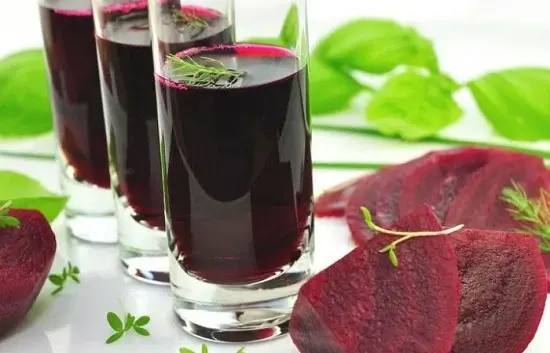

Recent studies show that controlling blood pressure depends on a balanced diet providing potassium, magnesium, fiber, antioxidants, and healthy fats, rather than a single “superfood.” These nutrients work together to reduce sodium impact, improve arterial flexibility, and lower chronic inflammation.
Recommended Foods:
-
Leafy Greens: Spinach, chard, arugula rich in natural nitrates, magnesium, and potassium, enhancing nitric oxide production for vessel relaxation and lower blood pressure.
-
Berries: Blueberries, strawberries, and blackberries contain anthocyanins supporting artery health and reducing oxidative stress.
-
Legumes: Lentils, beans, chickpeas provide soluble fiber and potassium, linked to lower heart disease risk.
-
Avocado: Rich in monounsaturated fats and magnesium, promoting vascular flexibility.
-
Fatty Fish: Salmon, sardines, mackerel provide omega-3 fatty acids (EPA & DHA) that reduce inflammation and improve endothelial function.
-
Walnuts: Source of alpha-linolenic acid, fiber, and antioxidants, helping reduce systolic pressure.
-
Bananas & Apples: Potassium-rich bananas and fiber-rich apples support arterial health.
-
Dark Chocolate: Cocoa flavonoids improve vessel flexibility, best consumed low in sugar.
-
Yogurt: Provides calcium, potassium, and beneficial bacteria with potential blood pressure benefits.
-
Oats: Soluble beta-glucan fiber improves cholesterol and supports heart health.
-
Cruciferous Vegetables: Broccoli, cabbage, cauliflower contain antioxidant compounds promoting vascular health.
Daily Supportive Habits:
Reducing salt, eating whole foods, regular physical activity, maintaining a healthy weight, managing stress, and quitting smoking enhance the effects of a blood pressure–friendly diet.
For more details and the latest news, follow Masr Connect