New Bat Coronavirus Discovered in Brazil Raises Global Concern
Scientists have detected a new coronavirus strain, “BRZ batCoV,” in mustached bats in Brazil, sparking fears of a new outbreak, though experts confirm it poses no threat to humans ye
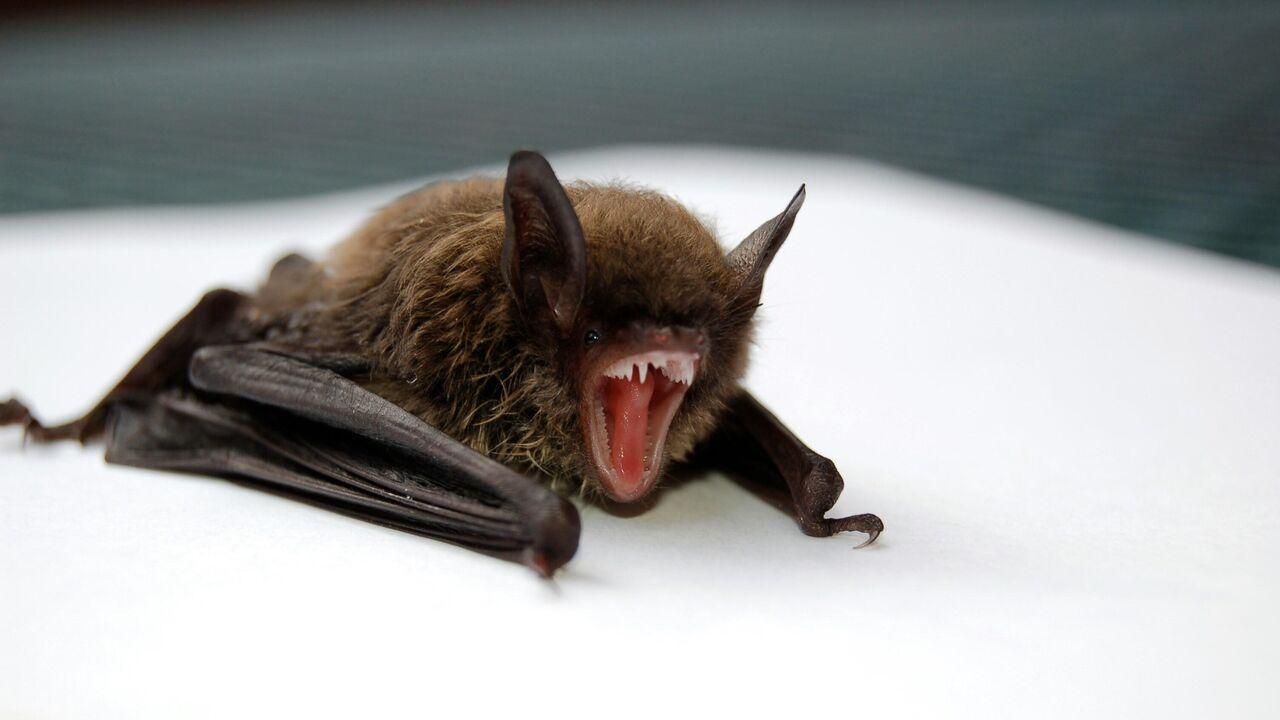
A team of researchers has identified a new coronavirus strain, named BRZ batCoV, in mustached bats found across South America, raising concerns among scientists about the possibility of future zoonotic diseases.
The discovery came during a wildlife virus monitoring program aimed at identifying pathogens that could potentially cross over to humans. Researchers noted that many wild species act as silent carriers of dangerous viruses without showing any symptoms.
The new virus was detected in intestinal tissue samples from around 70 bats in Brazil’s Maranhão and São Paulo states. Genetic analysis revealed a significant similarity between this strain and the SARS-CoV-2 virus that caused the global COVID-19 pandemic.
However, experts clarified that no evidence currently suggests the virus can infect humans or other mammals. The findings instead highlight that viral mutations can occur naturally, emphasizing the need for continuous monitoring.
The study also revealed that BRZ batCoV contains a molecular feature known as the “furin cleavage site”, a structure that allows coronaviruses to enter human cells, underscoring its scientific importance.
Dr. Kosuke Takada of Osaka University commented that while there is no immediate risk, the discovery serves as a reminder of the vital importance of studying natural viral evolution to prevent future pandemics.
Many people, after doing medical tests, receive their results and immediately start looking at numbers and unfamiliar terms like (High – Low – Normal) without fully understanding what they actually mean.

When dealing with medical services, many people come across different titles for doctors such as “Specialist” and “Consultant”, which can sometimes create confusion about what each title actually means and how they differ from each other.

Choosing the right time to visit a doctor is not a random decision. It can directly affect how quickly a condition is diagnosed and how effective the treatment will be. Many people delay visiting a doctor or go at the wrong time, which may lead to worsening symptoms or delayed care.

Choosing the right doctor is one of the most important decisions in any healthcare journey. However, many people make mistakes during this process, which can affect the quality of care they receive or delay proper treatment. In this article, we highlight some of the most common mistakes people make when selecting a doctor, presented in a simple and informative way to help you make more informed decisions.
