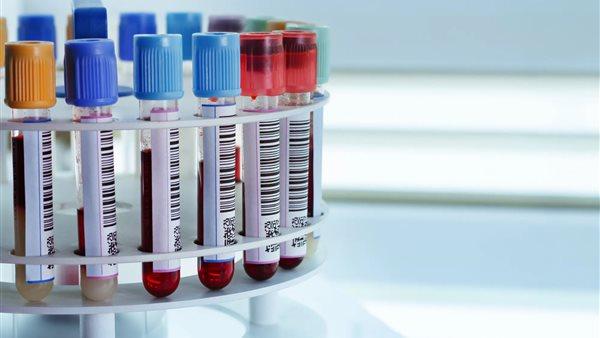

Scientists at Duke Health, in collaboration with the University of Minnesota, have developed a blood test capable of predicting future health status as people age. The breakthrough centers on small RNA molecules known as piRNAs.
Published in Aging Cell, the study suggests that these molecules can accurately indicate short-term survival prospects and potential health decline in older adults.
Study Overview
Researchers analyzed piRNA levels in blood samples from adults aged 71 and older. Lower levels of specific piRNAs were associated with longer survival.
Using causal artificial intelligence and machine learning techniques, the team examined:
-
187 clinical variables
-
828 types of small RNA
-
Over 1,200 blood samples
Survival data were validated through national death records.
Key Findings
Advanced statistical modeling revealed that just six piRNA molecules predicted two-year survival with 86% accuracy. These findings were confirmed in an independent group of older adults.
Interestingly, individuals who lived longer consistently showed lower levels of certain piRNAs — a pattern also observed in simpler organisms, where reducing these molecules has been linked to lifespan extension.
For short-term survival prediction, piRNAs outperformed traditional indicators such as age, cholesterol levels, physical activity, and over 180 other clinical markers.
What’s Next?
Researchers plan to explore whether lifestyle changes or medications — including emerging GLP-1–based therapies — can alter piRNA levels. They also aim to compare blood and tissue levels of these molecules to better understand their biological role.
For more details and the latest news, follow Masr Connect