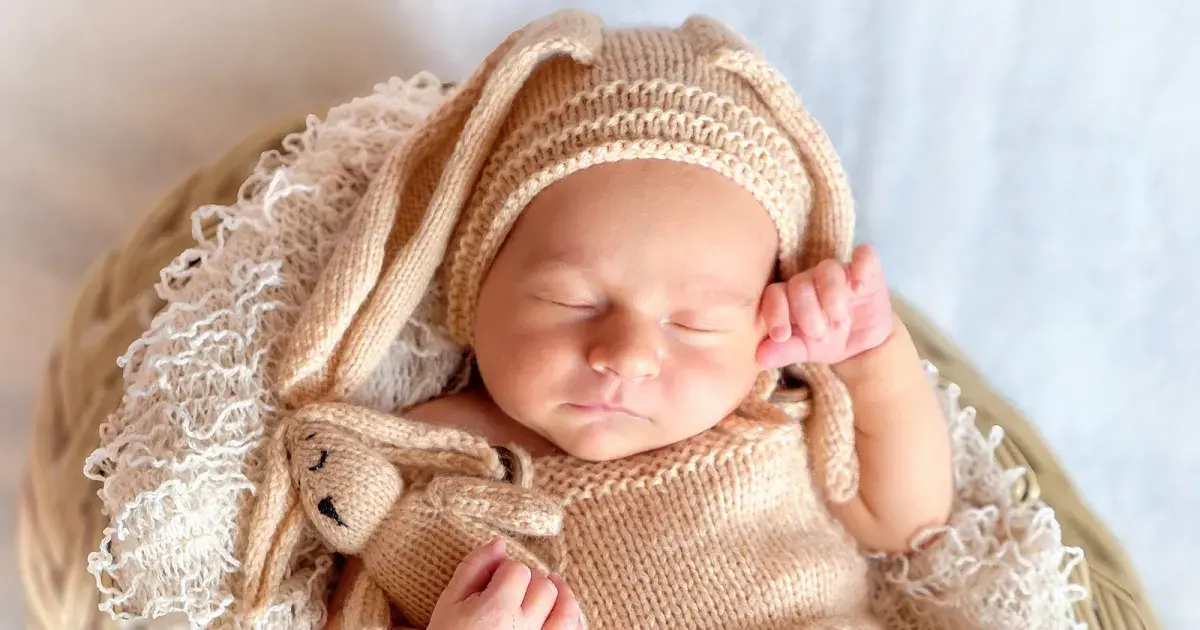

A recent study by the University of East Anglia revealed that infants with elevated sensory sensitivity often struggle to reach deep, restorative sleep—a pattern common among children at higher risk of autism.
Published in SLEEPJ, the study found that both the infant’s sensory makeup and their environment influence sleep quality. Even in quiet rooms, highly sensitive infants experienced lighter sleep, while noisy environments significantly disrupted their deep sleep.
Professor Theodora Gliga highlighted that brainwave monitoring showed clear differences in sleep depth in response to everyday sounds. Sensitive infants didn’t sleep less in duration but had shallower sleep, with slower, weaker brainwave patterns indicating reduced sleep quality.
The study involved 41 infants aged 8 to 11 months, recording brain activity during sleep and comparing it with parental questionnaires on typical behaviors and sensory sensitivities.
Dr. Anna de Light, lead author, noted that having an older sibling with autism increased the likelihood of early sleep difficulties but emphasized that early sensory traits do not guarantee autism—they help understand how sensory differences shape sleep and brain development.
Researchers stress that quality sleep is vital for brain growth. Reducing environmental noise may help sensitive infants, but additional strategies are needed to enhance deep sleep, prompting calls for further studies in this area.
For more details and latest updates, follow Masr Connect.