New Study Reveals Why Women Are More Prone to Vitamin D Deficiency Than Men
A recent study found that women are more vulnerable to vitamin D deficiency due to biological and hormonal differences that cause their bodies to store the vitamin in fat, affecting bone strength, energy, and mood.

A groundbreaking British study has shed light on why women are significantly more prone to vitamin D deficiency than men, despite the vitamin’s crucial role in maintaining bone health, mood balance, and immune function.
Researchers explained that women’s bodies naturally contain a higher percentage of fat tissue compared to men. Since vitamin D is fat-soluble, it tends to be trapped within fat stores instead of circulating freely in the bloodstream where it can be absorbed and utilized effectively.
This biological difference means that even if women get enough sunlight exposure or consume vitamin D-rich foods, their bodies may still fail to achieve the same vitamin levels as men. As a result, many women experience chronic fatigue, weak bones, muscle pain, low energy, and mood swings linked to vitamin D deficiency.
Hormonal factors also contribute to this imbalance. During pregnancy, breastfeeding, and menopause, a woman’s ability to process and absorb vitamin D fluctuates, increasing the risk of deficiency.
Experts recommend that women focus on dietary sources such as oily fish (salmon, sardines), egg yolks, fortified milk, and safe sunlight exposure for 15–20 minutes daily in the early morning.
Doctors emphasize that ignoring vitamin D deficiency can have long-term consequences, not only for bone health but also for mental well-being and immunity. They encourage women to regularly check their vitamin D levels and consider supplements under medical supervision to maintain optimal health and vitality.
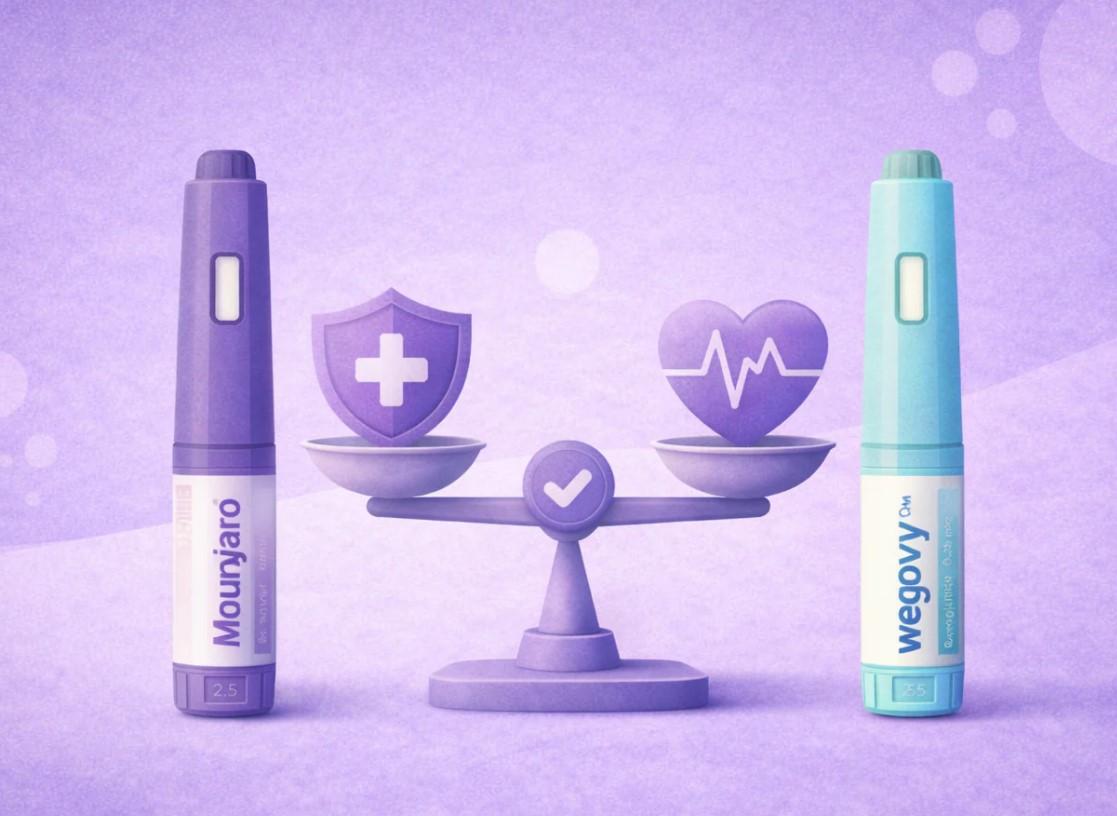
Modern weight loss injections work by using hormones that regulate appetite and reduce feelings of hunger, which helps the body lose weight in a natural and safe way.
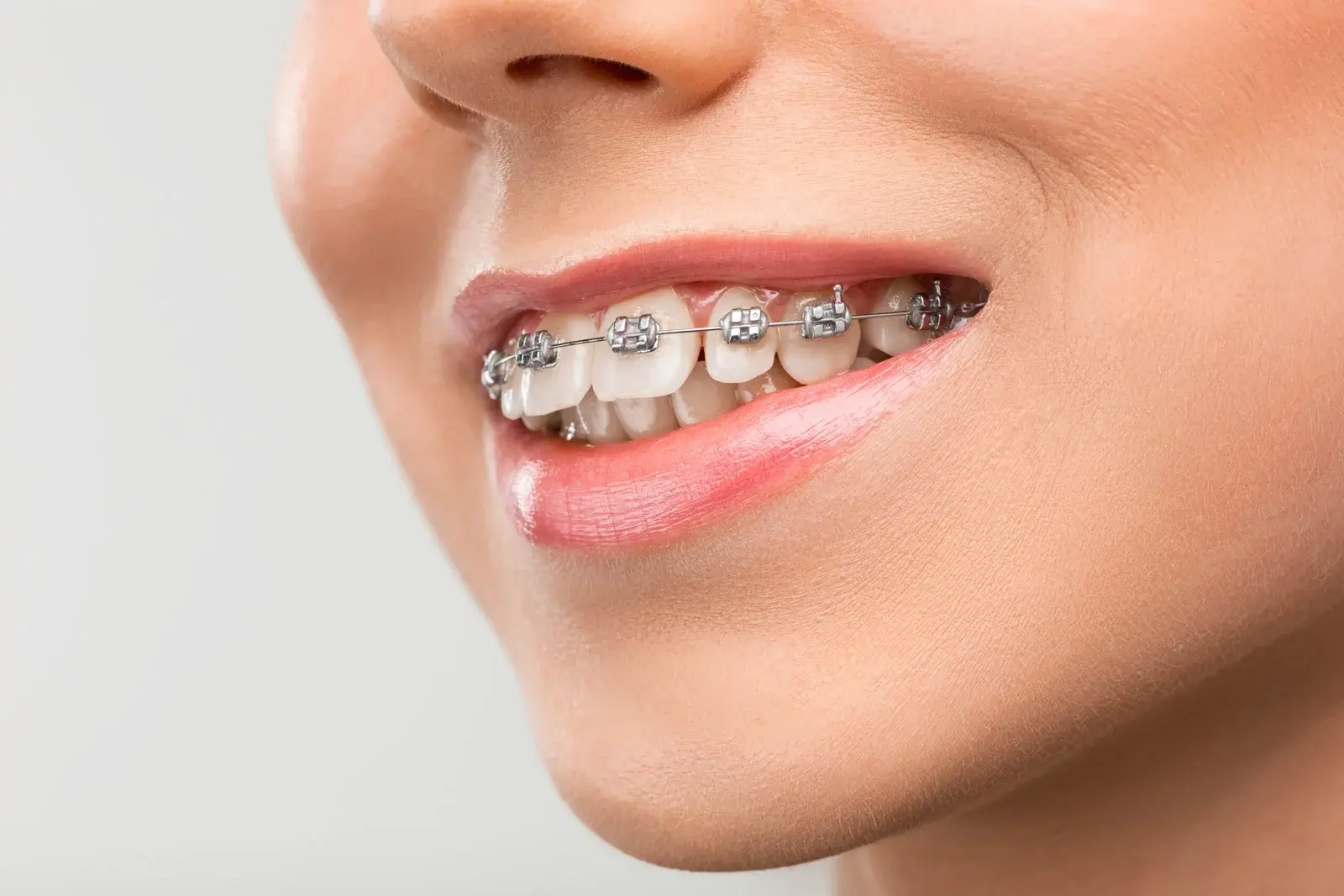
Can your orthodontic results disappear after all that effort? 🤔 Discover why retainers are essential and how to keep your perfect smile for years!
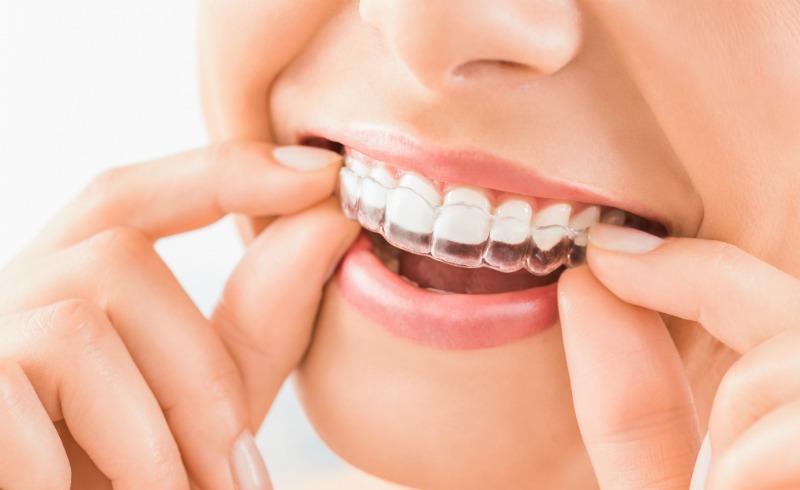
After completing orthodontic treatment, many patients think the journey is over. However, medically speaking, the most important phase begins now: the retainer phase, which is essential to maintain results and prevent teeth from shifting back to their original position.
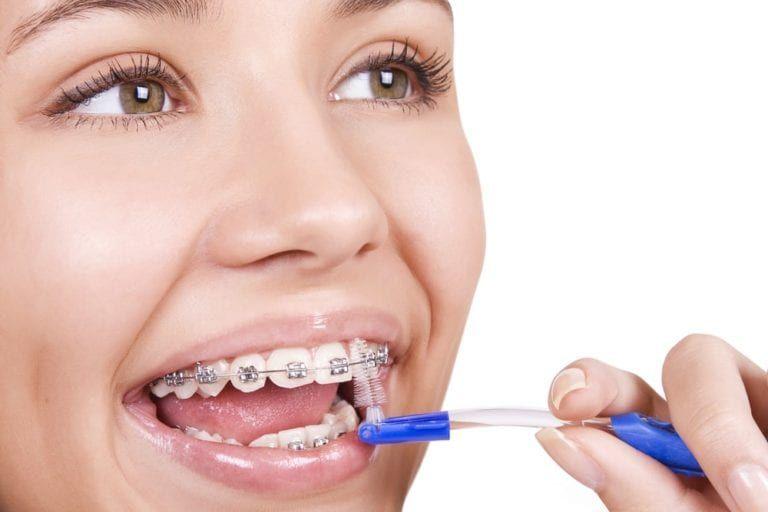
Orthodontic treatment is an important step to improve the appearance and function of teeth and jaws. However, it requires strict adherence to post-placement instructions to ensure treatment success and achieve the best possible results in the shortest time.
