Obesity and Tinnitus: The Hidden Link
A new study reveals that obesity may increase tinnitus risk by up to 50%, due to poor blood flow and metabolic issues affecting the inner ear.
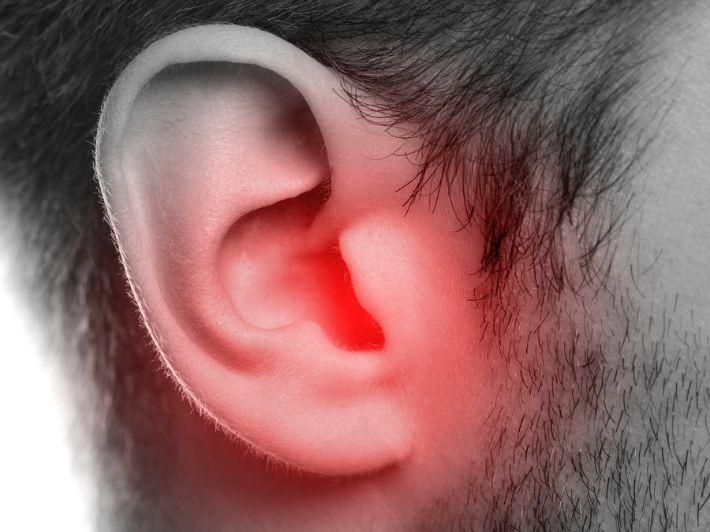
A recent medical study has found a strong link between obesity and an increased risk of tinnitus, a hearing disorder characterized by a persistent ringing or buzzing sound in the ears without any external source.
The research, conducted at Lahore General Hospital in Pakistan and published in the journal Cureus, analyzed data from 5,452 American adults. Results showed that individuals with a body mass index (BMI) over 30) were 44–50% more likely to develop tinnitus compared to those with normal body weight.
Researchers explained that excess body fat may reduce blood circulation in the tiny vessels of the inner ear, damaging auditory cells and causing chronic ringing. They also linked obesity to inflammation, metabolic syndrome, and depression, all of which can worsen tinnitus or increase its likelihood.
Tinnitus and Daily Life Impact
Tinnitus can severely affect quality of life, disrupting sleep, focus, and mental health. Around 7.6 million people in the UK suffer from tinnitus, including 1.5 million who experience severe, long-term symptoms.
Importance of Maintaining a Healthy Weight
The study emphasizes that maintaining a healthy body weight can help protect hearing by improving blood circulation and regulating sugar and lipid levels. Experts recommend regular exercise, balanced nutrition, and reducing salt, caffeine, and alcohol intake to minimize tinnitus severity.
Medical Recommendations
Doctors advise patients with tinnitus or hearing issues to monitor their BMI and metabolic health, undergo thyroid and blood sugar tests, and avoid excessive noise exposure. Adopting a healthy lifestyle can significantly reduce the risk and progression of tinnitus.
Conclusion
The study highlights that obesity affects not only the heart and metabolism but also hearing health. Maintaining a balanced weight is therefore a key preventive measure against tinnitus and a step toward improving overall well-being.

Many people, after doing medical tests, receive their results and immediately start looking at numbers and unfamiliar terms like (High – Low – Normal) without fully understanding what they actually mean.

When dealing with medical services, many people come across different titles for doctors such as “Specialist” and “Consultant”, which can sometimes create confusion about what each title actually means and how they differ from each other.

Choosing the right time to visit a doctor is not a random decision. It can directly affect how quickly a condition is diagnosed and how effective the treatment will be. Many people delay visiting a doctor or go at the wrong time, which may lead to worsening symptoms or delayed care.

Choosing the right doctor is one of the most important decisions in any healthcare journey. However, many people make mistakes during this process, which can affect the quality of care they receive or delay proper treatment. In this article, we highlight some of the most common mistakes people make when selecting a doctor, presented in a simple and informative way to help you make more informed decisions.
