
Peripheral Artery Disease: Causes, Symptoms, Complications, and Treatment
By: Dr. George Mamdouh Aziz
Introduction
Peripheral artery disease (PAD) is a common medical condition that occurs when the arteries supplying blood to the extremities (usually the legs) become narrowed due to the buildup of fat and cholesterol on the arterial walls. This narrowing reduces blood flow to the limbs, leading to a range of symptoms and serious complications such as arterial clots and gangrene if not diagnosed and treated early.
PAD is part of the broader spectrum of atherosclerotic diseases and can affect anyone. However, it is more common among older adults and patients with diabetes, high blood pressure, high cholesterol, or smoking habits.
Causes of Peripheral Artery Disease
PAD primarily results from the accumulation of fatty deposits on the arterial walls, known as plaques. These plaques narrow the artery and obstruct blood flow. The main causes include:
Atherosclerosis: The most common cause, where fat, cholesterol, and calcium accumulate in the arteries.
Diabetes: High blood sugar levels damage arterial walls and accelerate atherosclerosis.
High blood pressure: Increased pressure on the arteries increases the likelihood of damage and plaque formation.
Smoking: Nicotine and chemicals in cigarettes cause arterial narrowing and reduced blood flow.
Obesity and unhealthy lifestyle: Physical inactivity and a diet high in fats increase the risk of PAD.
Genetic factors: A family history of heart and arterial diseases increases the likelihood of developing PAD.
Early and Common Symptoms
PAD may be silent in its early stages, but as the condition progresses, clear symptoms appear, including:
Leg pain while walking (Claudication): Feeling tired or painful in the legs after walking a short distance, which subsides with rest.
Cold or pale extremities: Due to reduced blood flow.
Muscle weakness: Over time, leg muscles become weak and tire easily.
Skin ulcers and cold skin: Small sores may appear that heal slowly.
Skin color changes: The leg or foot may turn bluish or dark red.
Complications of Peripheral Artery Disease
1. Arterial Clots
When arterial narrowing worsens or plaques rupture, blood clots can form inside the artery, leading to complete blockage of blood flow. This can cause:
Sudden, severe pain in the leg or foot.
Coldness or loss of sensation in the affected limb.
Loss of ability to walk or move the limb.
urgent medical intervention to prevent serious complications.
2. Gangrene
Gangrene is the death of foot or leg tissue due to lack of blood supply. It often occurs in patients with diabetes or severe PAD. Symptoms of gangrene include:
Black or gray patches on the skin.
Foul odor due to tissue decay.
Severe swelling and persistent pain.
Gangrene may require removal of affected tissue or amputation if not treated promptly.
Diagnosis
Diagnosis of PAD relies on a combination of clinical examinations and imaging studies:
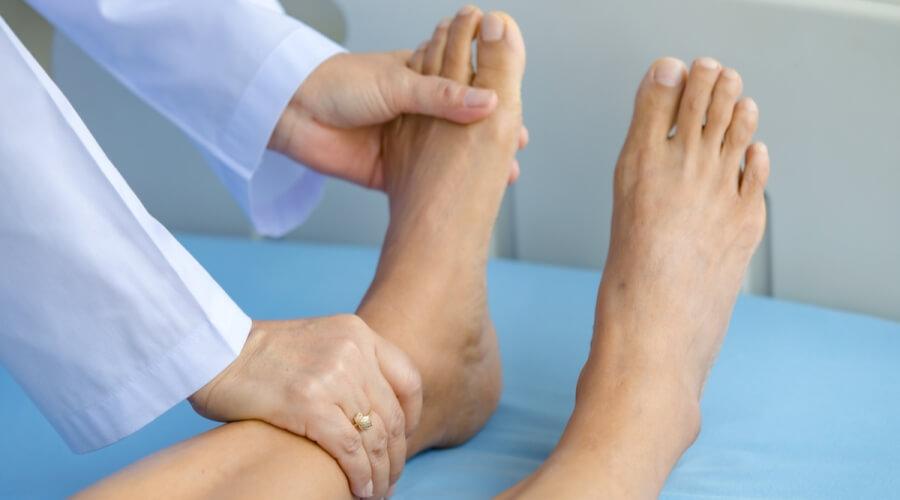
Clinical examination: Checking pulses in the feet and legs and looking for any ulcers or skin changes.
Ankle-Brachial Index (ABI): Measures blood pressure in the ankle compared to the arm to assess narrowing severity.
Doppler Ultrasound: Evaluates blood flow within the arteries.
CT or MRI Angiography: Visualizes the arteries and pinpoints blockages accurately.
Arterial Catheterization: Used in complex cases to locate blockages and plan interventions.
Treatment
Treatment of PAD aims to improve blood flow, prevent complications, and enhance quality of life.
1. Lifestyle Modification
Quit smoking completely.
Regular physical activity such as walking for 30 minutes daily.
Healthy diet low in fats, cholesterol, and sugar.
Control diabetes and high blood pressure through medications and diet.
2. Medication
Anticoagulants to prevent clot formation (e.g., aspirin).
Vasodilators to improve blood flow.
Cholesterol-lowering medications such as statins.
Anti-spasmodic medications to improve walking ability.
3. Surgical Interventions
In advanced cases, the following procedures may be performed:
Arterial Bypass Surgery: Bypassing the blocked artery using a vein graft or synthetic conduit.
Stenting or Angioplasty: Inserting a balloon to widen the artery and restore blood flow.
Thrombectomy: Direct removal of a clot from the artery.
Prevention
Prevention of PAD includes adopting a healthy lifestyle and regular monitoring with a doctor:
Regular checks for diabetes, blood pressure, and cholesterol.
Engaging in regular exercise.
Maintaining a healthy weight.
Monitoring early symptoms such as leg pain or skin ulcers.
Conclusion
PAD is a serious condition if neglected, potentially leading to arterial clots, gangrene, and limb loss. Early diagnosis, lifestyle changes, medication, or surgical intervention can prevent complications and improve quality of life.
It is essential for any patient with risk factors or early symptoms to consult Dr. George Mamdouh Aziz or a specialist in arterial diseases for assessment and treatment planning.
Remember: prevention is better than cure, and early care of the extremities can save your life and keep your limbs healthy.