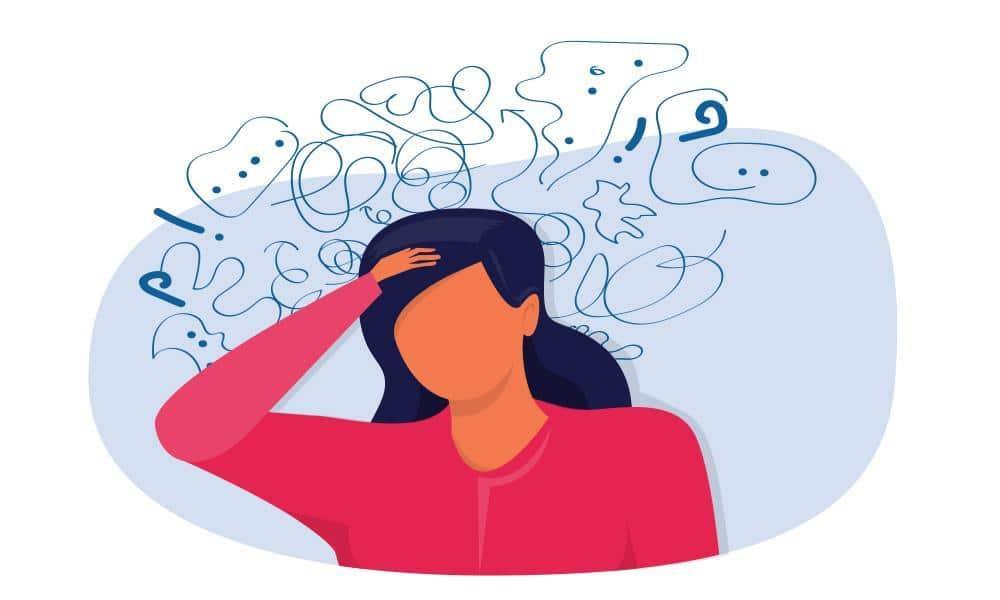

Post-Traumatic Stress Disorder (PTSD) is a psychological condition that develops after experiencing a traumatic event such as accidents, the loss of a loved one, or exposure to violence. Many people go through difficult experiences, but not الجميع develops this disorder.
Dr. Fatma El-Naggar explains that understanding the nature of this condition plays a key role in managing it and reducing its impact on daily life.
In this article, we will explain the symptoms of PTSD, its causes, and effective treatment methods in a simple and practical way.
What is Post-Traumatic Stress Disorder (PTSD)?
Post-Traumatic Stress Disorder is a mental health condition that occurs after exposure to a traumatic event that leaves a deep psychological impact. Mental health experts like Dr. Fatma El-Naggar confirm that patients often experience recurring memories of the trauma along with intense fear and anxiety that can affect daily functioning.
Causes of PTSD
Dr. Fatma El-Naggar explains that causes may vary from person to person, but common triggers include:
- Serious accidents such as car crashes
- Exposure to violence or abuse
- Sudden loss of a loved one
- Natural disasters
- Military experiences or war
Symptoms of PTSD
According to Dr. Fatma El-Naggar, PTSD symptoms can be both psychological and physical, including:
- Recurring flashbacks of the traumatic event
- Disturbing nightmares
- Avoidance of places or people مرتبطين بالحادث
- Persistent anxiety and stress
- Difficulty sleeping
- Irritability or emotional outbursts
When Should You See a Doctor?
Dr. Fatma El-Naggar advises seeking professional help if symptoms last more than a month or begin to interfere with work or social relationships.
Treatment of PTSD
Dr. Fatma El-Naggar emphasizes that treating PTSD requires a comprehensive approach, including:
- Psychotherapy: such as Cognitive Behavioral Therapy (CBT)
- Medication: in some cases to reduce anxiety and depression
- Relaxation techniques: such as meditation and breathing exercises
Can PTSD Be Treated?
Recovery from PTSD is possible, especially with proper treatment and psychological support. Early intervention significantly increases the chances of faster recovery, as highlighted by Dr. Fatma El-Naggar.
Tips for Coping with PTSD
Dr. Fatma El-Naggar recommends the following tips:
- Talk to someone you trust
- Exercise regularly
- Avoid isolation
- Seek professional psychological support
Conclusion
PTSD is a condition that requires understanding and proper support rather than neglect. Dr. Fatma El-Naggar emphasizes that early treatment plays a crucial role in improving symptoms and accelerating recovery.
If you need a professional consultation, you can contact Dr. Fatma El-Naggar for an accurate diagnosis and a personalized treatment plan.