Dr. Fatma El-Elnaggar is a clinical psychologist specializing in a wide range of modern therapeutic approaches, including She has over 12 years of experience in mental health and addiction treatment, combining high academic knowledge with practical skills to design and implement comprehensive treatment programs for psychological and behavioral disorders, with a focus on sustainable results.
Full Name
Dr. Fatma Elnaggar
City / Area
Alexandria , El Ibrahimia
Description
✨ Dr. Fatma Ibrahim Ahmed Elnaggar
Clinical Psychologist & Consultant in Mental Health and Addiction – Alexandria 🧠
🌟 About Dr. Fatma
Dr. Fatma Elnaggar is a clinical psychologist specializing in a wide range of modern therapeutic approaches, including:
🧠 Cognitive Behavioral Therapy (CBT)
🔄 Dialectical Behavior Therapy (DBT)
🌈 Acceptance and Commitment Therapy (ACT)
💭 Psychodynamic Therapy
👪 Family Counseling & Group Therapy
She has over 12 years of experience in mental health and addiction treatment, combining high academic knowledge with practical skills to design and implement comprehensive treatment programs for psychological and behavioral disorders, with a focus on sustainable results.
💬 "Every therapeutic journey is unique, and every small step towards recovery is a victory. I am here to guide you every step of the way ❤️"
🎓 Education
🏅 Ph.D. in Clinical Psychology – Alexandria University (Excellent, First Class Honors)
🎓 Master’s Degree in Clinical Psychology – Alexandria University
📜 Bachelor of Arts – Psychology – Alexandria University
This strong academic background allows Dr. Fatma to provide precise psychological assessments and develop advanced treatment plans using the latest therapeutic techniques.
💼 Professional Experience
🏥 Clinical Psychologist – Al-Riyada Center for Psychiatry & Addiction Treatment | Jan 2013 – Present
✅ Conduct comprehensive psychological assessments and diagnostic tests for new cases
📈 Design integrated treatment programs reducing therapy duration by 20%
🧩 Supervise individual and group sessions using CBT, ACT, and psychodrama
📊 Increase attendance compliance by 30% through interactive programs
👪 Provide family counseling sessions to enhance family involvement in treatment
💪 Deliver individual and group therapy for addiction and mental disorders
🔄 Reduce relapse rates by 45% over two years through personalized recovery plans
🏥 Trainee – El-Maamoura Psychiatric Hospital | May 2012 – Dec 2012
🛠️ Participated in addiction treatment workshops and therapy sessions
📝 Assisted in applying psychological tests and assessment tools
🤝 Collaborated in treatment planning and group diagnosis discussions
📂 Improved patient intake efficiency and organized case files
🎯 Contributed to enhancing group therapy session dynamics
📚 Training & Certifications
Dr. Fatma has completed numerous specialized courses and certifications to advance her skills, including:
🌀 DBT Diploma for Individual & Group Therapy – Masar Center, 2024
🎭 Psychodrama Diploma – Sawa Center, 2023
🔄 Advanced DBT & ACT Training Sessions – EACMED, 2023
🌈 Intensive ACT Program – Al-Rakhawy Institute, 2022
🧩 Schema Therapy Diploma – Schema Therapy Institute, 2021–2022
🧠 Advanced CBT courses for depression, OCD, and anxiety – 2019–2021
These programs qualify her to provide:
Individual & group therapy
Family counseling & marital guidance
Chemical & behavioral addiction treatment
Sustainable recovery programs for withdrawn patients
🌟 Skills
Personal Skills
💡 High Emotional Intelligence & Analytical Thinking
✨ Distinguished Participation in the Psychology Conference ✨ 👩🎓 Dr. Fatima Al-Najjar Participates in the Psychology Conference in Egypt 🏛️ Organized by the Egyptian Society for Psychological Studies 📚 Presenting her Master’s thesis – Faculty of Arts, Alexandria University
📜 PhD Dissertation Defense – Faculty of Arts, Alexandria University (10/4/2025)
✔️ Completion of the Diploma in Psychodrama Techniques and Trauma Therapy
✔️ Obtained my PhD from the Faculty of Arts, Alexandria University with an Excellent grade and First-Class Honors
✔️ Obtained my Master’s degree in Psychology from the Faculty of Arts, Alexandria University with an Excellent grade and First-Class Honors.
🏅 Honored by the European-American Conference for supporting recovering addicts, 2023
📜 Certificate of Appreciation from Al-Riyada Center for improving therapeutic performance, 2022
🔄 Reduced relapse rates by 45% with personalized recovery plans
📊 Increased patient attendance compliance by 30%
✅ Psychological & Addiction Treatment Services
👤 Individual & online sessions
👪 Couples & family therapy
🔥 Intensive weekly therapy groups
⏳ Long-term recovery programs (3–12 months)
📚 Professional training for therapists
🎭 Psychodrama & drama therapy
💬 Message from Dr. Fatma
"I believe every individual’s therapy journey is unique. Every small step toward recovery is a victory, and every session is an opportunity to rebuild yourself."
📍 Contact & Appointments
Address: Athar Taafy Center – Al-Ahbar St. from Al-Horreya Road – Ashraqa Tower – Alexandria 📞 Appointments: 01035393359 🕚 Saturday – Thursday | 11 AM – 11 PM (By appointment only – in-person or online)
🌐 Follow us:
TikTok: @mrkzathrtaafy 🎥
Facebook: Athar Taafy Center – Dr. Fatma Elnaggar👍
An interview with Dr. Fatima Al-Najjar about the role of drama in addressing behavioral issues and ADHD
🎭 Discussing the symptoms of Attention Deficit Hyperactivity Disorder (ADHD) 👩⚕️ Emphasizing the importance of having a psychological specialist involved in managing such cases
✨ Why did we choose the name “Athar” (Impact)? ✨
Choosing the word “Athar” wasn’t just about picking a name… 💙 It’s a true reflection of our mission and purpose.
Because every healing journey leaves a mark… ✨ And every step toward recovery makes a difference… 🌿 Creating a real impact in your life. 💫
And at Athar for Recovery, we believe that safety is the first step that leads you to the change you’re searching for. 🕊️
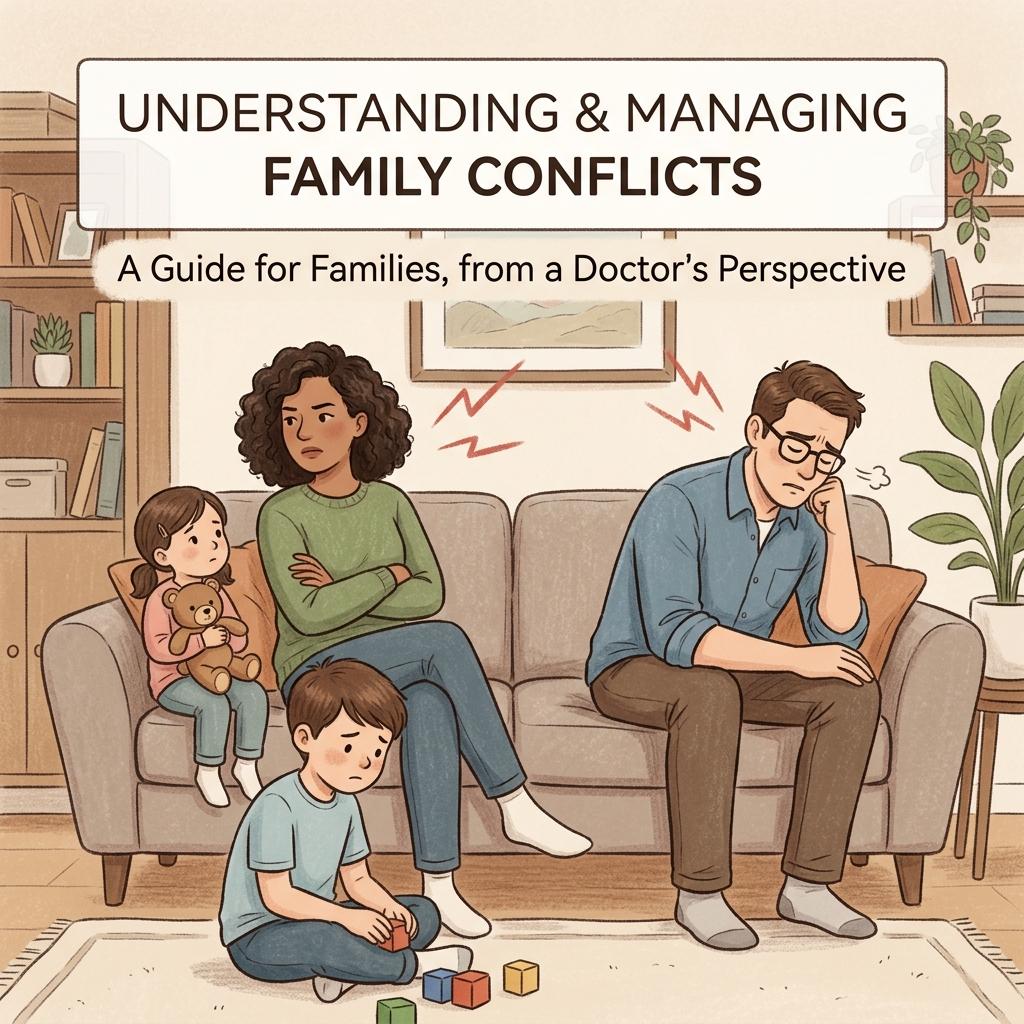
Family counseling sessions with Dr. Fatima El-Naggar help improve marital relationships by addressing conflicts, enhancing communication between spouses, and rebuilding mutual understanding and family stability, using the latest psychotherapeutic approaches in Alexandria.
Dr. Fatima El-Naggar explains the connection between anxiety, depression, and addiction, and how modern psychotherapy helps in understanding underlying causes and achieving effective recovery.
This article explains Dr. Faten Ibrahim El-Naggar’s perspective on addiction treatment as a comprehensive recovery journey rather than just stopping substance use, highlighting modern therapeutic approaches and the role of psychological and family support in achieving sustainable recovery in Alexandria.
Dr. Fatma El-Naggar provides addiction treatment and psychotherapy programs in Alexandria with extensive experience and personalized plans aimed at sustainable recovery and comprehensive patient and family support.
Feeling overwhelmed by a sudden emotional crisis?
Professional therapy sessions in Alexandria with Dr. Fatma El-Naggar help you manage acute psychological stress and trauma using evidence-based approaches for lasting recovery.
ADHD is more than just hyperactivity. It is a neurodevelopmental disorder that affects attention, behavior, and academic performance. This guide explains symptoms, causes, and modern treatment approaches, highlighting the role of behavioral therapy and psychological support in improving quality of life for both children and adults.
Post-Traumatic Stress Disorder (PTSD) is a psychological condition that develops after experiencing a traumatic event such as accidents, the loss of a loved one, or exposure to violence. Many people go through difficult experiences, but not الجميع develops this disorder.
Depression is one of the most common mental health disorders. It may start mildly and gradually worsen if not properly addressed. Many people confuse normal sadness with depression, which can delay seeking the right treatment.
Psychological abuse is one of the most common forms of harm within relationships. It is often subtle or indirect, which makes it difficult to recognize in the early stages.
Addiction is a behavioral and psychological disorder that significantly affects an individual’s life as well as their mental and physical health. It often begins as a simple habit that gradually develops into a compulsive pattern that becomes difficult to control.
Dr. Fatma El-Naggar provides comprehensive programs for addiction treatment and mental health disorders in Alexandria, including accurate diagnosis, psychotherapy, and full rehabilitation to achieve stable recovery without relapse.
Comprehensive and direct answers to the most frequently asked questions about available services and specialties.
Egypt's #1 Verified Directory
All details about Dr. Fatma El‑Nagger are available on her official profile on Misr Connect.
📞 01035393359
All information about Dr. Fatma El-Naggar is available on her official profile on Masr Connect
Address: Athar Recovery Center, El-Ahbar Street off Al-Horreya Road, Ashraqa Tower, Al-Ibrahimeya, Alexandria, Egypt
I feel constant anxiety and stress, and I don’t know how to control them.
They appear without a clear reason, in the form of overthinking, physical tension, and fear.
Yes, it’s affecting my sleep, concentration, work, and my interactions with people.
I try to escape or suppress it—sometimes through eating, isolation, or sleeping .
That I’ll get worse or lose myself and my relationships.
Dr. Fatma Ibrahim Ahmed El-Sayed El-Naggar is a clinical psychologist and psychotherapy and addiction treatment consultant with over 12 years of experience in mental health and addiction care. She holds a PhD and a Master's degree in Clinical Psychology from Alexandria University. Her specialties include Cognitive Behavioral Therapy (CBT), Dialectical Behavior Therapy (DBT), Acceptance and Commitment Therapy (ACT), psychodynamic therapy, and psychodrama. She provides individual, group, and family therapy, addiction recovery programs, psychological assessments, and comprehensive treatment planning. Online sessions are also available.
Symptoms:
1. Recurrent distressing and obsessive thoughts, such as fear of contamination or making mistakes, leading to constant feelings of anger or anxiety.
2. Compulsive behaviors manifested in repetitive actions, such as excessive hand washing or repeatedly checking things like doors or appliances.
Causes:
1. Genetic Factors: Individuals with a family history of obsessive-compulsive disorder (OCD) may be more prone to developing the condition.
2. Chemical Imbalances in the Brain: A deficiency in serotonin levels in the brain is linked to the development of OCD.
3. Environmental Factors: Life stressors or ongoing tension may contribute to the onset of symptoms.
Treatment:
1. Cognitive Behavioral Therapy (CBT): This is the most effective treatment for OCD, helping patients identify and cope with distressing thoughts in a constructive manner.
2. Medications: Selective Serotonin Reuptake Inhibitors (SSRIs) are used to reduce symptoms, and dosage adjustments may be needed based on the patient’s response.
Does it last a lifetime?
OCD can persist throughout life if not treated properly. However, effective treatment can significantly help individuals manage symptoms and improve their quality of life, making the symptoms more manageable.
1. Listening to them: It's important to listen to their feelings without judgment or criticism.
2. Encouraging expression: Help them express their feelings and anxiety in a healthy way.
3. Teaching relaxation techniques: Such as deep breathing exercises or relaxation practices to calm them down.
4. Encouraging social activities: Interacting with friends or family can help improve their mood.
5. Psychotherapy: Such as Cognitive Behavioral Therapy (CBT), which helps them deal with anxiety more effectively.
6. Focusing on physical health: Exercise, getting enough sleep, and eating healthy foods all contribute to improving their mental well-being.
If the anxiety persists or has a significant impact, it’s advisable to consult a specialized mental health professional.
Obsessive-Compulsive Disorder (OCD) is a mental disorder that may persist for extended periods, but it does not necessarily remain as severe throughout life. Symptoms can vary in intensity over time, influenced by factors such as lifestyle changes, stress, and the treatment provided.
What to know:
Treatment can help significantly:
Psychotherapy: Cognitive Behavioral Therapy (CBT), especially the Exposure and Response Prevention (ERP) technique, is highly effective in reducing symptoms.
Medications: Selective Serotonin Reuptake Inhibitors (SSRIs) can alleviate symptoms.
Full recovery is possible:
Some individuals fully recover with appropriate treatment, while others may require long-term follow-up to manage symptoms.
Factors influencing the persistence of symptoms:
Patient's adherence to treatment.
Psychological and social support.
Presence of environmental stressors.
Role of prevention and follow-up:
Minimize excessive stress as much as possible.
Adhere to psychotherapy or medication even when feeling better.
Practice relaxation techniques and meditation.
Conclusion: OCD may last for life if not properly managed, but with proper care, it can be controlled, significantly reducing its impact on a person's life.
Behavior modification sessions for teenagers are therapeutic sessions designed to improve their behaviors by teaching them healthier and more positive responses to the situations they face. These sessions help in dealing with negative behaviors like excessive anger, aggression, poor focus, or social and psychological problems.
How Behavior Modification Sessions Work:
Assessment: The first step is to assess the teenager's behaviors and identify the behaviors that need to be changed.
Training: The teenager learns new techniques to manage their behaviors, such as identifying emotions and dealing with them in a healthy way.
Rewards and Punishments: A reward system is used to reinforce positive behaviors, and mild punishments are implemented to reduce negative behaviors.
Goals:
1. Strengthen positive behaviors.
2. Improve social and communication skills.
3. Reduce destructive or negative behaviors.
Conclusion: Behavior modification sessions are an effective tool to help teenagers modify their behaviors and cope better with daily challenges
1. Identify unwanted behaviors: Such as anger, stubbornness, laziness, or aggressive behavior.
2. Encourage positive behaviors: Like following rules, improving communication skills, and boosting self-confidence.
3. Teach new skills: Such as anger management, problem-solving, and time management.
4. Improve social relationships: With family, friends, and teachers.
Initial Assessment: An interview is conducted to understand the adolescent's behavior, their problems, and the surrounding influencing factors (such as family environment, school, and friends).
Creating an Individualized Plan: A personalized treatment plan is designed based on the adolescent's needs.
Implementing Behavior Modification Techniques:
Positive Reinforcement: Rewarding good behaviors to increase their frequency.
Negative Reinforcement: Removing factors that disturb the adolescent when they behave positively.
Planned Punishment: Using moderate consequences to reduce undesirable behaviors.
Planned Ignoring: Ignoring minor undesirable behaviors to reduce their impact.
Social Skills Training: Teaching the adolescent how to interact with others in healthy ways.
1. Excessive anger or irritability: If the teenager acts overly angry or irritated in normal situations.
2. Poor academic performance due to behavioral issues: If there are problems at school because of their behavior.
3. Difficulty interacting with others or making friends: If the teenager struggles with interacting with peers or forming healthy relationships.
4. Aggressive or destructive behaviors: If they engage in aggressive or harmful actions towards themselves or others.
5. Social withdrawal or avoiding responsibilities: If they prefer isolation or avoid their responsibilities at home or school.
6. Issues with home or school rules: If they have trouble respecting rules at home or at school.
These sessions help the teenager improve their behavior and better handle these issues
Personality Disorders are classified into three main groups according to the Diagnostic and Statistical Manual of Mental Disorders (DSM-5):
1. Group (A): Odd or Eccentric Disorders
Paranoid Personality Disorder: Persistent suspicion of others' intentions.
Schizoid Personality Disorder: Social isolation and lack of emotional expression.
Schizotypal Personality Disorder: Odd behaviors and beliefs.
2. Group (B): Dramatic or Emotional Disorders
Borderline Personality Disorder: Intense emotional fluctuations and unstable relationships.
Narcissistic Personality Disorder: Exaggerated sense of self-importance.
Histrionic Personality Disorder: Excessive behavior to gain attention.
Antisocial Personality Disorder: Disregard for others' rights and aggressive behavior.
3. Group (C): Anxiety and Fear-Based Disorders
Avoidant Personality Disorder: Fear of rejection and avoidance of relationships.
Dependent Personality Disorder: Excessive dependence on others.
Obsessive-Compulsive Personality Disorder: Excessive preoccupation with details and perfectionism
1. Genetic Factors:
Some studies suggest that personality disorders can be inherited. If a family member suffers from a specific personality disorder, there may be a higher likelihood of it occurring in subsequent generations. These genetic factors could involve genes that affect thinking patterns, social interaction, and response to various situations.
2. Environmental Factors:
Childhood Trauma: Exposure to trauma, such as violence, neglect, or the loss of a parent, can contribute to the development of personality disorders. Children who experience these traumas may develop unhealthy ways of managing their emotions and relationships in the future.
Abuse: Poor treatment at home, such as bullying or harsh treatment, can significantly impact a person's psychological development and make them more prone to developing personality disorders later in life.
3. Psychological Factors:
Unhealthy Attachment Patterns: Children raised in environments lacking emotional security and effective communication with their parents or caregivers may develop attachment issues. This type of attachment can lead to feelings of mistrust or social anxiety later in life, contributing to the emergence of personality disorders.