
🧠 Psychological Abuse in Relationships: Symptoms, Types, and Recovery (Complete Guide)
📌 Meta Description
Psychological abuse in relationships is one of the most dangerous forms of invisible emotional harm. Learn its types, warning signs, effects on mental health, and how to recover and build healthy, safe relationships.
💔 What Is Psychological Abuse in Relationships?
Psychological abuse in romantic relationships is a pattern of harmful behaviors aimed at controlling the other person, devaluing them, or making them doubt their emotions and decisions.
These behaviors include:
- Constant insults or humiliation
- Emotional manipulation and guilt-tripping
- Threats or psychological intimidation
- Controlling decisions and social relationships
⚠️ The danger of psychological abuse is that it is invisible, yet it leaves deep and long-lasting emotional damage.
🔁 Types of Psychological Abuse in Relationships
Psychological abuse appears in different forms and often develops gradually:
🔹 1. Emotional Manipulation
Forcing the partner to feel guilty or constantly doubt themselves.
🔹 2. Control and Dominance
Restricting decisions or isolating the person from friends and family.
🔹 3. Constant Criticism
Ongoing negative remarks that reduce self-esteem over time.
🔹 4. Emotional Neglect
Ignoring emotional needs and lack of psychological support.
🔹 5. Constant Blame
Holding the other person responsible for all relationship problems.
🚨 Signs of an Emotionally Abusive Relationship
Early warning signs include:
😟 Constant anxiety in the relationship
Gradual loss of self-confidence
Fear of expressing opinions
Feeling guilty without reason
Social withdrawal and isolation
Persistent emotional discomfort or insecurity
📌 These signs should never be ignored as they indicate an unhealthy relationship.
💔 Effects of Psychological Abuse on Mental Health
Psychological abuse extends beyond the relationship and can lead to:
Chronic anxiety and stress
Depression and emotional numbness
Low self-esteem
Damaged social relationships
Persistent feelings of insecurity
🧠 Why Awareness of Healthy Relationships Matters
Mental health experts emphasize that relationship awareness is the first line of defense against toxic relationships.
Awareness includes:
Understanding healthy boundaries
Distinguishing love from control
Recognizing harmful behaviors early
Respecting self-worth and avoiding justification of abuse
💡 Awareness helps you make healthier and more stable decisions.
🛡️ How to Protect Yourself from Toxic Relationships
You can reduce the risk by:
✔ Setting clear boundaries from the beginning
✔ Not ignoring warning signs
✔ Trusting your intuition
✔ Talking to a trusted person when in doubt
✔ Gradually distancing yourself from harmful relationships
🌱 Steps to Recover from Psychological Abuse
Recovery takes time and emotional effort:
🔹 Rebuilding Self-Confidence
Understanding that the problem is not you but the relationship pattern.
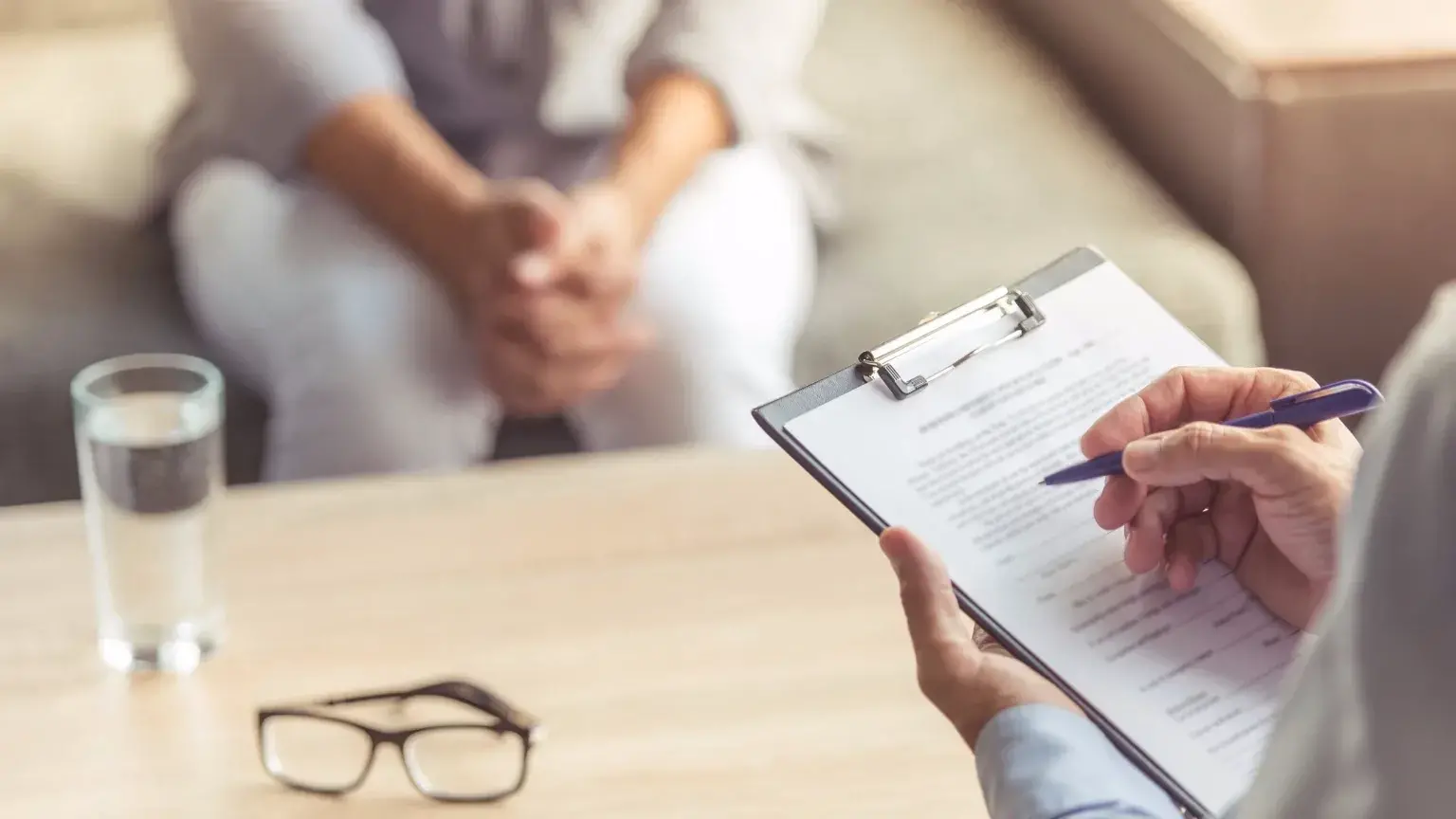
🔹 Seeking Therapy When Needed
Professional help supports emotional recovery and balance.
🔹 Social Support
Connecting with safe and supportive people.
🔹 Ending the Toxic Relationship
Gradual or complete separation depending on the situation.
🔹 Building a New Life
Focusing on personal goals and self-growth.
✨ Recovery is possible, but it requires time, courage, and consistency.
❓ Frequently Asked Questions (FAQ)
❓ Is psychological abuse worse than physical abuse?
Yes. It is invisible, often long-term, and deeply affects emotional well-being.
❓ How do I know I'm in a toxic relationship?
If you feel constant anxiety, low self-worth, or fear expressing yourself, the relationship may be unhealthy.
❓ Can I recover without therapy?
Sometimes yes, but professional support significantly speeds up recovery.
❓ How long does recovery take?
It varies depending on the relationship duration and emotional impact—ranging from months to years.
✨ Conclusion
Psychological abuse is not just conflict—it is a harmful pattern that deeply affects mental health and life quality.
💡 The key steps are: awareness + acknowledgment + taking action
Remember: asking for help is not weakness—it is the beginning of healing and building a healthier life.