Preterm Birth: A Comprehensive Guide for Every Pregnant Woman to Understand Symptoms and Prevention
With Dr. Rania Alawadi – Consultant Obstetrician and Gynecologist, Nasr City
Dr. Rania Alawadi explains that preterm birth is a condition that requires a pregnant woman’s quick awareness, as timely intervention can completely change the outcome for both mother and baby.
Preterm birth refers to delivery before the 37th week of pregnancy, so careful monitoring during pregnancy is not a luxury, but an essential part of medical safety for both mother and child.
What is Preterm Birth?
Preterm birth is any delivery that occurs before the completion of the 37th week. The earlier the birth occurs, the higher the likelihood that the newborn will require special care after birth.
For this reason, Dr. Rania Alawadi always emphasizes the importance of regular prenatal check-ups, especially during months when early warning signs are more likely to appear.
Early Symptoms You Should Not Ignore
Dr. Rania Alawadi points out that some women confuse normal pregnancy symptoms with signs of preterm labor. The most important symptoms that require immediate medical attention are:
Regular, frequent contractions that do not stop with rest.
Persistent lower back pain or noticeable pelvic pressure.
Lower abdominal cramps resembling menstrual pain that gradually increase.
Sudden change or significant increase in vaginal discharge.
Leakage of watery fluid (suspected amniotic fluid).
Vaginal bleeding or spotting.
The appearance of even one symptom consistently is enough to seek medical evaluation without delay.
Causes of Preterm Birth and Risk Factors
Dr. Rania Alawadi explains that preterm birth may result from a single cause or a combination of factors. Some of the most common risk factors are:
A history of previous preterm birth.
Pregnancy with twins or more.
Certain cervical or uterine problems.
Untreated infections during pregnancy.
Severe physical or psychological stress.
Some uncontrolled chronic diseases during pregnancy.
Having a risk factor does not necessarily mean preterm birth will occur, but it does indicate the need for careful monitoring and a clear preventive plan.
How Following Up with Dr. Rania Alawadi Can Reduce Risk
Medical follow-up with Dr. Rania Alawadi relies on the principle of prevention before complications, through:
Regular assessment of the pregnant woman’s health.
Monitoring early warning signs at every visit.
Appropriate tests according to gestational age and medical history.
Individual treatment plan for high-risk cases.
Clear instructions for the pregnant woman: when to rest, when to move, and when to go to the emergency room.
This approach helps reduce the chances of preterm birth and supports carrying the pregnancy to a safer stage, God willing.
When to Go to the Emergency Room Immediately?
Dr. Rania Alawadi advises heading directly to the emergency room if any of the following occur before the 37th week:
Leakage of amniotic fluid or continuous fluid from the vagina.
Clear vaginal bleeding.
Strong, regular contractions every few minutes.
Severe, persistent pain that does not improve with rest.
Noticeable decrease in fetal movements.
Quick decision-making here is very important to protect both mother and child.
Can Preterm Birth Be Prevented?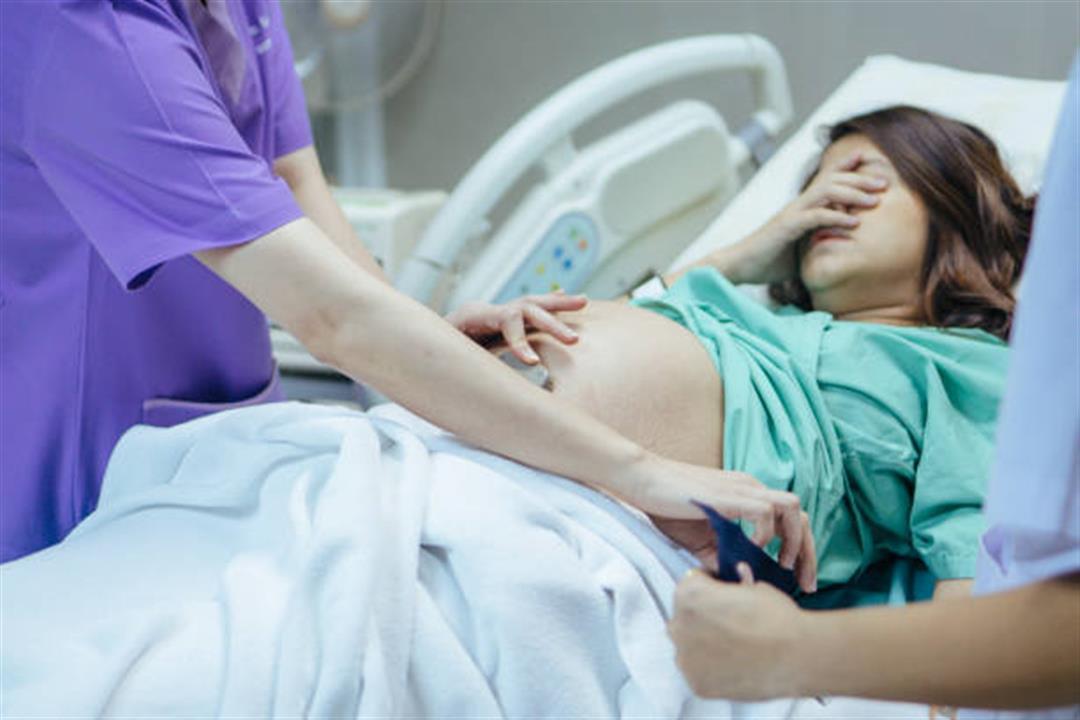
Dr. Rania Alawadi emphasizes that prevention is possible in a large percentage of cases through:
Adhering to prenatal visits.
Treating any infections or abnormal symptoms early.
Regulating physical effort and reducing stress.
Following the doctor’s instructions and prescribed medications when necessary.
Seeking medical help immediately when warning signs appear.
Conclusion
Awareness of preterm birth signs + regular follow-up = better chance for a safe pregnancy.
Through careful monitoring with Dr. Rania Alawadi, risk factors can be detected early, and an appropriate plan can be set for each case to minimize complications as much as possible.