

All details about Dr. Rania El‑Awady are available on her official profile on Misr Connect.
📞 01113942312

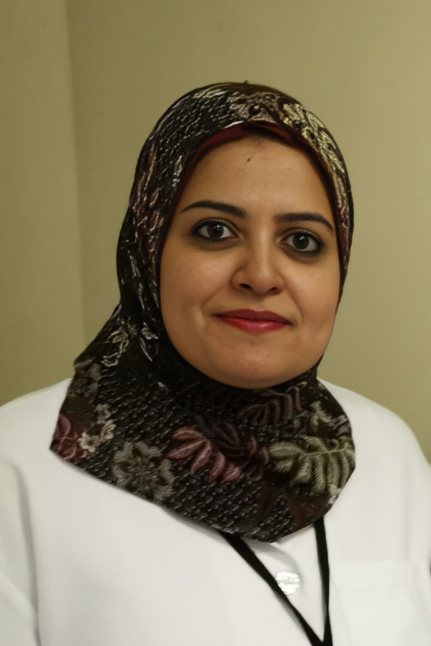
Dr. Rania El-Awadhi
📍 47 Abdel Razek El-Senhoury, from Makram Ebeid, Nasr City - 2nd floor (above H2O Gym)., Nasr City, Cairo
Location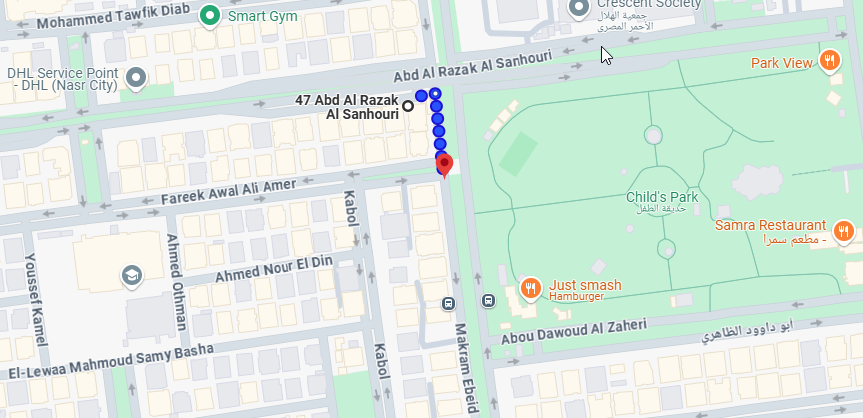
Consultant in Obstetrics, Gynecology, and Aesthetic Gynecology
Dr. Rania Al Awadi
Consultant in Obstetrics, Gynecology, and Aesthetic Gynecology
Head of Obstetrics and Gynecology Department at ERMC Hospital🎓 Academic Qualifications:
Master's Degree in Obstetrics and Gynecology – Ain Shams University
Obtained a Master's degree in Obstetrics and Gynecology from Ain Shams University, which strengthens her position in providing specialized medical care.
Bachelor of Medicine and Surgery
Graduated from Medical School, receiving a Bachelor's degree in Medicine and Surgery, enabling her to provide comprehensive patient care.
Diploma in Aesthetic Gynecology – American Society of Aesthetic Gynecology
Specialized in Aesthetic Gynecology, reflecting her expertise in advanced techniques in this field.
Advanced Ultrasound Training
Completed advanced ultrasound training, enhancing her ability to accurately diagnose gynecological conditions.
💼 Professional Experience:
18 years of experience in Obstetrics, Gynecology, and Aesthetic Gynecology, making her an expert in the women's health field.
Pregnancy and Birth Care:
Providing comprehensive care for all stages of pregnancy and birth, with a focus on critical cases such as:
Ectopic pregnancy
High blood pressure
Gestational diabetes
Infertility Treatment:
Providing advanced treatments for infertility, using techniques such as in vitro fertilization (IVF) and recurrent miscarriage treatment.
Gynecological Disease Diagnosis and Treatment:
Treating reproductive health disorders, infections, hormonal imbalances, and addressing menstrual problems.
Early Cervical Cancer Screening:
Performing routine screenings for cervical cancer using early detection methods to ensure women's reproductive health.
Gynecological Surgeries:
Performing gynecological surgeries, including cesarean sections, tummy tucks, and aesthetic gynecological surgeries at prominent hospitals.
💉 Medical Services Provided:
1️⃣ Pregnancy and Birth Care:
Comprehensive care for pregnancy, from conception through to birth, with advice and medical attention throughout.
2️⃣ Infertility Treatment:
Diagnosis and treatment using advanced techniques like IVF, ovulation stimulation, and reproductive surgery.
3️⃣ Aesthetic Gynecology Consultations and Services:
Aesthetic gynecology services such as filler injections, skin tightening, and laser treatments.
4️⃣ Gynecological Disease Diagnosis and Treatment:
Treating gynecological conditions such as infections, cervical cancer, and menstrual irregularities.
5️⃣ Early Cervical Cancer Screening:
Performing Pap smears for early detection of any issues in the cervix, ensuring the well-being of the patient.
💼 Professional Memberships:
Member of the Egyptian Medical Syndicate
A registered member of the Egyptian Medical Syndicate, reflecting her commitment to the highest standards of medical practice and patient care.
📍 Address:
47 Abdul Razek El-Sanhouri, from Mokrim Obaid, Nasr City – 2nd Floor (Above H2O Gym)
Located in the Nasr City area of Cairo, with easy access for patients.📞 Contact Information:
Phone: 01113942312
You can contact her via phone or WhatsApp for appointments or inquiries.
Email: [email protected]
Feel free to send any inquiries through email for more details.🎯 Dr. Rania Al Awadi’s Message:
"With over 18 years of experience, I am committed to providing comprehensive medical services aimed at enhancing women’s health and ensuring their comfort both physically and mentally. I adhere to the use of latest technologies and scientific methods to achieve the best outcomes for my patients."
📅 Appointment Booking:
For appointments or inquiries, please contact her via the provided phone or email. It’s recommended to call in advance to secure a convenient appointment time.
Additional Notes:
Comprehensive services for women, including pregnancy care, infertility treatments, and aesthetic gynecology.
Routine checkups for early detection of cervical cancer and gynecological conditions.
Utilization of state-of-the-art medical techniques to ensure optimal results.
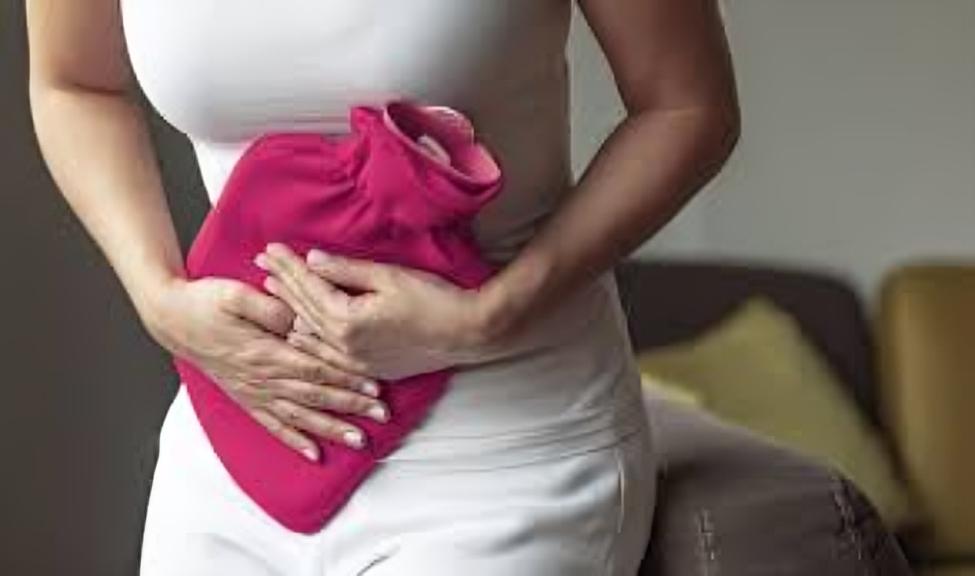
تعتبر الدورة الشهرية من الظواهر الطبيعية التي تمر بها كل امرأة في سن الإنجاب، ولكن قد تواجه بعض النساء مشاكل متعلقة بها تؤثر على حياتهن اليومية

If you are looking for an obstetrics and gynecology doctor in Nasr City who combines extensive experience, accurate diagnosis, and comprehensive medical care, Dr. Rania Elawady is considered one of the leading names in this field. With more than 18 years of experience, Dr. Rania provides specialized services aimed at maintaining women’s health throughout all stages of life, from adolescence to postnatal care.

If you are looking for an obstetrician and gynecologist in Nasr City, Dr. Rania El-Awady is a consultant in obstetrics, gynecology, and cosmetic gynecology, providing comprehensive care for every mother during and after pregnancy.

A Comprehensive Guide to Preterm Birth: Early Symptoms, Causes, Prevention Methods, and When to Go to the Emergency Room. With Dr. Rania El-Awady, Consultant of Obstetrics and Gynecology in Nasr City – Cairo.

Discover Dr. Rania El Awady’s comprehensive women’s healthcare services in Nasr City, including pregnancy follow-up, menstrual disorder treatment, and fertility care.
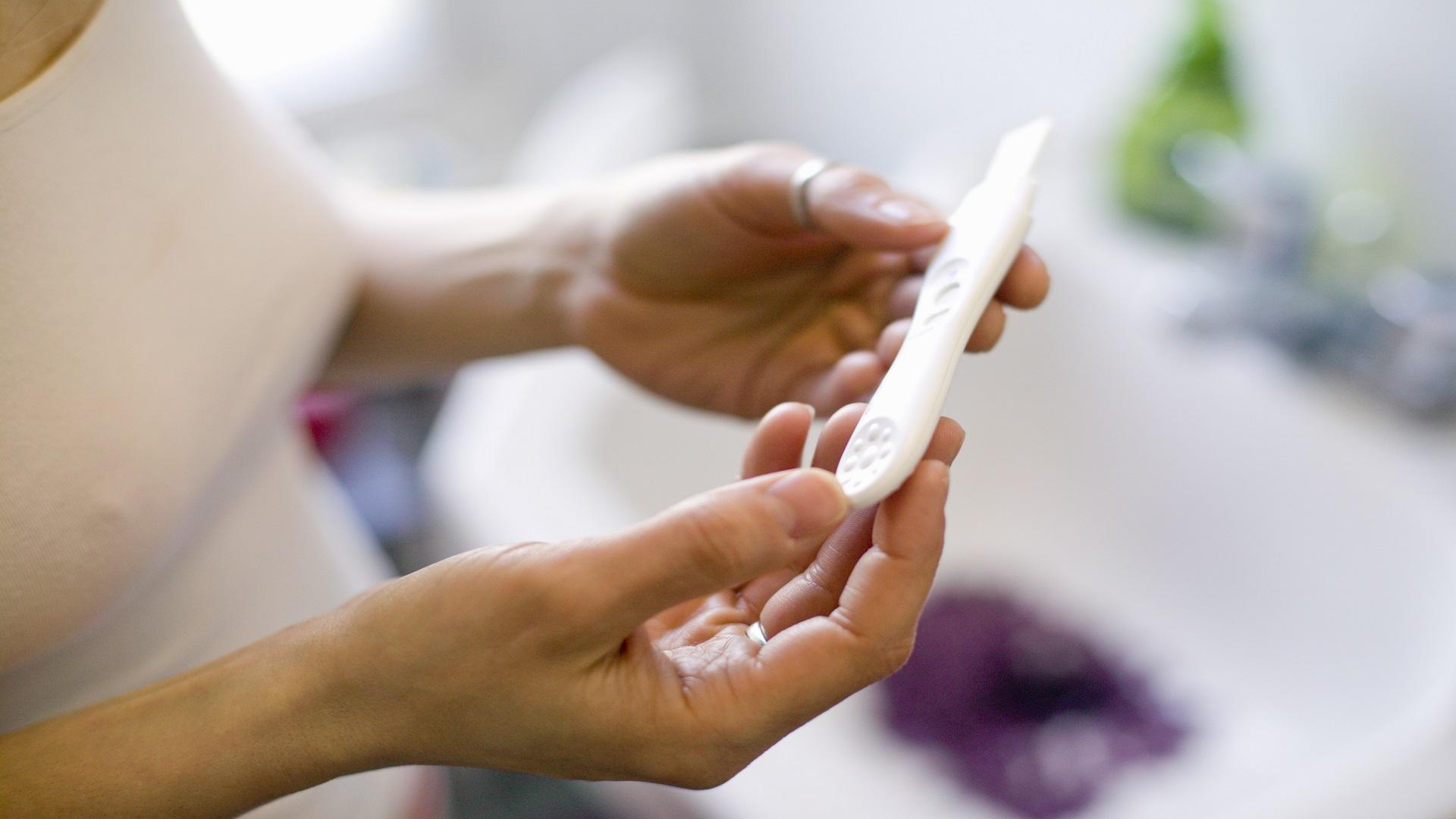
Infertility treatment steps in Nasr City with Dr. Rania El Awady include precise diagnosis, personalized treatment plans, and advanced assisted reproductive techniques to maximize pregnancy success.

Visiting a gynecologist is an essential step for every woman, whether she is seeking prenatal care, addressing fertility issues, or maintaining overall health. With the variety of health concerns women face, there are common questions that occupy many minds. In this article, we will explore these questions in detail with reliable answers from Dr. Rania El Awady, a specialist in obstetrics and gynecology in Nasr City, providing a practical guide for every woman looking for accurate medical information.
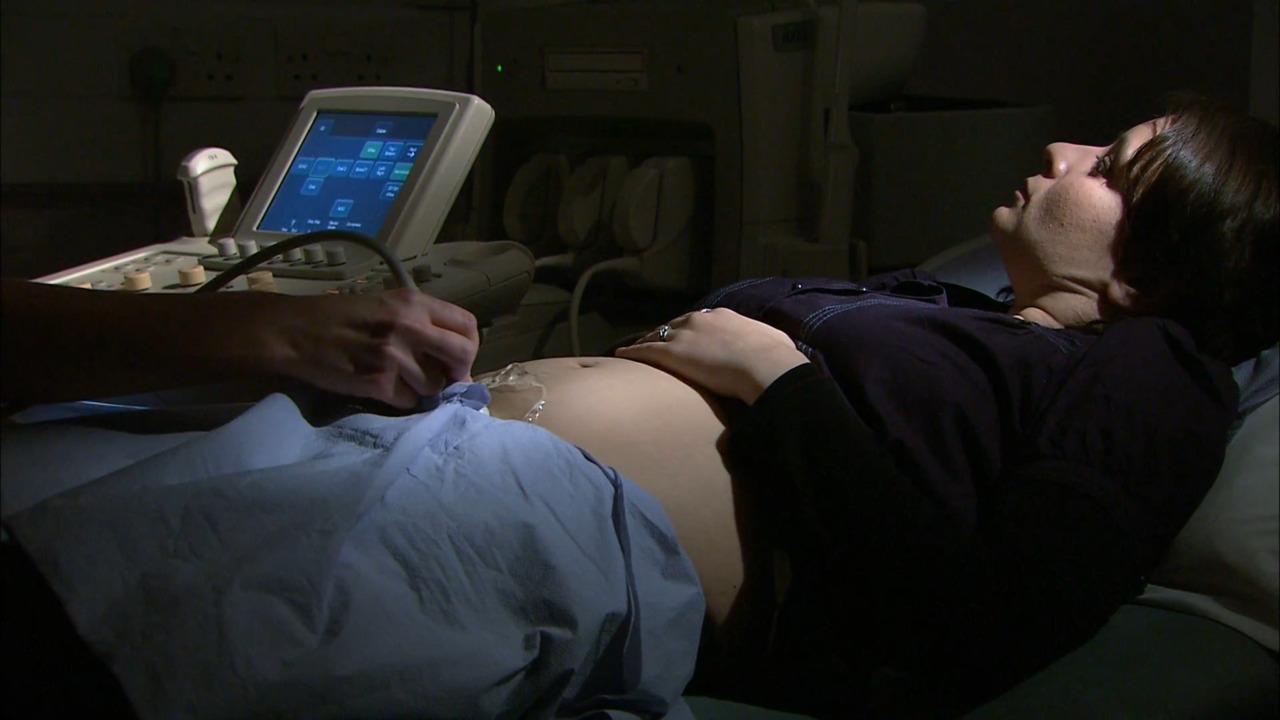
Are you feeling anxious about your first pregnancy experience? Are you searching for trusted prenatal care and continuous support throughout your pregnancy journey?

A comprehensive medical article explaining the ICSI process step by step, highlighting the most important success factors and reasons why outcomes may vary from one case to another. The article also emphasizes the importance of precise medical monitoring in Nasr City to maximize success rates in infertility treatment and assisted reproduction.
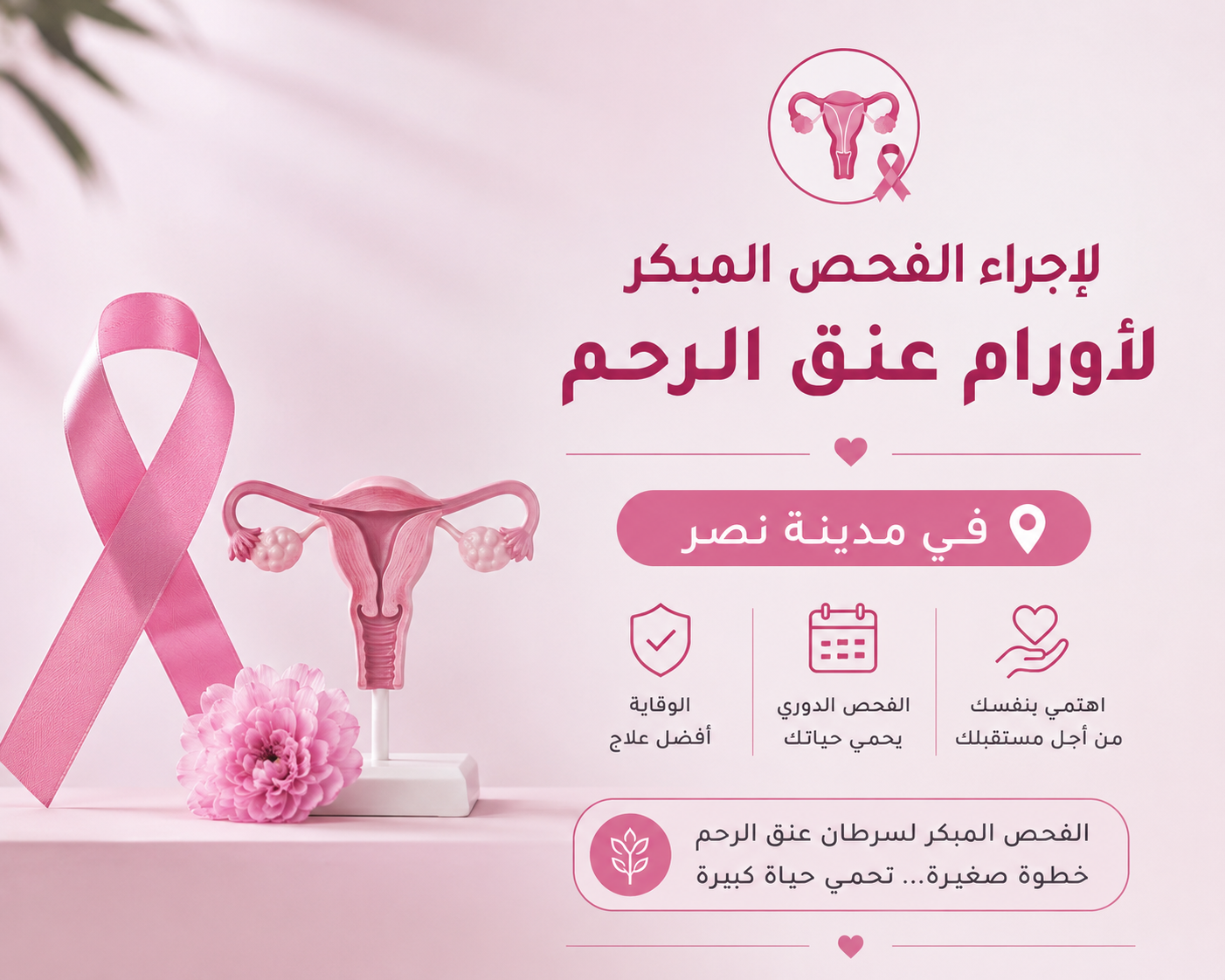
Early cervical cancer screening in Nasr City with Dr. Rania El Awady helps detect abnormal cervical cell changes before they develop into cancer. Through Pap Smear tests, HPV screening, and advanced diagnostic methods, women can significantly improve treatment outcomes and protect their reproductive health through early detection and regular follow-up.

Dr. Rania El Awady provides specialized infertility treatment services through accurate diagnosis, personalized treatment plans, and continuous medical follow-up to improve pregnancy chances and help couples achieve their dream of parenthood.
Learn about the treatment and management of gynecological conditions, including genital infections, menstrual disorders, and cervical problems, with Dr. Rania El Awady in Nasr City.
Dr. Rania Al Awadi is a Consultant in Obstetrics, Gynecology, and Women's Aesthetic Surgery with over 18 years of experience providing comprehensive care for women in areas such as pregnancy and childbirth, infertility treatment, gynecological disorders, and women's aesthetic surgery. Dr. Rania currently serves as the Head of the Obstetrics and Gynecology Department at ERMC Hospital.
Dr. Rania has an outstanding academic background, having earned her Master's degree in Obstetrics and Gynecology from Ain Shams University. Additionally, she holds a Diploma in Women's Aesthetic Surgery from the American Society of Aesthetic Gynecology and has completed an advanced training course in ultrasonography.
The consultation fee has not been specified yet, but every visit will receive specialized and highly professional medical care.
Dr. Rania El Awady’s clinic is located in Nasr City, 47 Abdel Razek El-Sanhouri, off Makram Ebeid Street – 2nd floor above H2O Gym.
You can contact the clinic to schedule suitable appointments, and it is recommended to call in advance to secure a convenient time .
All information about Dr. Rania El-Awady is available on her official profile on Masr Connect
Address: 47 Abdel Razek El-Sanhouri Street, off Makram Ebeid, Nasr City, Second Floor (above H2O Gym), Nasr City, Cairo, Egypt
Advantages and Disadvantages of Cesarean Section
Advantages:
1. Avoiding labor complications: A good option in certain situations such as abnormal fetal position.
2. Scheduled timing: The procedure can be planned and scheduled.
3. Reduced pressure on the baby: Suitable in conditions like high blood pressure or diabetes.
4. Avoiding labor injuries: Reduces the risks associated with natural childbirth.
Disadvantages:
1. Longer recovery time: The recovery period is longer compared to natural birth.
2. Surgical risks: Including infection and bleeding.
3. Future complications: It may increase the risk of problems in future pregnancies.
4. Impact on breastfeeding: May cause difficulties in initiating breastfeeding.
1. First follow-up visit: It is important to see your doctor 6 weeks after childbirth. This visit allows the doctor to check the healing of your incision if you had a cesarean or vaginal delivery.
2. Examination of the uterus and pelvis: The doctor will check to ensure that your uterus has returned to its normal size and that the reproductive organs are functioning properly.
3. Mental health: The doctor may also discuss your mental health and offer you the opportunity to talk about any overwhelming feelings after childbirth, such as postpartum depression.
4. Breastfeeding support: This visit is also essential for receiving guidance on breastfeeding, or if you need assistance with any related challenges.
1. Calorie burning: Breastfeeding requires a significant amount of energy. You can burn up to 500 calories a day while nursing, which can help in shedding some of the excess weight gained during pregnancy.
2.Proper nutrition: It’s essential to follow a balanced diet that includes fruits, vegetables, and proteins. Eating nutritious foods will provide you with the energy needed to take care of your baby and maintain your health.
3.Gradual process: Postpartum weight loss is not fast. It may take several months to return to your pre-pregnancy weight, which is completely normal. It's important to be patient and stay active during this time.
1. Tissue stretching: During pregnancy, the pelvis expands to accommodate the growing baby. These changes can lead to pelvic pain after childbirth.
2. Vaginal delivery: If you had a vaginal birth, the stretching of the vagina and surrounding tissues can cause discomfort. This pain may take some time to subside.
3. Tears or stitches: If stitches were needed to repair vaginal tears during delivery, you may experience pain from these stitches.
4. Hormonal changes: Hormonal fluctuations after childbirth can affect your body, causing pain or pressure in the pelvic area as it adjusts back to normal.
The ease of a second C-section can depend on several factors. In many cases, the second C-section might be less complicated than the first. Here are some points that explain this:
1. Faster recovery
Some women find they recover more quickly after a second C-section, as previous experience helps them recognize normal signs and potential complications.
2. Psychological preparation
Women who have had a C-section before may be mentally better prepared to handle the procedure, making the experience less stressful.
3. Known surgical procedure
Doctors may have more experience performing C-sections after the first one, which could reduce risks and complications.
3. Potential issues
However, some factors could make the second C-section more complicated, such as previous health issues or scars or infections from the first procedure, which might affect recovery.
4. Medical evaluation
It's essential to evaluate each case individually. Factors like the mother's health, age, and any previous complications can affect the outcome of a second C-section.
The incision from a second cesarean delivery typically heals fully within 6 to 8 weeks after the surgery. However, the healing time may vary depending on several factors, including:
1. Health of the mother: The mother’s overall health before and after the surgery can affect the healing speed.
2. Wound care: Proper care of the incision, such as keeping it clean and dry, can contribute to faster healing.
3. Lifestyle: A healthy lifestyle, including proper nutrition and avoiding strenuous physical activity, plays a role in healing speed.
4. Complications: Any complications, such as infection or bleeding, may delay healing.
5. Doctor's follow-up: It is important to follow up with the doctor to ensure there are no issues with healing.
The mother may feel some discomfort around the incision during the first few weeks, but the internal tissues may take longer to heal completely. If you have any concerns about healing, it is recommended to consult with a doctor.
For more information, you can visit reliable health and maternity websites.
The signs of a second cesarean delivery are quite similar to those of the first, with some slight differences. Here are the key signs that may indicate the approach of a cesarean birth:
1. Labor Pains: You may feel pain or cramping in the abdominal area, which is a sign that labor is approaching.
2. Water Breaking: If your water has broken, this could indicate that labor is about to begin.
3. Changes in Fetal Movement: You might notice changes in the baby's activity, such as an increase or decrease in movement.
4. Regular Contractions: Frequent contractions could signal the start of labor, even if the delivery is planned as a cesarean.
5. Vaginal Discharge: Increased vaginal discharge is common before labor, and you may notice some mucus or bloody discharge.
6. Emotional Changes: Feeling anxious or stressed is natural before delivery.
7. Medical Guidance: Consult with your doctor before the scheduled delivery date, as they may provide additional signs based on your specific situation.
If you would like to learn more about these signs and how to prepare for a second cesarean delivery, you can refer to specialized medical sources.
In most cases, the second cesarean section is performed using the same incision from the first surgery. However, there are several factors to consider:
1. Type of Incision: In most cases, the doctor will use the same incision made during the first cesarean section. This can help reduce risks related to new scarring.
2. Possibility of a New Incision: In some cases, if the previous scar is unsuitable or if there are complications such as infections or severe scarring, the surgeon may opt for a new incision.
3. Impact on Healing: Reusing the same incision may help speed up the healing process and reduce pain, but the scar should be carefully monitored to avoid complications.
4. Medical Evaluation: It’s important to consult with your doctor before the procedure to determine the best course of action based on your medical history.
If you are seeking more detailed information about the second cesarean section, you can refer to trusted medical sources or consult with your doctor for personalized advice.
1. Day 1: After a cesarean section, it can be difficult for a woman to move naturally due to the surgery. However, doctors typically recommend sitting in bed and moving a little after several hours following the procedure.
3. Day 2: Women are generally able to start walking short distances within the room or along the hallways. Light walking helps stimulate circulation and reduces the risk of blood clots.
3. Rest with movement: Movement should be slow and within personal comfort limits, avoiding any strenuous physical activity that could strain the incision.
4.Gradual increase: Over time, physical activity can be gradually increased, such as walking longer distances or climbing stairs with caution.
5. Consult with a doctor: It is always important to consult with the doctor before engaging in any more intense physical activity, especially if there were complications during the delivery.
6. Monitor symptoms: Women should monitor for any symptoms like pain or bleeding after moving, and if anything abnormal occurs, they should inform the doctor immediately.
The timing of a second cesarean section depends on several factors, including the mother’s and baby’s health, as well as the history of previous pregnancies. Typically, planned cesarean sections are scheduled for week 39 of pregnancy, but the timing can be adjusted based on health conditions. Here are some important points regarding the timing of the procedure:
1. Doctor's Assessment: The timing is based on the doctor’s evaluation and the condition of the pregnancy. The procedure may be moved earlier or later if there are any health concerns.
2. Baby's Health: If there are any issues with the baby, such as reduced movement or insufficient growth, the delivery may be scheduled earlier.
3. Medical History: The mother’s history with previous cesarean sections will be considered, as this can influence the timing of the delivery.
4. General Recommendations: It is often recommended to schedule the cesarean section at week 39 to minimize risks for both the mother and the baby.
For more detailed information, it is advisable to consult with a specialist who can provide guidance based on your specific situation.
1. Early stage: Most mothers begin to feel their baby's movements between weeks 16 and 25 of pregnancy. Initially, you may experience light movements, such as bubbles or quick flicks.
2. Clear kicks: As the pregnancy progresses, the movements become more distinct. You might feel small kicks or stronger movements. These moments are often exciting and full of anticipation.
3. Differences between women: Some women feel the movements earlier, while others may take a bit longer. The important thing is that, at some point during the pregnancy, you'll feel your baby moving.
A C-section for a first-time mother is typically performed in the ninth month, often between weeks 39 and 40. Several factors influence the timing of a C-section:
1. Mother's and baby's health: If the health of the mother or the baby requires intervention, such as high blood pressure or low fetal movement, the procedure may be scheduled earlier.
2. Previous birth history: For a first-time mother, there's usually more flexibility in setting the date, but any past complications should be taken into account.
3. Doctor's recommendations: The final timing of the C-section depends on the doctor’s evaluation of the pregnancy.
4. General health status: If there is a risk of complications during a natural birth, the doctor may schedule the C-section sooner.
Overall, the timing of the procedure is determined based on a medical evaluation specific to each case. For further inquiries regarding your specific situation, it's recommended to consult your healthcare provider.
A C-section at 38 weeks is generally considered safe, but several factors should be taken into account:
1. Fetal development: By 38 weeks, most babies are sufficiently mature to be born. However, it's important to ensure the baby doesn't have any health issues, such as underdevelopment or specific medical conditions.
2. Mother's health: If the mother has health problems such as high blood pressure or gestational diabetes, a C-section at 38 weeks may be recommended to reduce potential risks.
3. Doctor's recommendations: The final decision depends on the doctor's evaluation of the pregnancy. Always follow medical advice, as the doctor will have a better understanding of both the mother's and the baby's condition.
4. Potential risks: The closer the birth is to 40 weeks, the higher the chances of the baby avoiding health issues. However, if a C-section is necessary, 38 weeks is considered an acceptable time for delivery in most cases.
For more accurate details or specific cases, it's best to consult a specialized doctor.
To achieve an easy natural birth, there are several steps and tips you can follow:
1. Planning ahead: It's important to have a birth plan, including choosing the location (such as a hospital or birth center) and the care team (such as a doctor or midwife) who will assist during the birth process.
2. Exercise: Engaging in suitable exercises during pregnancy, such as walking, can help improve physical fitness and ease the birth process. Breathing and relaxation exercises are also beneficial.
3. Proper nutrition: Eating a healthy, balanced diet can promote the health of both mother and baby. Staying hydrated by drinking plenty of water is also important.
4. Breathing techniques: Learning breathing and meditation techniques can help manage pain and reduce stress during labor.
5. Psychological support: Having a supportive person, whether a partner or a friend, can have a positive impact on the birth experience.
6. Relaxation and water: Taking a warm bath or using a birthing pool can help alleviate tension and pain.
7. Talking to your healthcare provider: Discuss your concerns and desires with your doctor or midwife before labor. They may offer additional advice and personalized support.
8. Attending childbirth classes: Joining childbirth classes can help you understand the labor process and how to manage it effectively.
These tips can help make your birth experience smoother and less stressful. For more detailed information, you can refer to trusted sources, such as specialized medical websites or consult your doctor.
As you near your due date, several signs can indicate that labor is near:
1. Contractions: You may notice an increase in the intensity and frequency of contractions, often felt in the lower abdomen or back. These contractions may start off irregular but become more regular over time.
2. Changes in discharge: You may experience an increase in vaginal discharge or notice the mucus plug being expelled. The mucus plug is a thick substance that formed in the cervix for protection.
3. Water breaking: In some cases, the water (amniotic sac) may break before labor starts, signaling that childbirth is imminent. If this happens, you should go to the hospital.
4. Pressure in the pelvis: Increased pressure in the pelvic area or lower back can indicate that labor is near.
5. Braxton Hicks contractions: These are "false" contractions that can occur in the last weeks of pregnancy. They are usually irregular and don't lead to labor.
6. Changes in physical activity: You might feel less energetic or have an urge to "nest," meaning you might feel compelled to do household chores or prepare for the baby.
If you notice any of these signs or have concerns, it's a good idea to consult your doctor or healthcare provider for an accurate assessment.
Giving birth at night is a common phenomenon, and there are several possible reasons behind this:
1. Hormonal changes: During the night, the levels of hormones like oxytocin increase, which stimulates uterine contractions. These hormonal changes are believed to help initiate labor naturally during the night.
2. Relaxation of the body: At night, the body tends to relax more, which may contribute to the onset of labor. The peaceful and comfortable conditions of sleep can be conducive to triggering the labor process.
3. Biological rhythm: Some studies suggest that labor may align with a woman’s natural sleep pattern, with the body being more ready for labor during nighttime.
4. Environmental factors: The nighttime quiet may also influence the birthing environment, reducing stress and anxiety, which can help women enter labor more smoothly.
While these reasons are common, the timing of labor can vary from woman to woman and can happen at any time of the day.
After giving birth, a woman typically loses weight, although the amount varies depending on individual circumstances. Here’s an overview:
1. Immediate weight loss: Women usually lose around 5 to 6 kilograms immediately after delivery. This includes the weight of the baby, the placenta, and excess fluids.
2. Postpartum weight loss: Over the following weeks, women may continue to lose weight as the body sheds additional fluids and adjusts to hormonal changes.
3. Key factors: Diet, physical activity, and breastfeeding play significant roles in postpartum weight loss. Breastfeeding, in particular, is known to help burn extra calories.
4. Recovery timeline: The time required for recovery and weight loss varies greatly between individuals. Prioritizing overall health and well-being is essential during this period.
Enhanced Emotional Bonding: Natural birth is a powerful experience that strengthens the emotional connection between the mother and her baby. Immediate interaction after birth helps solidify this bond.
For first-time mothers, several physical and emotional changes indicate that labor is approaching. Here are some common signs:
Labor Contractions: Mothers may begin to feel regular contractions in their abdomen, which typically become stronger and more consistent as time progresses. Initially, these contractions may be irregular, but they will become more regular as labor nears.
Water Breaking: Leakage of fluid from the vagina may occur, signaling the rupture of the amniotic sac. In some cases, mothers will need to head to the hospital after this event.
Increased Pressure in the Pelvic Area: As labor approaches, the mother may feel more pressure in the pelvic region due to the baby’s descent.
Changes in Vaginal Discharge: Mothers may notice changes in the type and amount of vaginal discharge, such as the appearance of mucus mixed with blood, known as the "bloody show."
Sudden Weight Loss: Some women may lose a small amount of weight before labor, due to the loss of fluids from the body.
Fatigue: Many women feel unusually tired and fatigued in the days leading up to labor.
These signs are common for first-time mothers, but each experience may vary. It's important to stay in touch with your healthcare provider to ensure proper care and guidance as labor approaches.
When a pregnant woman experiences bleeding, it is crucial to take prompt steps to ensure her safety and the well-being of the baby. Here are some recommended actions:
In all cases, bleeding during pregnancy signals the need to consult a healthcare professional to identify the exact cause and take appropriate measures.
No, bleeding is not a requirement at the beginning of pregnancy. Many women begin their pregnancies without any bleeding. However, light bleeding can occur in some cases, such as:
Implantation bleeding: This may occur when the embryo implants itself into the uterine wall. It is usually light and happens around the time when a woman would expect her period.
Hormonal changes: Changes in hormone levels can also lead to light bleeding.
However, bleeding during early pregnancy could also indicate more serious issues, such as a miscarriage or an ectopic pregnancy. Therefore, it's always important to consult a doctor if any bleeding occurs, even if it is light, to ensure the health of the pregnancy.
If you need more details, feel free to refer to trusted medical sources.
1. Boosting immunity: Breastfeeding provides the baby with antibodies that protect them from illnesses. It helps strengthen their immune system and improve overall health.
2. Benefits for the mother: Breastfeeding reduces the risk of certain diseases such as breast and ovarian cancer, and helps the mother return to her pre-pregnancy weight.
3. Enhancing emotional bonding: Breastfeeding strengthens the bond between the mother and the baby, offering special time for physical and emotional connection.
4. Supporting proper growth for the baby: Breast milk contains essential nutrients that the baby needs during their first few months for proper growth and mental and physical development.
5. Convenience and ease: Breastfeeding is a comfortable and practical way to feed the baby without the need to prepare formula or constantly clean bottles.
6. Supporting maternal health: Breastfeeding helps reduce the chances of postpartum bleeding and aids in the rapid contraction of the uterus.
Yes, a woman can bleed after a cesarean section. Postpartum bleeding, known as "lochia," is normal and occurs as a result of the separation of the placenta from the uterine wall. Typically, bleeding after a cesarean section is less than after a vaginal birth, but it is still important to monitor it.
Here are some points regarding bleeding after a cesarean section:
Amount of Bleeding: It is normal to experience bleeding in the first few days after childbirth, and the color may range from red to brown.
Duration of Bleeding: Bleeding usually lasts for several weeks but gradually decreases over time.
Monitoring Symptoms: If the bleeding is heavy or accompanied by symptoms such as severe pain or fever, it is important to consult a doctor immediately.
If you have any concerns about bleeding or recovery, it is advisable to talk to your doctor for appropriate guidance.
Several drinks can help relieve gas after a cesarean section:
Peppermint Tea: It is beneficial for reducing bloating and calming the digestive system.
Ginger Tea: It helps improve digestion and reduces gas.
Warm Water with Lemon: It helps stimulate digestion and promotes hydration.
Cumin Tea: Known for its digestive benefits and ability to reduce gas.
Fennel Water: Helps relieve bloating and acts as a soothing agent for the digestive system.
Be sure to drink these beverages in moderation and consult your doctor if you have any concerns or special health conditions.
Belly bloating after a cesarean section can last from several days to a few weeks, and it usually starts to gradually decrease. Here are some points about the duration of bloating and how to manage it:
Duration: Bloating is often more noticeable in the first few days after delivery and can last from one to two weeks. This depends on factors such as activity level, nutrition, and hormonal changes.
Recovery: As you become more active and digestion improves, bloating should begin to subside. Movement helps stimulate the intestines and reduce gas.
Nutrition: Eating fiber-rich foods and drinking fluids can help reduce bloating.
Consulting a doctor: If bloating persists for an extended period or is accompanied by other symptoms such as severe pain or fever, it is advisable to consult your doctor.
Every woman experiences recovery differently, so it is important to give yourself enough time to heal.
Yes, you can sleep on your side after a cesarean section, but it’s important to follow some guidelines to ensure your comfort and safety. Here are some points to consider:
When can you sleep on your side?
In the beginning: In the first few days after the cesarean section, you may feel discomfort when trying to sleep on your side, so it is recommended to sleep on your back initially.
After a few days: Usually, after about 3-5 days, you can begin sleeping on your side if you feel comfortable.
Tips for sleeping on your side:
Use pillows: You can place pillows between your legs or under your abdomen to support your body and relieve pressure on the incision.
Move cautiously: When transitioning from sleeping on your back to your side, turn your body slowly to avoid sudden pressure on the area.
Listen to your body: If you feel any pain or discomfort while sleeping on your side, you can return to sleeping on your back.
When should you consult a doctor?
If you experience severe pain or abnormal bleeding after sleeping on your side, you should consult your doctor.
Conclusion: It is possible to sleep on your side after a cesarean section, but it’s important to pay attention to your comfort and follow some guidelines to have the best experience during the recovery period.
To ensure that your cesarean section incision heals quickly and properly, there are several steps you can follow:
Proper Wound Care:
Proper Nutrition:
Rest and Sleep:
Reduce Pressure on the Wound:
Medical Follow-up:
Monitor Symptoms:
Reduce Stress:
After a cesarean section, it’s important to choose comfortable and safe sexual positions that avoid pressure on the incision and facilitate the healing process. Here are some suitable positions:
Side-Lying Position: In this position, both partners lie on their sides facing each other. This position reduces pressure on the incision and provides comfort.
Woman on Top: The woman can be on top, allowing her to control the depth and pace. This position reduces pressure on the incision area.
Missionary Position: If the woman feels comfortable, she can try this position with a pillow placed under her hips to reduce pressure on the abdomen.
Seated Position: Both partners can sit on the edge of the bed or a chair, allowing for closeness without putting pressure on the abdomen.
Additional Tips:
Listen to Your Body: Comfort should be the priority. If you experience any pain or discomfort, stop engaging in intercourse.
Wait for Recovery: It’s recommended to wait 6 to 8 weeks after the cesarean section before resuming intercourse. It’s best to consult your doctor to ensure you are ready.
Use Lubricant: You may experience vaginal dryness after childbirth, so using a safe lubricant can ease the process.
Communicate with Your Partner: Talking with your partner about how you feel can help enhance comfort and trust between you both.
Remember, every woman is different, so it’s important to take the necessary time to recover and listen to your body.
After a cesarean section, taking care of your uterus and body in general is essential to facilitate the healing process. Here are some tips for cleaning and caring for your uterus after the surgery:
Medical Follow-up: Ensure you follow up with your doctor after childbirth. Regular check-ups help confirm that everything is fine and that the uterus is healing properly.
Wound Care: Keep the incision area clean and dry. You can use mild soap and warm water to clean the area around the incision, but avoid using any chemicals or perfumes near it.
Avoid Vaginal Douching: Avoid vaginal douching during the first few weeks after childbirth. The uterus needs time to heal, and douching could cause irritation or infection.
Rest: Get adequate rest. Your body needs time to recover, and quality sleep is essential for uterine healing.
Eat Healthy Foods: Eating foods rich in vitamins and minerals, such as fruits, vegetables, and whole grains, helps support the healing process.
Hydration: Make sure to drink enough water to keep your body hydrated.
Light Exercise: After consulting with your doctor, you can begin engaging in light exercises such as walking. This helps improve circulation and supports healing.
Monitor Symptoms: Keep an eye on any abnormal symptoms, such as fever, severe pain, or abnormal bleeding. Be ready to inform your doctor if any of these occur.
Emotional Support: Don’t forget the importance of emotional and psychological support. It can be helpful to talk with friends or family about your feelings and experiences.
Remember that every woman heals differently, so it’s important to listen to your body and give it the time it needs. If you have any questions or concerns, don’t hesitate to consult your doctor.
Pain following a cesarean section is a natural part of the healing process, and the duration of pain varies from one woman to another depending on several factors, including:
Healing Duration:
Individual Factors: The pain experience varies among women depending on factors such as genetics, the quality of post-operative care, and the woman's overall health.
Care Procedures: Following medical instructions, such as taking prescribed pain relievers, can help reduce pain and speed up the healing process.
Overall Healing Time: While pain significantly decreases during the first three weeks, full recovery of the wound may take 6 to 8 weeks or longer.
Doctor Visits: It's important to follow up with your doctor after the procedure. If the pain persists or worsens, or if you experience abnormal pain, you should consult your doctor.
In general, you should notice a gradual improvement in pain during the first few weeks after the operation. If you have any questions or concerns about the pain, don’t hesitate to ask your doctor.
The consultation fee has not been specified yet, but you can be assured that every visit will receive specialized
You can book an appointment with Dr. Ali Arafa by calling 01004601644.
Morning hours: 11:00 AM to 2:00 PM (except Sunday, Wednesday, and Friday).
Evening hours: 4:00 PM to 10:00 PM (except Friday) ⏰.
The consultation fee has not been specified yet, but every visit receives specialized and highly professional medical care
.
Dr. Dina Hafez’s clinic is located in Shorouk City, Town Center Mall, 3rd floor, Clinic No. 331, in front of Green Hills Club, Cairo.
An appointment with Dr. Dina Hafez can be booked via phone or WhatsApp at 01125531383 .
The consultation fee has not been specified yet, but every visit receives specialized and highly professional medical care .
Dr. Mohamed Shaaban’s clinics are located in:
7th District - El Hosary Square, in front of 6th of October University Library - Zamzam Towers, Tower 1, 5th floor, above Etisalat (01080972180)
6th District - Masr El Mostaqbal Entrance, first building on the left (01122254506)
Beheira Governorate - Kom Hamada, next to Al-Tawheed Wal Noor (01026280812)
An appointment with Dr. Mohamed Shaaban can be booked via the clinic phone numbers listed above or by contacting the clinics directly .
: Dr. Mohamed Shaaban is a Consultant in Obstetrics and Gynecology and Infertility, a faculty member at the College of Medicine, and a specialist in advanced gynecological laparoscopy and IVF. He has over 15 years of experience in treating infertility, managing high-risk pregnancies, and performing precise gynecological surgeries, using the latest medical technologies to ensure the best outcomes for his patients .
Working hours have not been specified; it is recommended to contact the clinic directly to schedule suitable times .
The consultation fee has not been specified yet, but every visit receives specialized and highly professional medical care .
Dr. Khaled Abdel Aziz’s clinic is located at:
43 Algeria Square, Awlad Ragab Building, 5th Floor, Maadi, Cairo
An appointment can be booked with Dr. Khaled Abdel Aziz via phone at 01095094974 or via WhatsApp at 01004702767 .
Working hours have not been specified; it is recommended to contact the clinic directly to schedule suitable times .
The consultation fee has not been specified yet, but every visit receives specialized medical care and personal attention for the best results .
Dr. Walaa Shaltout’s clinic is located at:
Itay El Baroud - Mecca Street - behind Al-Child Park - next to Al-Tawheed Mosque, Beheira
An appointment with Dr. Walaa Shaltout can be booked via phone at 01006971778
Working hours have not been specified; it is recommended to contact the clinic directly to schedule suitable times .
The consultation fee has not been specified yet, but every visit receives specialized medical care and personal attention for the best results .
The clinic is located at: 5 Al-Nafoura Square – Mokattam, Cairo
An appointment with Dr. Mona Mohamed Nassar can be booked via phone at 01113143296 – 01006950327 .
Working hours have not been specified; it is recommended to contact the clinic directly to schedule suitable times .
The consultation fee has not been specified yet, but each visit includes comprehensive medical care and personal attention for optimal results.
The clinic is located at 17 Sudan Street, Kit Kat Tower — Mohandessin, Giza 🏥. Another clinic is available in Fifth Settlement inside District 5 compound by prior appointment.
Appointments can be booked by contacting 01282111772 via phone or WhatsApp, mentioning the patient’s name and reason for the visit .
Working hours are by prior appointment; it is recommended to contact via WhatsApp or phone to schedule the most suitable time .
Dr. Eman Mostafa has not specified the consultation fee yet, but each visit includes comprehensive medical care and meticulous follow-up for optimal results.
The clinic is located at 17 Sudan Street, Kit Kat Tower — Mohandessin, Giza . Another clinic is available in New Cairo (Fifth Settlement) by prior appointment.
: Appointments can be booked by contacting 01282111772 via phone or WhatsApp, mentioning the patient’s name and reason for the visit .
Working hours are by prior appointment; it is recommended to contact via WhatsApp or phone to schedule the most suitable time .
Dr. Sahar Abdelmonem Hassan has not specified the consultation fee yet, but each visit includes comprehensive medical consultation and careful follow-up for optimal outcomes.
The clinic is located at Zayed Plaza Mall, Sheikh Zayed, 2nd floor, Clinic 211
Appointments can be booked by contacting 01066827877 via phone or WhatsApp, mentioning the patient’s name and reason for the visit .
Working hours are by prior appointment; it is recommended to contact via phone or WhatsApp to schedule the most suitable time .
Join us now and start developing your business, ensure your best appearance on search engines, and attract the largest number of potential customers.
Contact us now and get the best offers and services provided by Misr Connect!
