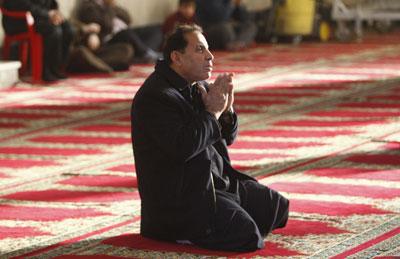

With the month of Ramadan, many people who fast notice a feeling of psychological comfort and inner peace. Several recent studies have confirmed this, linking fasting to noticeable improvements in mental health, reduced anxiety, and increased overall life satisfaction.
Researchers believe that these benefits are not limited to fasting itself, but also include the spiritual and social atmosphere associated with the holy month. Congregational prayers, sharing iftar and suhoor with family and community, increased spiritual practices, and reduced feelings of loneliness all contribute to enhancing inner tranquility.
A study that reviewed 20 studies conducted in 14 countries with more than 3,000 participants showed a decrease in depression rates in 72.7% of the studies, a reduction in anxiety in 66.6%, and an improvement in psychological well-being among 71.4% of participants. Hospital admissions were also observed to decline during the holy month before rising again afterward.
Fasting also acts as a tool for strengthening self-discipline and emotional resilience. Many people succeed in abstaining from habits such as smoking during fasting hours and develop a greater ability to cope with daily psychological stress.
For more details and the latest news, follow Masr Connect