Root Canal Treatment in Mohandessin | Dr. Noha Mahmoud
Learn about the causes of root canal treatment, symptoms of infected tooth pulp, the steps of root canal therapy, and what to expect after treatment.
By: Dr. Noha Mahmoud
Root Canal Treatment: When Do You Need a Root Canal? | Dr. Noha Mahmoud
Tooth pain may start as a minor discomfort and then become more noticeable when eating or drinking hot or cold foods or when chewing. In some cases, the problem occurs when decay or damage reaches the inner tissues of the tooth. At this point, root canal treatment may be recommended to treat the problem and preserve the natural tooth. If you are experiencing persistent tooth pain or severe sensitivity, you can contact Dr. Noha Mahmoud for appointments and consultations at 01092989975.
📍 Address: 45 Lebanon Street – Mohandessin – Cairo – Egypt
🕒 Working hours: Saturday to Thursday, from 4 PM to 10 PM. Friday is closed.
What Is Root Canal Treatment?
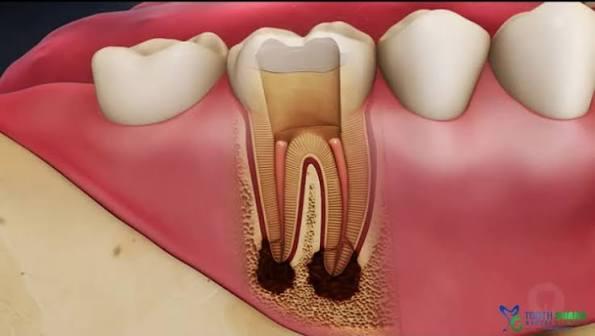
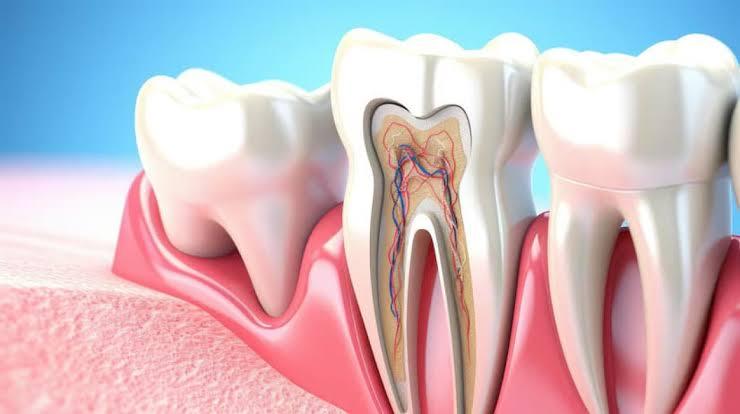
Root canal treatment is a dental procedure used to treat infection or inflammation affecting the inside of a tooth, known as the pulp. The pulp contains nerves, blood vessels, and other tissues located inside the tooth.
When bacteria reach this area because of deep tooth decay, a crack, or other damage, infection or inflammation may develop. Root canal treatment aims to remove the infected tissue, clean the root canals inside the tooth, and then fill and seal them to help prevent reinfection.
When Does a Tooth Need Root Canal Treatment?
Not every toothache requires a root canal. The first step is to examine the tooth and identify the actual cause of the pain.
Root canal treatment may be recommended when there is:
- Deep tooth decay reaching the pulp.
- Infection or inflammation inside the tooth.
- A cracked or broken tooth affecting the pulp.
- A dental abscess associated with the tooth.
- Persistent or recurring tooth pain.
- Pain when chewing or applying pressure to the tooth.
- Lingering sensitivity to hot or cold temperatures.
The need for root canal treatment is determined after a dental examination. The dentist may also use X-rays and other tests to assess the condition of the tooth.
What Are the Symptoms of an Infected Tooth Pulp?
Symptoms can vary from one person to another, and some cases involving the tooth pulp may not initially cause obvious symptoms.
Signs that require a dental evaluation may include:
- Persistent or recurring tooth pain.
- Pain that becomes worse when chewing or touching the tooth.
- Severe or lingering sensitivity to hot or cold.
- Swelling or tenderness in the gum around the tooth.
- A pimple-like swelling or boil on the gum.
- Darkening of the tooth in some cases.
- Pain that spreads toward the jaw or surrounding teeth.
These symptoms do not necessarily mean that root canal treatment is required. A proper dental examination is needed to identify the cause.
How Is Root Canal Treatment Performed?
Treatment usually begins with local anesthesia to numb the area around the affected tooth. The dentist then creates an opening in the tooth to access the infected inner tissue.
The procedure generally involves:
- Removing the infected tissue from inside the tooth.
- Cleaning and disinfecting the root canals.
- Preparing the canals for filling.
- Filling the canals with an appropriate material.
- Sealing the tooth to help prevent bacteria from entering again.
Depending on the condition and complexity of the tooth, treatment may require more than one appointment. In some cases, the tooth may need a dental crown after root canal treatment to protect it and restore its function, especially when a significant portion of the tooth has been weakened or damaged.
Is Root Canal Treatment Painful?
Root canal treatment is generally performed under local anesthesia, so the patient should not experience significant pain during the procedure, although some pressure may be felt.
Mild soreness or sensitivity can occur after treatment and usually improves gradually. If pain continues or becomes significantly worse, the tooth should be reassessed by a dentist.
Can a Tooth Be Saved Instead of Extracted?
One of the main goals of root canal treatment is to preserve the natural tooth whenever possible.
When the pulp becomes infected, extraction is not necessarily the only option. In many cases, the infected tissue can be removed, the root canals cleaned and filled, and the tooth restored appropriately.
However, whether a tooth can be preserved depends on its condition and the extent of the damage. The dentist determines the most appropriate option after examining the tooth.
What Happens After Root Canal Treatment?
After root canal treatment, some patients may experience temporary sensitivity or discomfort.
It is important to follow the dentist’s instructions and attend any recommended follow-up appointments, particularly when the final restoration of the tooth has not yet been completed.
Patients may also be advised to avoid putting excessive pressure on the treated tooth until the final restoration is completed.
When Should You See a Dentist Quickly?
Persistent tooth pain or swelling should not be ignored because some dental infections can progress if the underlying cause is not treated.
Urgent evaluation is particularly important if there is increasing facial swelling, difficulty swallowing or breathing, or fever, as these may indicate an infection that requires prompt medical attention.
Maintaining Your Teeth After Root Canal Treatment
Root canal treatment addresses the problem inside the tooth, but maintaining good oral health afterward also depends on daily care and regular dental checkups.
Helpful habits include:
- Brushing your teeth regularly.
- Using dental floss or an appropriate interdental cleaning method.
- Maintaining healthy gums.
- Having regular dental examinations.
- Treating tooth decay and other dental problems at an early stage.
Root Canal Treatment in Mohandessin with Dr. Noha Mahmoud
If you are experiencing persistent tooth pain, severe sensitivity, or pain while chewing, a dental examination is important to determine the cause before choosing the appropriate treatment.
You can contact Dr. Noha Mahmoud for appointments and consultations at her clinic at 45 Lebanon Street – Mohandessin – Cairo – Egypt.
📞 Appointments and consultations: 01092989975
🕒 Working hours: Saturday to Thursday, from 4 PM to 10 PM
🚫 Friday: Closed
Conclusion
Root canal treatment is a procedure designed to treat infection or inflammation inside a tooth and preserve the natural tooth when its condition allows. The decision to perform a root canal depends on a proper examination and assessment of the tooth rather than pain alone.
If you experience recurring pain, lingering sensitivity, or swelling around the gums, an early dental examination can help identify the cause and determine the most appropriate treatment.
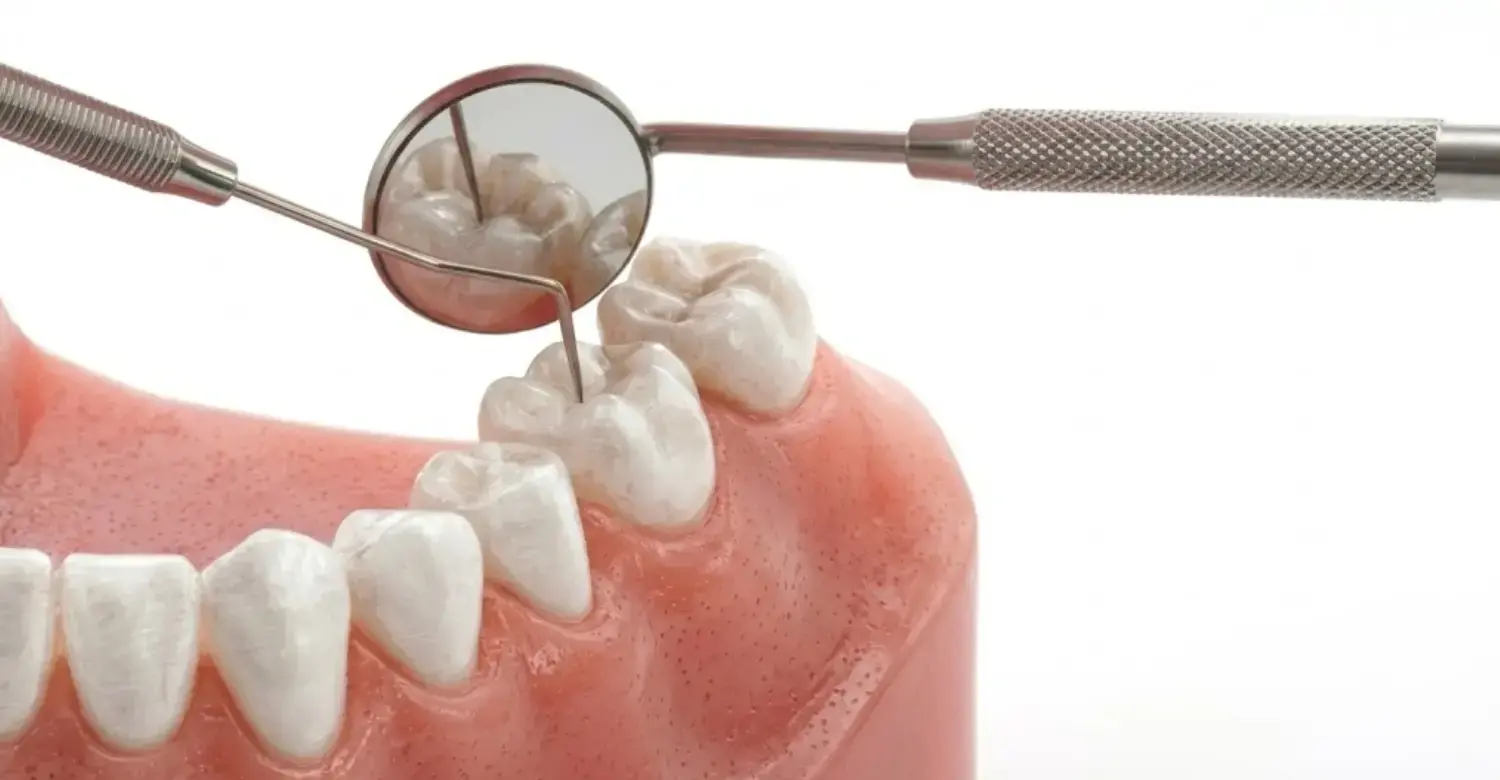
Full mouth rehabilitation is a comprehensive approach to treating dental and gum problems and restoring oral function and the overall appearance of the smile according to each patient's needs.
Learn about the diagnosis and follow-up of blood lipid disorders, high cholesterol, and high triglycerides with Dr. Youssef Abdel Moneim in Belqais.
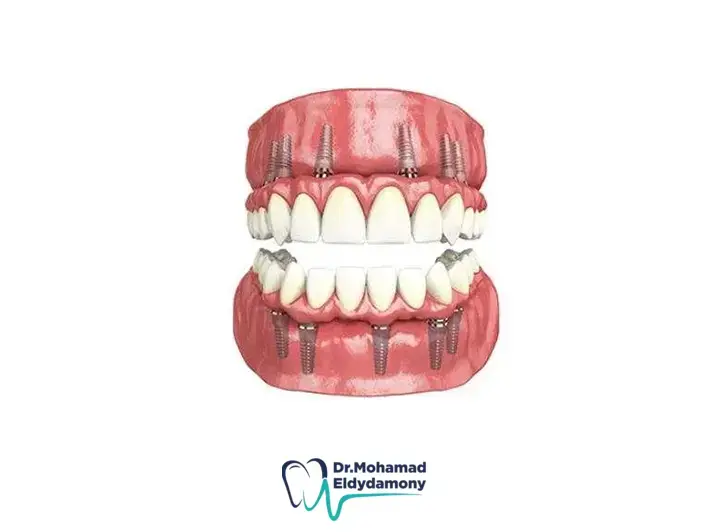
Full-jaw dental implants can provide a stable solution for replacing multiple or missing teeth. Learn about the procedure, bone grafting, healing, and treatment planning at Damas Dental Clinic.

Learn about oral and dental surgery, when surgical treatment may be needed, common conditions that may require surgery, and how to prepare for recovery.
