Scientists Discover Hopeful Path to Reverse Kidney Damage
A new study reveals a method to reverse acute kidney damage in mice, paving the way for potential future treatments for millions of patients worldwide.
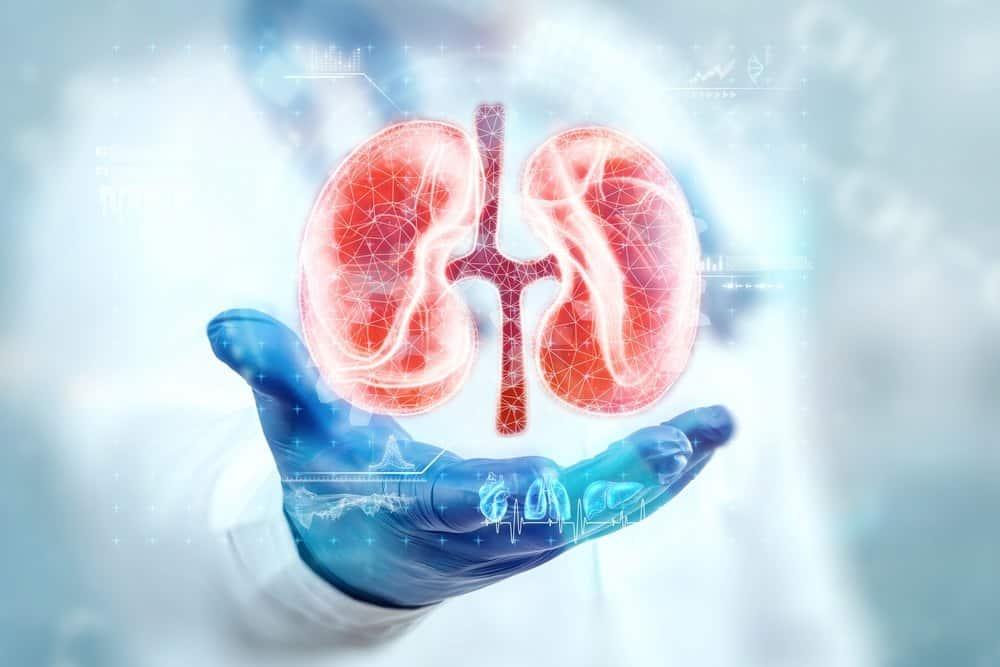

Researchers at the University of Utah Health in the U.S. have identified a mechanism that may reverse severe kidney damage, though experiments have so far been limited to mice.
The kidneys, often called the silent workhorse of the body, filter blood, balance fluids and electrolytes, and regulate biochemical processes. Kidney damage often develops quietly, making this recent discovery a promising breakthrough for chronic kidney disease treatment.
Key Findings:
The study highlighted the role of harmful ceramides, molecules that disrupt mitochondria and accelerate kidney cell damage.
Main Experiment:
-
Genetically blocking ceramide production created “super mice” resistant to kidney damage even under extreme conditions.
-
A new experimental drug mimicking the genetic modification kept kidney function normal, preserved organ structure, and allowed mice to remain fully active without signs of damage.
Next Steps:
While results are promising, the drug is still in preclinical stages. Human trials have not yet begun, and developing an actual therapy may take several years.
Medical Implications:
Targeting ceramides and improving mitochondrial health may also benefit other widespread conditions such as fatty liver disease, diabetes, and heart failure, offering hope to millions globally.

Panic attacks are among the most common psychological disorders that cause sudden and intense feelings of fear or anxiety. They may occur without an obvious reason. Although they can feel frightening, they are not dangerous in themselves and can be understood and managed properly.

Many people tend to ignore psychological problems or consider them a normal part of daily life stress. However, in some cases, these symptoms may indicate the need to consult a mental health professional. Understanding when you need a psychiatrist helps in early intervention and improving overall mental well-being.
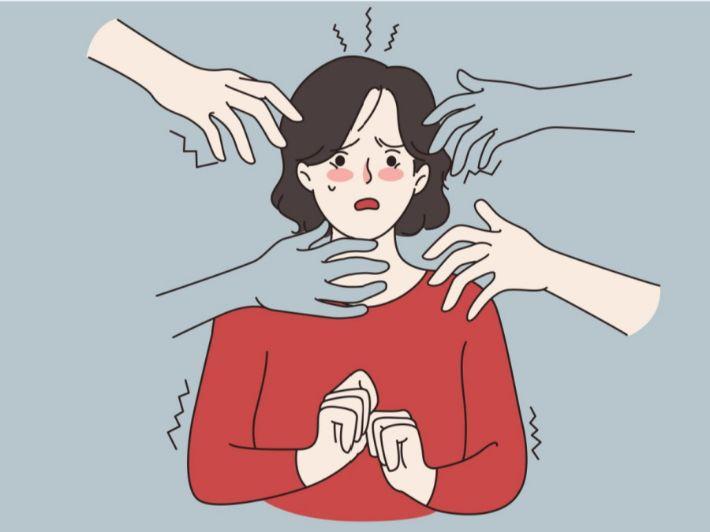
The terms anxiety and stress are often used interchangeably in daily life, but in reality, there are clear differences between them in terms of causes and their impact on a person. Understanding this difference helps in dealing with each condition more effectively.

Depression is one of the most common mental health disorders in modern times. It is not just temporary sadness, but a condition that affects thoughts, emotions, behavior, and physical health as well. Understanding depression symptoms helps in early recognition and seeking help when needed.
